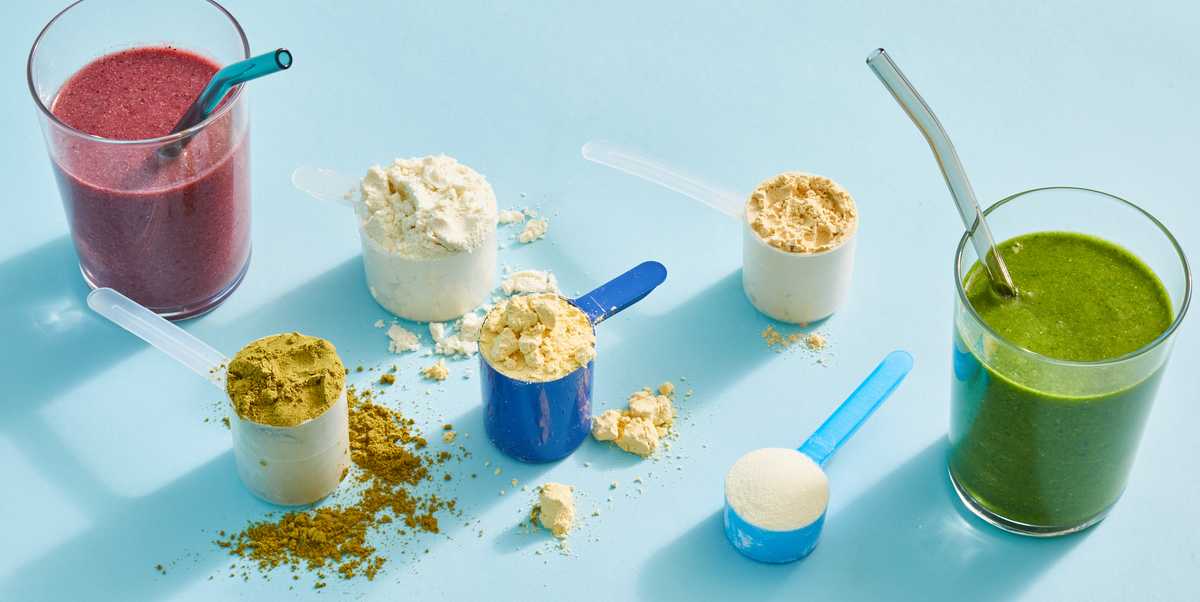
Since protein powders are classified as dietary supplements, they’re not reviewed or approved by the FDA before hitting store shelves. That means product quality can vary, and some formulas may contain unnecessary additives or make exaggerated health claims. Our dietitians recommend using supplements to help fill nutritional gaps, not replace whole foods in your diet. Here’s what to keep in mind when choosing a protein powder:
✔️ Protein source: Decide whether you prefer an animal-based protein like whey or casein, or a plant-based option such as pea, hemp, or soy. Different sources vary in amino acid profile, digestibility, and suitability for dietary restrictions.
✔️ Flavor: Don’t force down gritty and chalky protein powder. Look for powders that mix smoothly and have a flavor you actually enjoy. Unflavored varieties are also versatile and can be easily added to smoothies, oatmeal, yogurt, or baked goods.
✔️ Serving size: Scoop sizes can vary widely between brands. Check the serving size and grams of protein per scoop to understand exactly how much protein you’re getting.
✔️ Sodium: Some protein powders (especially flavored varieties) can contain surprisingly high amounts of sodium. This may be beneficial for endurance athletes, but it’s worth monitoring if you’re watching your sodium intake.
✔️ Calories and added sugars: Extra sugars, fats, and flavorings can increase the calorie count. If you’re aiming for a leaner option, look for powders with minimal added sugar and roughly 20 grams of protein per serving without excessive calories.