In the latest trend report by Afterpay, the flexible payment company explores the upcoming shopping trends for the spring and summer season and how Generation Z and Millennials are shaping their purchases through cultural identity. The first-party Afterpay data analyzed was from U.S. consumers from Jan. 1 until Feb. 13 in comparison to the same time period in 2025.
The report also noted that culture and identity are playing a bigger role in consumer behavior and purchasing decisions than ever before — demographics are no longer the primary defining and differentiating factor.
Moreover, Afterpay said that shopping has been a way for consumers to show their self-expression, signal their values and belong — with consumers investing in “identity, community and meaning.” They also found that retail is not as much about predicting purchases as it is about understanding who the consumers are themselves and what they’re trying to be.
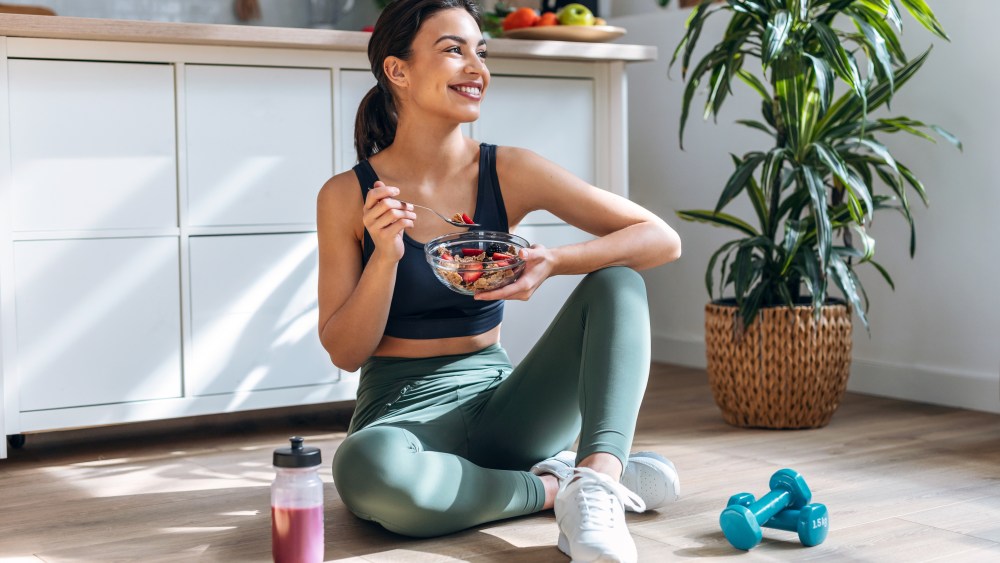
One notable consumer archetype identified is “The Wellness Junkie.” Some standout increase in purchases of products include under-eye patches (increase by 417 percent), magnesium supplements (increase by 417 percent), skin care wand (increase by 403 percent), creatine (increase by 383 percent), health care supplements (increase by 319 percent), iron supplements (increase by 319 percent) and infrared sauna blankets (increase by 204 percent).
The report noted that self care has become a version of systematic optimization — with investment in purchases helping these shoppers feel “sharper, stronger and more in control.” Wellness anxiety is starting younger than ever; Gen Z is embracing supplements and skin care as part of their routines and Millennials are doubling down on the biohacking movement. The key takeaway from this data is that for brands, products with improvement, performance and prevention for long-term well-being and measurable results continue to strongly resonate with consumers.
Another notable archetype is “The 2016 Nostalgia Seeker.” Major throwback products which have seen an increase in purchases are low-waisted skirts (up 369 percent), holographic luggage (up by 171 percent), polo jumpers (up 172 percent) and creeper sneakers (up by 37 percent).
In line with social media trends of people posting themselves from a decade ago, these shoppers are revisiting the aesthetics and products that evoke a familiar time in the mid-2010s. While Millennials are looking to revisit an era tied to their formative years, Gen Z is reinterpreting it for their own. For brands, Afterpay report authors said that nostalgia remains a powerful force to be refreshed for a new audience with archival designs, retro silhouettes and throwback references reigning supreme.
For “The Main Character,” the maximalist is the better. The most notable products for these consumer archetypes that have seen an uptick in purchases are fur coats (218 percent increase), statement earrings (164 percent increase), teal coats (162 percent increase) and chunky gold necklaces (30 percent increase).
With these shoppers craving visibility, strategic luxury buys are about more than just stockpiling with impact-driving purchases. Confidence and personality are shown through bold silhouettes and standout accessories. Statement pieces and experience-led spending continue to receive a boost with the next generation of consumers looking for products that are expressive and shareable on socials.
“What’s interesting about these trends is how clearly they reflect different emotional needs. The return of 2016 nostalgia reflects a desire for familiarity and shared cultural moments that feel stable and predictable. For many consumers, that period represents a time that felt more optimistic and socially connected, and revisiting it can help reinforce a sense of continuity and belonging. Nostalgia also plays an important psychological role, increasing feelings of connection and even optimism about the future. In that sense, these purchases aren’t just about looking back; they’re a way for consumers to feel more grounded and emotionally secure in the present,” said Shakaila Forbes-Bell, consumer behavior psychologist at Afterpay.