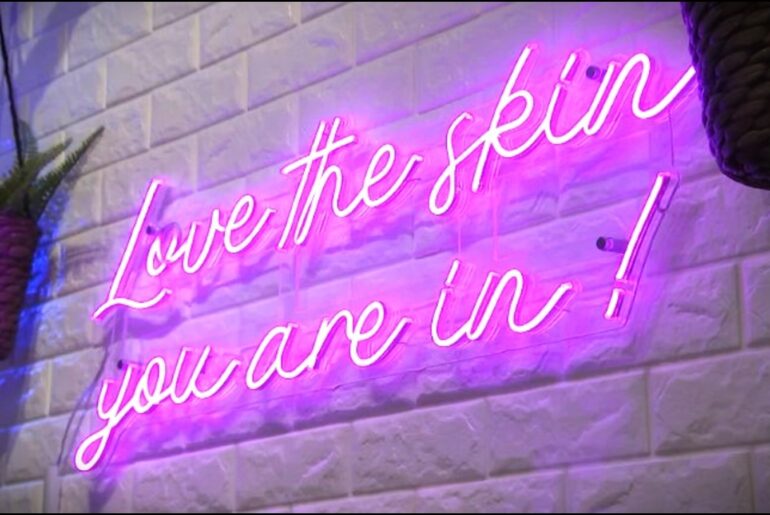

Health and wellness used to feel optional. Something extra. Something for people with more time, more money, more discipline. That’s not the case anymore.
Across the United States, around 84% of consumers now say wellness is a top or important priority in their lives. That number says a lot. This isn’t a niche conversation. It’s mainstream. It’s showing up in grocery carts, bedtime routines, and budgeting decisions. People aren’t just chasing whatever is trending online. They’re asking harder questions, like:
What actually helps?
What feels sustainable?
What fits into a normal Tuesday, not a perfectly planned Sunday reset?
Glossy marketing doesn’t impress the way it used to. Labels get read. Claims get checked. One-size-fits-all promises get side-eyed. Consumers want solutions that make sense in real life, not just on a billboard.
People Are Tired of One-Size-Fits-All Solutions
For years, wellness products felt the same. A pill here. A powder there. All promising life-changing results. The letdown usually came fast because generic fixes don’t touch real frustrations.
Now people want something that fits real life. Personalization isn’t a bonus anymore. It’s expected. Products have to work with packed schedules, long shifts, family chaos, and tight budgets.
For example, Melaleuca: The Wellness Company started small with safer everyday essentials and grew into a brand offering hundreds of products across nutrition, personal care, and household needs. You can check out the range of Melaleuca products online to explore options designed to support healthier choices at home and beyond. That kind of choice feels different. It gives people room to decide what actually works instead of settling for whatever is trending.
The Move Toward Everyday Health Choices
Wellness now lives in the small moments. Not big announcements. Not dramatic resets. Just everyday decisions. Choosing real food over whatever’s fastest. Going to bed earlier instead of scrolling for another hour. Taking five quiet minutes before the house wakes up. That’s what it looks like now.
It’s not just gym memberships or trendy supplements. It’s how people handle stress. How they recover after a draining day. How they treat themselves when nobody’s watching. Apps that track sleep, steps, and mood have quietly become part of the routine. They don’t judge. They just show the numbers. And sometimes those numbers sting. That’s the point. Real feedback beats false reassurance.
Trust Matters More Than Hype
Flashy marketing used to win. Loud claims. Perfect packaging. Big promises. That doesn’t land the same anymore.
People read labels. They Google ingredients. They scroll through reviews before buying anything. Empty buzzwords feel obvious now. If something sounds too polished, it raises eyebrows. Transparency matters. Clear sourcing. Straight answers. Real explanations. If a product can’t explain what it does without fluff, people move on. No drama. Just gone. Trust isn’t automatic anymore. Brands have to earn it, one honest detail at a time.
Technology Is Becoming a Wellness Partner
Phones used to get blamed for everything. Bad sleep. Short attention spans. Zero focus. And honestly, some of that was fair. But now they’re also part of the solution. Sleep scores show up in the morning, whether you’re ready or not. Step counts quietly remind you when the day slipped away. Heart rate spikes don’t hide anymore. The data just sits there. Clear. Unfiltered.
It’s not glamorous. It’s not inspiring. Sometimes it’s annoying. Still, it’s honest. Patterns start to show up. Late nights turn into sluggish mornings. Stress builds before big deadlines. Movement drops during chaotic weeks. Seeing it laid out removes the guessing. That clarity matters. Technology won’t magically create discipline. It won’t replace common sense. But it helps people see what’s actually happening instead of what they assume is happening.
Mental Health Gets Equal Time
Wellness used to revolve around the physical. Calories tracked. Workouts logged. Steps counted. The visible stuff. Now the invisible stuff gets attention too.
Stress. Burnout. Anxiety. Emotional fatigue. Those aren’t side notes anymore. They’re central. People are saying out loud what they used to push down. Long workdays leave people drained. Notifications never really stop. The pressure to stay productive lingers even at night. Pretending that doesn’t affect health doesn’t make sense anymore.
Wellness isn’t just about how someone looks. It’s about how they feel when the house gets quiet. Clear-headed or wired. Rested or restless. Steady or overwhelmed.
Budget Realities Are Shaping Decisions
Let’s be real. Wellness can get expensive fast. Organic groceries, supplements, fitness subscriptions, mental health apps. It adds up. Consumers know this, and they’re thinking carefully before they spend.
People are asking harder questions now, like:
Is this actually worth it?
Does it fit into everyday life?
Will it make a real difference?
If the answer feels shaky, wallets stay closed.
Value has taken priority over hype. Shoppers are choosing products that feel practical and sustainable long-term. Small, steady improvements matter more than flashy purchases that fade after a month. That shift toward mindful spending is pushing brands to deliver substance instead of surface appeal.
Community and Shared Experience Change the Game
Wellness used to feel quiet. Personal. Almost secret. Sometimes even competitive. That energy has shifted. Now people talk. In group chats. In comment sections. In late-night forum threads where honesty shows up without filters. They compare notes. They admit what’s working and what’s falling apart.
Reviews carry more weight than glossy campaigns. Real stories hit harder than celebrity endorsements. When someone shares what actually helped them sleep better or feel less overwhelmed, it sticks. It feels believable.
There’s comfort in realizing the struggle isn’t unique. Missed workouts. Confusing food advice. Nights spent staring at the ceiling. That shared reality takes the edge off. It reminds people they’re not failing. They’re human.
Health and wellness aren’t passing trends anymore. Consumers are reshaping the space in real time because settling for empty promises doesn’t cut it anymore. Personalization matters. Transparency matters. Price matters. Mental and physical support both matter.
The shift feels grounded. Imperfect. A little messy at times. Still real.
People aren’t chasing every headline that pops up on a feed. They’re building habits that make sense for their actual lives. They question what sounds off. They invest in what feels steady and honest.
That’s the transformation.
Not louder ads. Not prettier packaging. Just everyday people deciding they deserve better and refusing to settle for less.