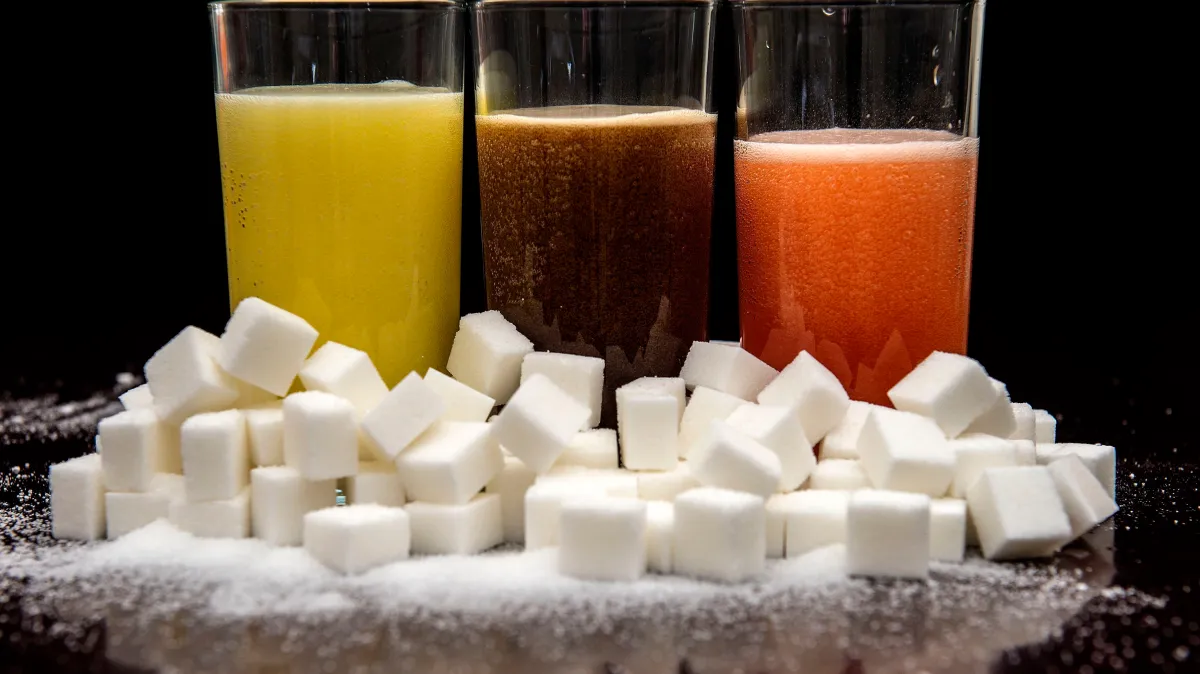
An expansion of the sugar tax will hit more than one in ten drinks on the market but have a “tiny effect” on people’s sugar intake, according to a report.
It was announced in the November budget that the sugar content targeted by the levy would be changed from 5g per 100ml to 4.5g from January 2028.
The exemption for milk-based drinks, such as packaged milkshakes and lattes, will also end in a combined move that will raise up to £45 million a year.
Research by the Institute for Fiscal Studies (IFS) found that the reforms will bring an extra 12 per cent of soft drink litres sold into the scope of the levy. Despite this, the effects of the changes on sugar consumption will be “extremely small”, it said.
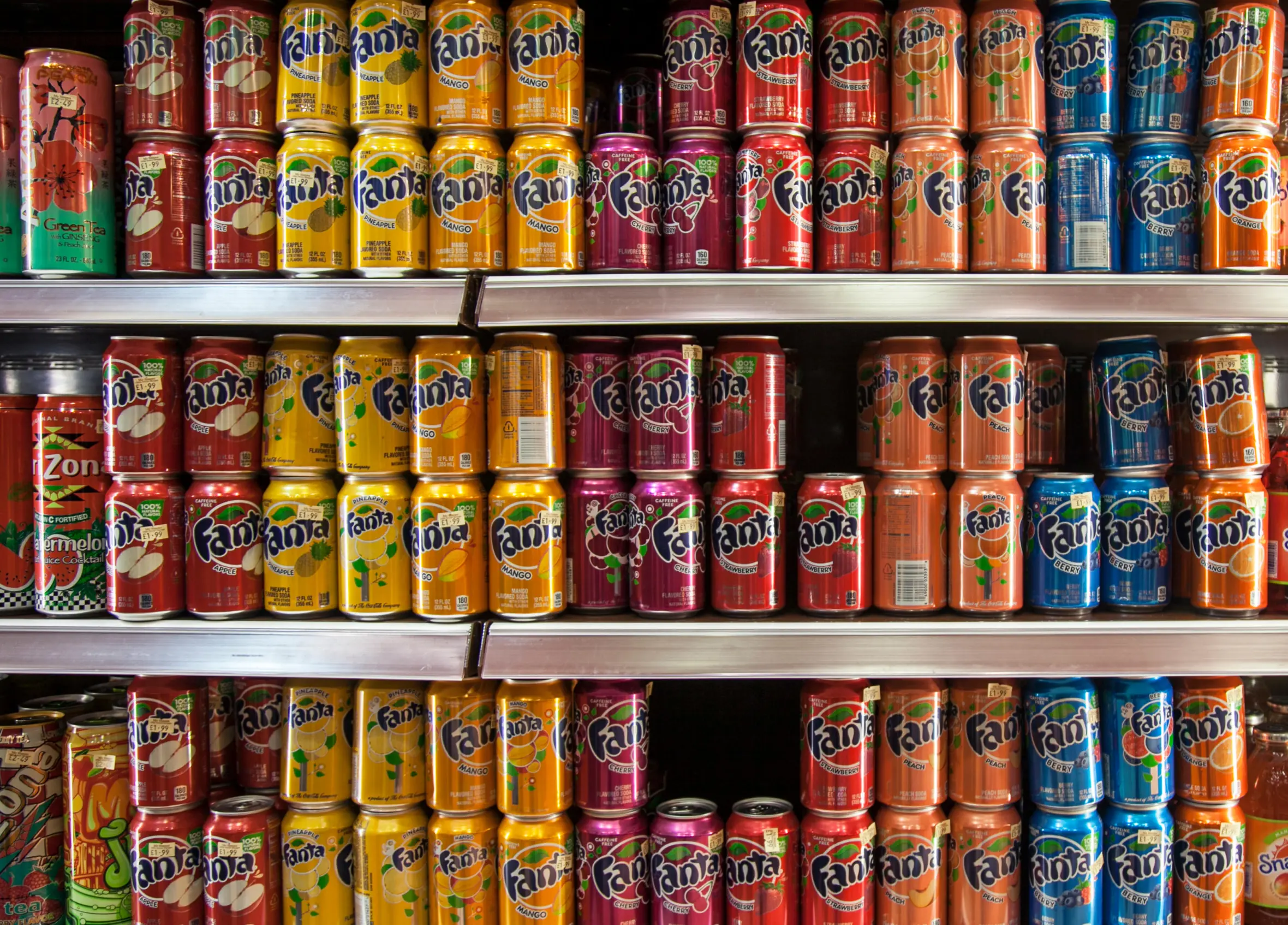 Many soft drinks were reformulated to fall just below the 2018 thresholdAlamy
Its assessment predicts that the reforms will reduce average per person calorie intake by 0.3 kcal per day, which equates to less than one 5,000th of the recommended daily intake for adults.
The original sugar tax, introduced in April 2018, cut average per person calories by about 18 kcal per day.
The IFS said that the lower reduction in calorie intake reflected the “lower baseline sugar consumption from soft drinks compared with 2018, a smaller share of the market being brought into scope, and smaller expected reductions in sugar per product”.
In total the expanded remit of the levy will cost the average household less than 2p per week.
Martin Brogaard, a research economist and co-author of the report, said that the reforms were “best thought of as small tweaks to the existing system rather than a significant step in tackling obesity”.
The report also said that the reforms failed to fix anomalies that mean some of the most sugary drinks are taxed less per gram than lower-sugar alternatives.
Gautam Vyas, who also co-authored the report, said: “A well-designed tax on soft drinks can be an effective way to improve diets, but the soft drinks industry levy gets the targeting backwards.
“Among in-scope products, sugar is taxed most lightly in the drinks that contain the most of it. The recent changes do nothing to fix this design flaw. A levy that taxed the most sugary drinks more heavily would be better aligned with the harms it is intended to address and would do more to reduce sugar intake among the households who consume the most of it.”
Drinks manufacturers were highly responsive to the original soft drinks levy and many reformulated their drinks to sit just below the 5g per 100ml taxable threshold.
Before the introduction of the levy, just 2 per cent of soft drinks sold had 4.5–5 g of sugar per 100 ml. This has risen to 8 per cent of the market. The changes will bring these drinks into scope of the tax.
A government spokesman said: “An unhealthy start holds children back from day one, especially in poorer families. We’re determined to raise the healthiest generation yet by tackling the biggest drivers of ill health.
“The soft drinks industry levy is a proven success — the budget announcement builds on that by cutting 17 million calories a day and delivering around £1 billion in health and economic benefits.”