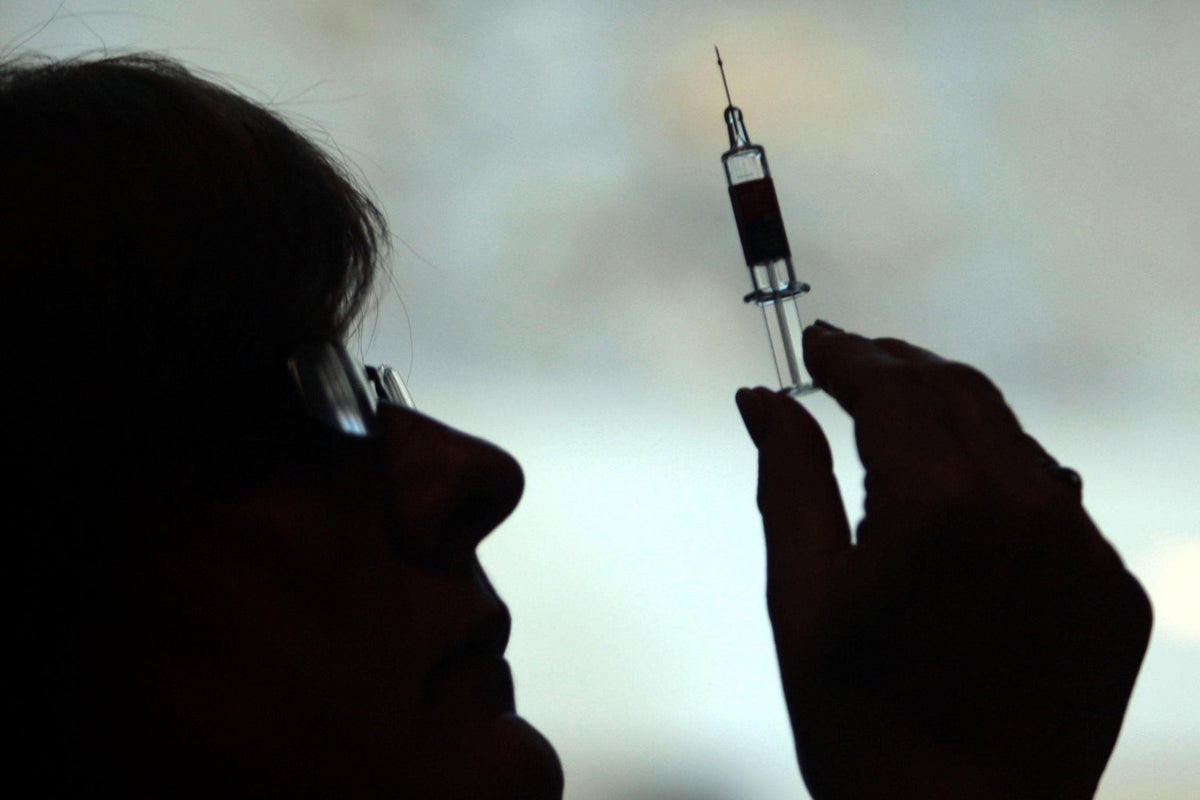
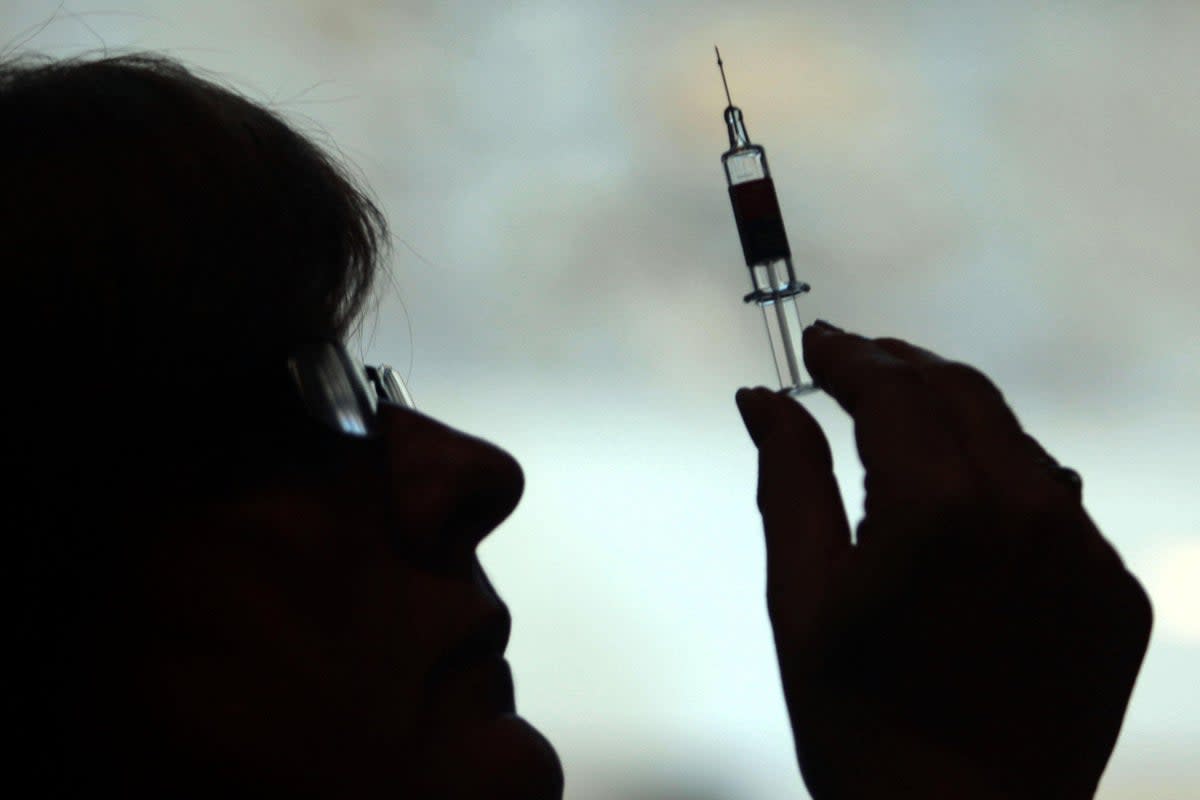
Researchers also found existing Covid-19 vaccines could help slow or stop the spread of a new coronavirus (PA Archive)
Global immunity developed against Covid-19 could significantly reduce the risk of future coronavirus pandemics by offering protection against other SARS-type viruses, scientists have revealed. Researchers from the MRC-University of Glasgow Centre for Virus Research (CVR) conducted a study combining patient antibody data with mathematical modelling to assess population-wide immunity levels against this family of viruses.
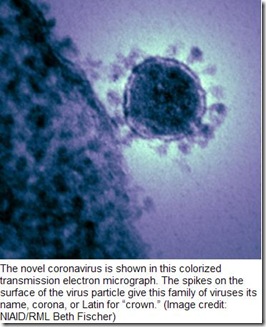
Their findings indicate that beyond robust immunity to SARS-CoV-2, the virus responsible for the recent pandemic, the population also possesses protection against a broader group known as “sarbecoviruses,” to which SARS-CoV-2 belongs.
The team suggested that this existing Covid-19 immunity, whether acquired through prior infection or vaccination, could establish a “biological barrier” even against sarbecoviruses yet to be discovered. This widespread immunity, they believe, may prove crucial in slowing or entirely preventing a future pandemic caused by a previously unknown sarbecovirus.
Pablo Murcia, professor of integrative virology from the CVR, said: “Our global experience with Covid-19 has generated a biological barrier to other coronaviruses.
“While this does not mean we are immune to all future threats, infection and vaccine-derived immunity to SARS-CoV-2 has made it much harder for other sarbecoviruses to start the next pandemic.
“Our study shows the circulation of SARS-CoV-2 in the general population, alongside global vaccination campaigns, generated widespread immunity against related sarbecoviruses, creating an ‘immunity shield’ against the emergence of a novel sarbecovirus in humans.”
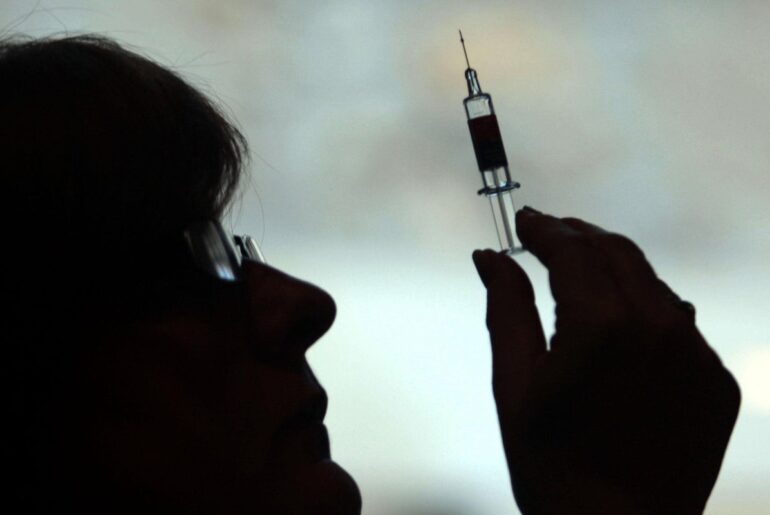
The team also found existing Covid-19 vaccines could help slow or stop the spread of any potential new sarbecovirus, dubbed “SARS-CoV-X”.

Researchers said Covid-19 could provide a ‘biological barrier’ against an as-yet-undiscovered sarbecovirus
Brian Willett, professor of viral immunology at the CVR, said: “Our results suggest that our current vaccines might be effective against the emergence of a new coronavirus.
“Our mathematical models strongly suggest that the use of existing Covid-19 vaccines against any new and emerging sarbecoviruses reduced the chance of sustained transmission.
“We found that current vaccines would be most beneficial if implemented soon after the first SARS-CoV-X case was found.
“By contrast, delays in implementing any preventative vaccination would likely reduce its effectiveness.”
The study, Post-pandemic changes in population immunity have reduced the likelihood of emergence of zoonotic coronaviruses, is published in the journal Nature Communications.
The work was funded by the UKRI Medical Research Council (MRC), and the UKRI Biotechnology and Biological Sciences Research Council (BBSRC).