Western medicine has made significant strides in understanding factors that can contribute to neurodegenerative decline, such as with Alzheimer’s, Parkinson’s, and types of dementia. Taking a different angle on the science, a group of life sciences researchers in China assessed research on three herbs and supplements used in traditional Chinese medicine (TCM). While the takeaways aren’t definitive, they may show greater evidence with future research.
The team focused on “pathophysiological mechanisms underlying cognitive impairment and mood disorders”—in other words, conditions that lead to cognitive decline and mood disorders, like depression. They note these can be influenced by processes like immune response, inflammation it causes, the brain’s neural pathways, and hormone signaling.
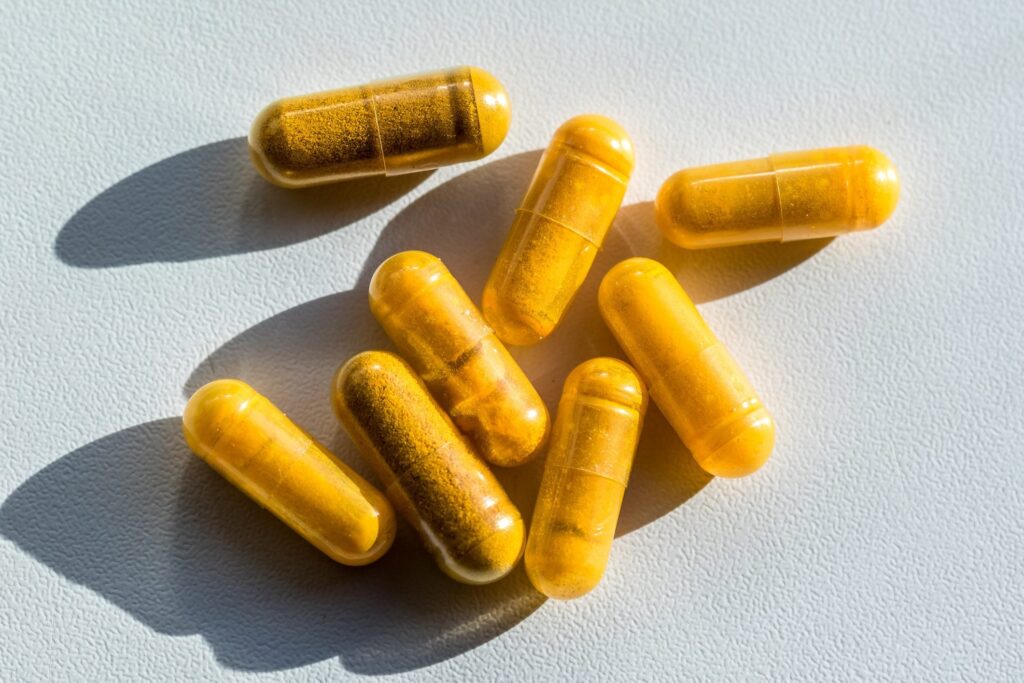
As possible interventions, they studied curcumin—a compound in turmeric that’s already widely recognized in the U.S. for its anti-inflammatory effects—along with ginsenosides, the active ingredient in ginseng, and baicalin, which is referred to in traditional Chinese medicine as skullcap.
Publishing their findings in the May 2026 edition of the Pakistan Journal of Pharmaceutical Sciences (via the United States PubMed database), the team suggests such “bioactive compounds have significant research value in this field” and conclude: “TCM-derived compounds exert multifaceted neuroprotective and psychotropic effects.”
They’re clear to say that “successful clinical translation”—meaning, any future real-world application—requires continued research to establish clear guidelines on such variables as dosage, safety, and “bioavailability”—that is, formulations that essentially allow the body to absorb the ingredients.
So this doesn’t mean you should immediately find the nearest acupuncturist to see if they’ll sell you a bottle of skullcap. That said, there could be a world in which Eastern and Western medicine can complement each other. The Cleveland Clinic provides an in-house massage therapist for some cancer patients undergoing treatment, and acupuncture has been shown to support reproductive medicine cases, as well as obesity and many other conditions. These are just a few examples of how medicine and wellness modalities can work together.
And, if you already take a supplement like turmeric or curcumin, seek out products that specifically speak to their bioavailability. A few of Qunol’s turmeric supplements include black pepper extract, which is one example of how formulations can be developed to enhance your body’s ability to soak the benefits in.
Never start a new medication without speaking to a credentialed or licensed healthcare provider.
For your daily dose of wellness wisdom, get The Healthy newsletter and follow The Healthy on Facebook and Instagram. Keep reading: