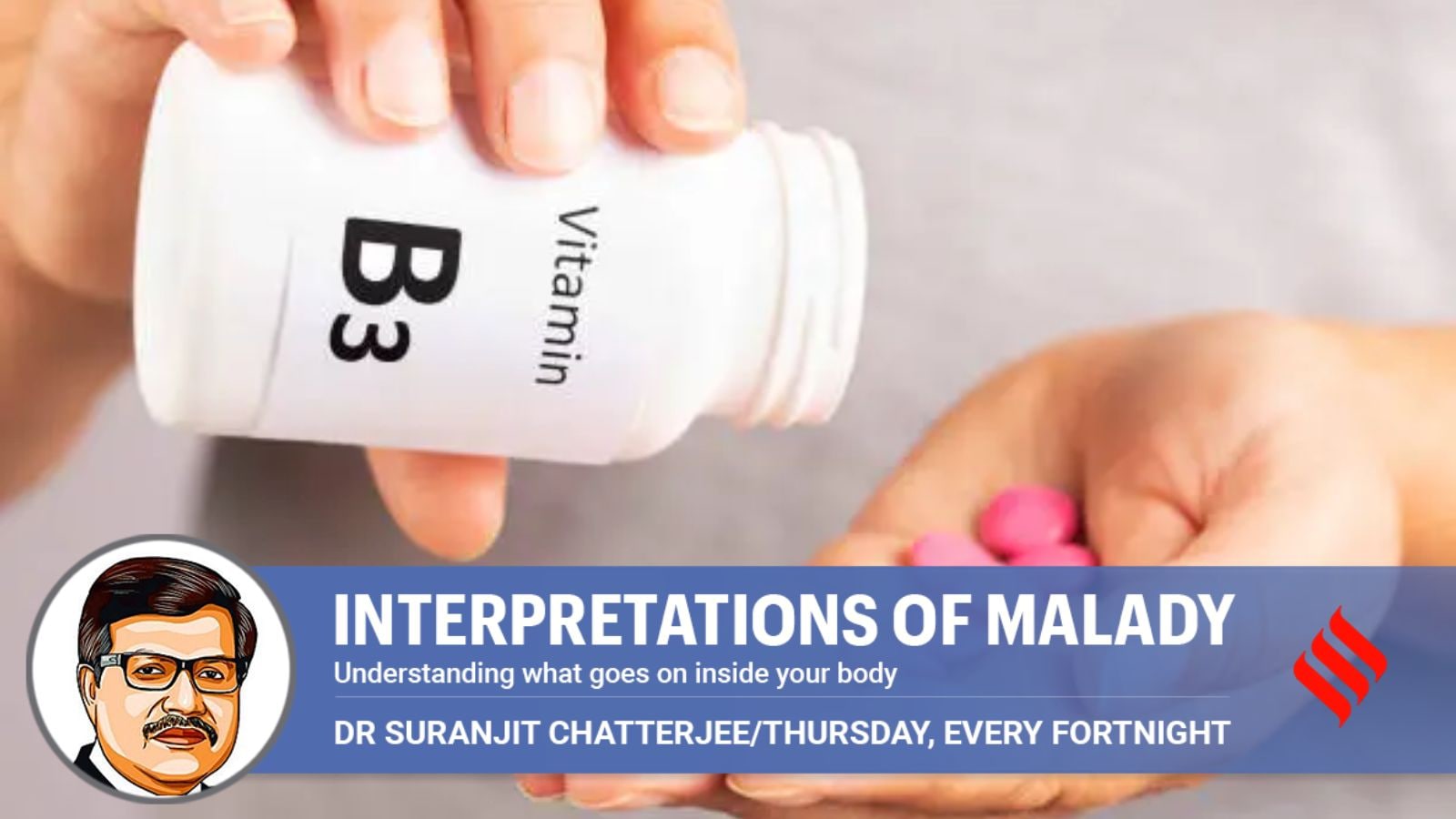
A 42-year-old man began self-administering high-dose niacin or Vitamin B3 supplement because he had been reading on social media that it improves cholesterol and boosts longevity. After two weeks, he developed severe flushing, itching, nausea and abdominal pain. He came to the hospital with extreme fatigue. Tests revealed his liver enzymes and blood glucose were elevated. He didn’t know that in excess amounts, niacin can lead to liver injury and higher blood sugar.
In recent years, niacin — also known as vitamin B3—has re-entered the spotlight, this time not just as a basic nutrient but as a potential “anti-ageing” supplement. Longevity enthusiasts increasingly promote niacin and its derivatives as tools to slow ageing and extend lifespan.
What is niacin or vitamin B3?

Niacin is an essential water-soluble vitamin that your body needs to function properly. It plays a crucial role in converting food into energy and maintaining healthy skin, nerves and digestion. More importantly, it is a precursor to a molecule called NAD⁺ (nicotinamide adenine dinucleotide), which is found in every cell of the body. Now NAD⁺ is vital for cellular processes like energy production, DNA repair and regulating stress responses. As we age, NAD⁺ levels naturally decline, and this decline has been linked to various age-related conditions.
The longevity link: What does science say?
The theory is simple: if NAD⁺ levels drop with age, boosting them through vitamin B3 supplements might slow ageing. Laboratory and animal studies have shown promising results—improvements in metabolism, cellular repair and even lifespan in some models.
However, human evidence tells a more cautious story.
While supplements can increase NAD⁺ levels in the body, there is no strong clinical proof that they slow ageing or extend lifespan in humans. These supplements may support metabolic health, but they are not a “magic pill” for longevity. Ageing is a complex process influenced by genetics, lifestyle and environment — not just one molecule.
Potential benefits beyond longevity
Even if the anti-ageing claims are overstated, niacin still has legitimate health roles. It helps cells produce energy efficiently. Niacinamide (a form of B3) is widely used in dermatology for improving skin barrier function and reducing inflammation. It supports DNA and cell repair and oxidative stress response. It prevents pellagra, a serious disease caused by lack of vitamin B3.
So, niacin is undoubtedly important, but that doesn’t automatically make high-dose supplementation beneficial.
Story continues below this ad
Are there risks to taking niacin supplements?
Yes, especially when taken in excess. High doses of niacin supplements (far beyond daily requirements) can lead to side effects such as skin flushing and itching, liver toxicity, gastrointestinal issues and increased blood sugar levels.
Some recent research has also raised concerns about a possible link between excess niacin and cardiovascular risk due to inflammation-related compounds formed in the body. More is not always better.
Although niacin is water-soluble and you expect the excess to be flushed out through the urine, large amounts of niacin are processed by the liver before elimination. When intake is very high, the liver gets overloaded and toxic intermediates can build up. This is why high-dose niacin can lead to liver injury. Typical dietary needs are about 14–16 mg/day, but supplements used for cholesterol may contain 500–3,000 mg. At these levels, the body treats niacin more like a drug than a normal vitamin.
Do you actually need niacin supplements?
For most people, the answer is no. Niacin deficiency is rare today because it is easily obtained through a regular, balanced diet. Common sources include whole grains, peanuts, meat and fish and dairy products.
Story continues below this ad
Supplementation may be necessary only in specific situations, such as diagnosed deficiency, certain medical conditions, or under medical supervision for cholesterol management. Instead of relying on supplements alone, real longevity comes from a combination of a balanced diet, good sleep and regular exercise. Niacin can support these processes, but it cannot replace them. Think of vitamin B3 as a supporting player in healthy ageing, not the star of the show.
(Dr Chatterjee is senior consultant, internal medicine, Indraprastha Apollo Hospital, New Delhi)