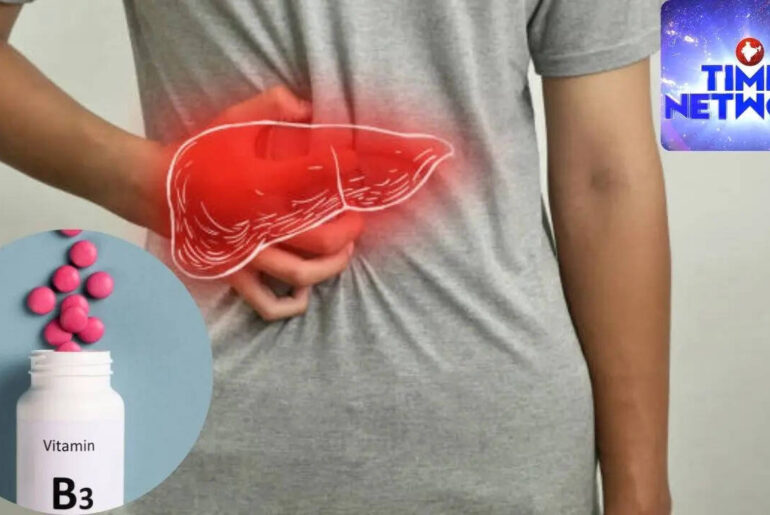
Fatty liver disease, both alcoholic and non-alcoholic, has become increasingly prevalent in recent years, largely due to changes in lifestyle and dietary habits. It occurs when excess fat builds up in the liver cells. While fatty liver disease may seem harmless in the early stages, if it progresses, it can lead to severe liver conditions, including inflammation, fibrosis, or even cirrhosis. However, healthy diet and lifestyle changes can help manage the condition effectively. A study published in the journal Metabolism shows that a common, inexpensive vitamin- vitamin B3 (niacin) could be a powerful tool in stopping and even reversing liver damage.
The study describes a scientific breakthrough in treating fatty liver disease using vitamin B3. Scientists have identified a specific molecular switch in the human body that triggers the accumulation of fat in the liver. When this switch, called miR-93, is too active, the liver gets sick, inflamed, and scarred. The major finding reveals that vitamin B3 (niacin) can effectively turn off this harmful switch.
Understanding miR-93Researchers have discovered that a tiny molecule, known as microRNA-93 (miR-93), is the primary driver of fatty liver disease. In patients with the disease, levels of this molecule are unusually high.miR-93 causes damage by blocking a good gene called SIRT1. This gene is responsible for cleaning up fat and keeping the liver healthy. When miR-93 blocks SIRT1, the liver begins to store too much fat and develops scars, leading to fibrosis.
After testing 150 different drugs, researchers found that vitamin B3 was the most effective at lowering miR-93 levels.
In animal studies, stopping miR-93 or using Vitamin B3 led to:
Significantly less fat in the liverImproved insulin sensitivity (which helps prevent diabetes)Better overall liver function
Clinical potential:
The research also mentions that since Vitamin B3 is already FDA-approved and used to treat other cholesterol issues, it can be fast-tracked for use in liver patients much more quickly than a brand-new drug.
What causes fatty liver disease?
Fatty liver disease occurs when the liver cannot break down fats as efficiently as it should, leading to an accumulation of fat in liver cells. While the exact mechanism isn’t always clear, it is generally categorised into two main types based on the cause:
Metabolically Associated Fatty Liver Disease (MAFLD/MASLD): This type is primarily caused by metabolic issues rather than alcohol. Common drivers include:
ObesityInsulin resistanceType-2 diabetesHigh blood fatPoor dietary habits, such as heavy sugar consumption
Alcohol-Related Fatty Liver Disease (AFLD): This is caused by excessive alcohol consumption. The liver processes most of the alcohol you drink, but the breakdown process generates harmful substances that damage liver cells and disrupt fat metabolism.
Other potential causes
In some cases, fatty liver can be triggered by other factors, including:
Certain medicationRapid eight lossGeneticsUnderlying health conditions like PCOS, hypothyroidism and infections such as Hepatitis C
Currently, about 30% of people worldwide suffer from some form of fatty liver disease, and there are very few targeted treatments available. This discovery suggests that a simple, existing vitamin could potentially treat a condition that affects billions of people.
Disclaimer: This content including advice provides generic information only. It is in no way a substitute for a qualified medical opinion. Always consult a specialist or your own doctor for more information. NDTV does not claim responsibility for this information.