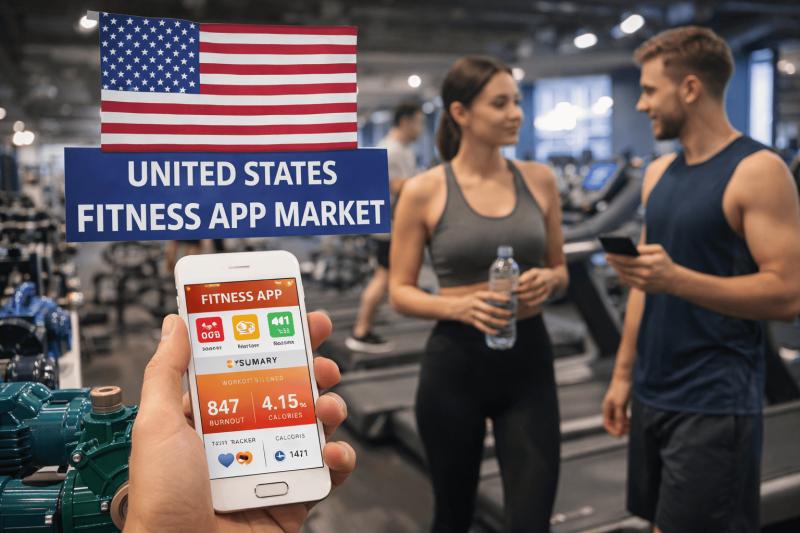
 IMARC Group has recently released a new research study titled “United States Fitness App Market Report by Type (Exercise and Weight Loss, Diet and Nutrition, Activity Tracking, Others), Platform (Android, iOS, Others), Device (Smartphones, Tablets, Wearable Devices), and Region 2026-2034”, which offers a detailed analysis of the market drivers, segmentation, growth opportunities, trends and competitive landscape to understand the current and future market scenarios.
United States Fitness App Market Size, Growth, and Forecast (2026-2034)
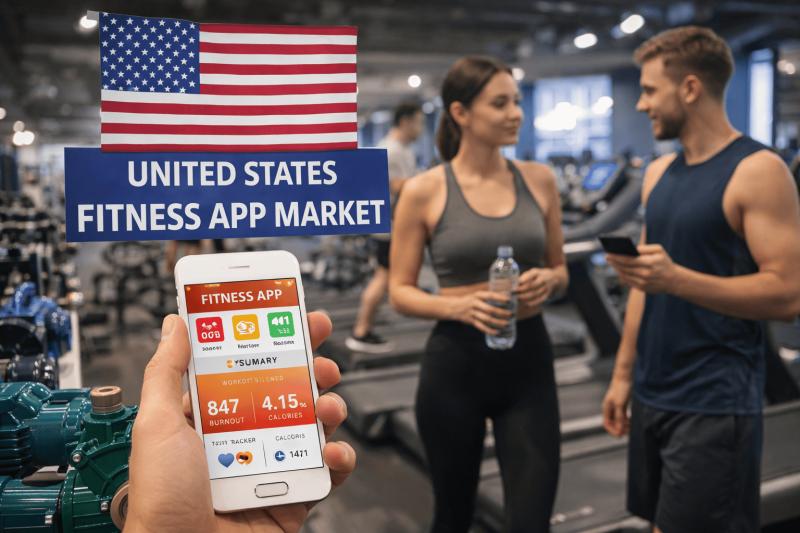
The United States fitness app market is witnessing remarkable growth, reflecting the country’s accelerated adoption of digital health and wellness solutions across all consumer demographics. The market reached USD 652.1 million in 2025 and is projected to expand to USD 2,130.5 million by 2034, registering a robust CAGR of 13.64% during 2026-2034. This surge is driven by heightened health consciousness, rising smartphone and wearable device penetration, and growing demand for personalized digital wellness programs across diverse user segments.
From a B2B perspective, this growth underscores substantial opportunities for app developers, health tech companies, wearable manufacturers, and digital wellness platform providers. Organizations are increasingly investing in fitness app ecosystems that integrate AI-powered coaching, real-time biometric tracking, and subscription-based content delivery to enhance user engagement and retention. The market’s expansion is further supported by a thriving corporate wellness culture, integration with wearable technology, and the broad societal shift toward preventive healthcare across the United States.
Key Market Statistics at a Glance
• Base Year: 2025
• Historical Years: 2020-2025
• Forecast Period: 2026-2034
• Market Size (2025): USD 652.1 Million
• Projected Size (2034): USD 2,130.5 Million
• Growth Rate: CAGR of 13.64%
Explore Growth Opportunities – Grab IMARC Sample Report: https://www.imarcgroup.com/united-states-fitness-app-market/requestsample
Key Trends Shaping the Future of Fitness Apps in 2026
1. Health-Focused Lifestyles – Growing awareness of chronic lifestyle conditions such as obesity, cardiovascular diseases, and diabetes is motivating consumers to adopt digital tools for real-time tracking of exercise, sleep, calorie intake, and overall well-being.
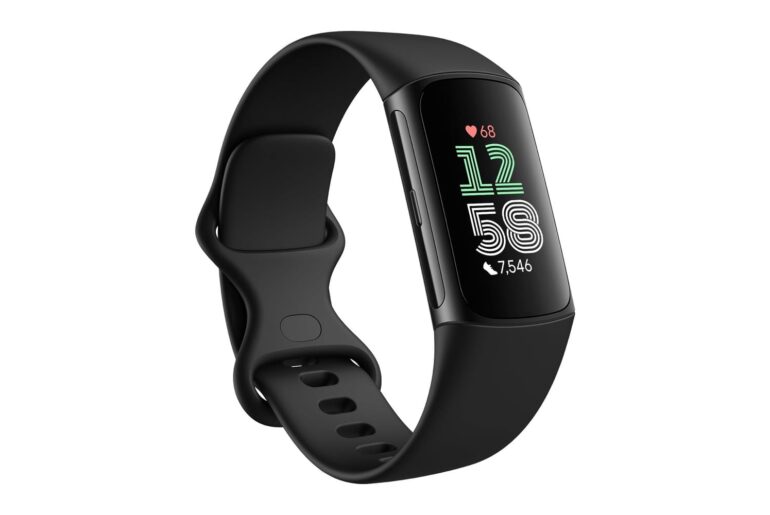
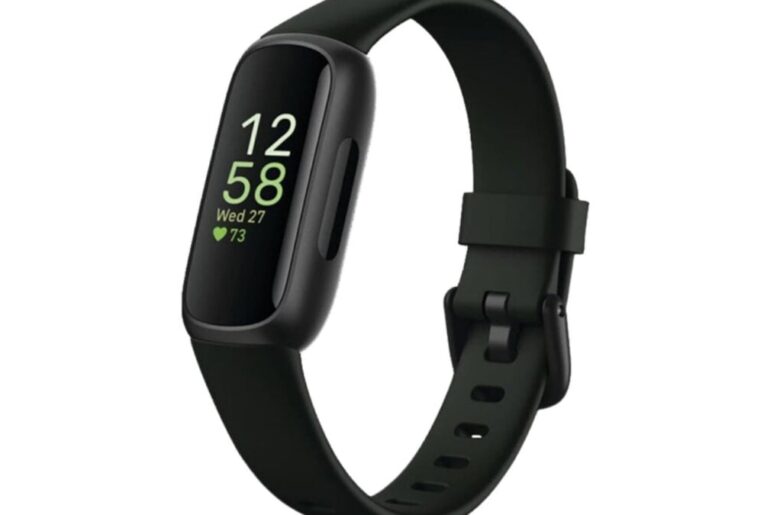
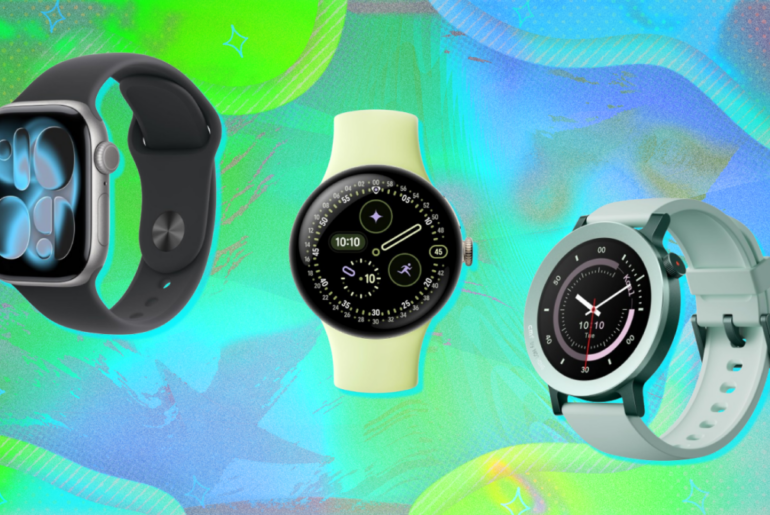
2. Wearable Technology Integration – With fitness tracker user penetration estimated at 21.00% in 2025 and rising to 26.40% by 2029, wearables are becoming deeply embedded in personal health management, seamlessly syncing with fitness apps for continuous biometric monitoring.
3. AI and Personalization – Businesses are leveraging artificial intelligence and machine learning to deliver personalized workout plans, nutrition tracking, and behavioral insights tailored to individual user goals and daily activity patterns.
4. Corporate Wellness Programs – Companies across the U.S. are embracing corporate wellness initiatives that incorporate fitness app subscriptions to improve employee health, reduce healthcare costs, and boost workplace productivity.
5. Social Integration and Subscription Models – Fitness apps are evolving into social platforms where users share milestones, build communities, and benefit from accountability features, while subscription-based revenue models provide developers with predictable, scalable income streams.
6. Home and Virtual Fitness – Sustained demand for home-based workouts, on-demand training modules, and live virtual coaching continues to fuel app adoption, reinforced by integration with smart home devices and cross-platform ecosystems.
These trends highlight the growing complexity of consumer fitness needs, creating opportunities for service providers who can deliver end-to-end, scalable, and highly personalized digital wellness solutions.
United States Fitness App Market: Key Segmentation and Regional Overview
The market is segmented based on type, platform, device, and region.
By Type:
• Exercise and Weight Loss – Apps designed to aid physical training, weight reduction, and strength building through personalized workout plans, virtual coaching, and performance measurement.
• Diet and Nutrition – Applications that help users track calorie intake, plan balanced meals, and build healthier eating habits with features like barcode scanners and food databases.
• Activity Tracking – Apps that monitor steps, sleep, heart rate, and daily activity, integrating with wearable devices to deliver real-time feedback and data-driven motivation.
• Others – Includes meditation, mental health, women’s health, and specialty fitness apps catering to niche user groups with holistic wellness functionalities.
By Platform:
• Android – Reaches a wide consumer base across demographics due to broad device compatibility and availability of free and affordable fitness applications.
• iOS – Targets premium users seeking polished interfaces, strong data security, and robust device integration with subscription-based or feature-rich wellness solutions.
• Others – Encompasses cross-platform apps and web-based fitness platforms offering flexible compatibility across devices and operating systems.
By Device:
• Smartphones – The most widely used device for fitness apps, enabling users to track workouts, monitor nutrition, and access virtual coaching from anywhere.
• Tablets – Preferred for home-based exercise routines and guided workouts, offering larger screens and immersive visual experiences for yoga, virtual training, and rehabilitation.
• Wearable Devices – Fitness bands and smartwatches provide continuous biometric monitoring, syncing real-time health data with apps to support precise and personalized fitness analysis.
Regional Coverage:
• Northeast – High fitness app adoption driven by urban lifestyles, advanced healthcare infrastructure, and health-conscious, high-income consumers.
• Midwest – Growing usage fueled by increasing health awareness, smartphone adoption, and demand for affordable and convenient home fitness solutions.
• South – A fast-emerging region with rising interest in weight management, digital health programs, and mobile wellness tools across multiple age groups.
• West – A leading region in digital fitness adoption, driven by robust tech infrastructure, a health-first culture, and early adoption of innovative wearable and coaching technologies.
Competitive Landscape
The United States fitness app market is characterized by dynamic competition, rapid innovation, and increasing product specialization. Players range from general fitness platforms to highly specialized apps covering strength training, yoga, meditation, nutrition, and AI-driven personalized coaching. Companies are focusing on strategic partnerships with gyms, wellness professionals, and wearable manufacturers, as well as adopting freemium and subscription-based pricing strategies to maximize consumer reach and revenue.
Leading Key Players
• Peloton – Offers on-demand and live fitness classes with AI-driven coaching and seamless hardware-software integration.
• Apple Fitness+ – Provides guided workouts, strength training, yoga, and wellness programs with deep Apple Watch and device integration.
• Whoop – Delivers advanced biometric tracking and personalized recovery insights through wearable-connected fitness platforms.
• Therabody – Integrates AI-powered recovery coaching with wearable data from multiple platforms to optimize athletic performance.
• GreenLight Fitness (FitnessGram) – Focuses on digital fitness assessments for educational and institutional health tracking programs.
Get Customized Segmentation Intelligence – Speak to Our Expert: https://www.imarcgroup.com/request?type=report&id=19416&flag=C
Investment Potential and Growth Opportunities
• The market offers robust investment potential for technology firms, digital health platforms, and investors.
• High-growth segments include AI-driven personalized coaching apps, wearable-integrated fitness platforms, corporate wellness solutions, and subscription-based nutrition and activity tracking services.
• Startups and scale-ups focused on niche wellness technologies – such as mental health apps, women’s fitness platforms, and recovery optimization tools – are attracting strong venture capital interest and strategic partnerships.
• The widespread adoption of wearable devices, expanding smartphone usage, and the growing culture of preventive healthcare are creating sustained demand for innovative fitness app solutions.
• Mergers and acquisitions present opportunities for companies to broaden their service portfolios, access new consumer segments, and strengthen their market presence in an increasingly competitive landscape.
Overall, the United States fitness app market represents a dynamic and high-growth ecosystem where technological innovation, personalized health management, and evolving consumer wellness demands converge. Providers who invest in AI-powered solutions, seamless wearable integration, and strong community-driven user experiences are best positioned to capitalize on the market’s long-term growth trajectory.
Key Insights and Expert Answers
Q. What is the size of the United States fitness app market?
The United States fitness app market was valued at USD 652.1 Million in 2025 and is projected to reach USD 2,130.5 Million by 2034, registering a CAGR of 13.64% during 2026-2034.
Q. What is the breakup of the United States fitness app market based on type?
The market is segmented across exercise and weight loss, diet and nutrition, activity tracking, and other specialty wellness app categories, reflecting widespread adoption across diverse health and fitness use cases.
Q. What are the various stages in the value chain of the United States fitness app market?
The value chain includes app development and design, platform integration, content creation, wearable and device connectivity, user acquisition, subscription management, and ongoing analytics and personalization.
Q. What are the key driving factors and challenges in the United States fitness app market?
Growth is driven by rising health consciousness, wearable adoption, AI integration, and corporate wellness demand, while challenges include user retention, data privacy concerns, market saturation, and the high cost of continuous content development.
Q. What is the degree of competition in the United States fitness app market?
The market exhibits intense competition, with players competing on innovation, personalization, content quality, pricing strategy, and advanced technology capabilities such as AI coaching, wearable integration, and social engagement features
Author IMARC Group
IMARC Group is a leading global management consulting firm providing in-depth market research, strategic advisory services, and feasibility studies. The firm empowers organizations worldwide with actionable insights and data-driven strategies to support sustainable growth and informed decision-making.
Contact Us
IMARC Group,
134 N 4th St. Brooklyn, NY 11249, USA,
Email: sales@imarcgroup.com,
Tel No: (D) +91 120 433 0800,
United States: +1-201971-6302
This release was published on openPR.