The Fourth Amendment of the Constitution prohibits “unreasonable searches and seizures,” including the use of excessive force during arrests. And the Ku Klux Klan Act of 1871 authorizes people to sue for money damages when government officials violate their constitutional rights. So, Linton sued Zorn under the law, more commonly known as Section 1983, and tried to hold him personally liable for causing her physical and psychological harm. Because of Zorn’s violent arrest, Linton was forced to use a cast and a sling for months, and continues to experience pain and stiffness, and has been diagnosed with acute post-traumatic stress disorder.
The plain text, purpose, and early history of the federal law all suggest that Linton should be able to sue Zorn for her injuries. Roughly a decade after Congress passed the Klan Act, the Supreme Court explained why it’s important to hold bad actors accountable, even when those bad actors work for the government. “No officer of the law may set that law at defiance with impunity,” wrote Justice Samuel Miller for the majority in United States v. Lee. “All the officers of the government, from the highest to the lowest, are creatures of the law and are bound to obey it,” he said.
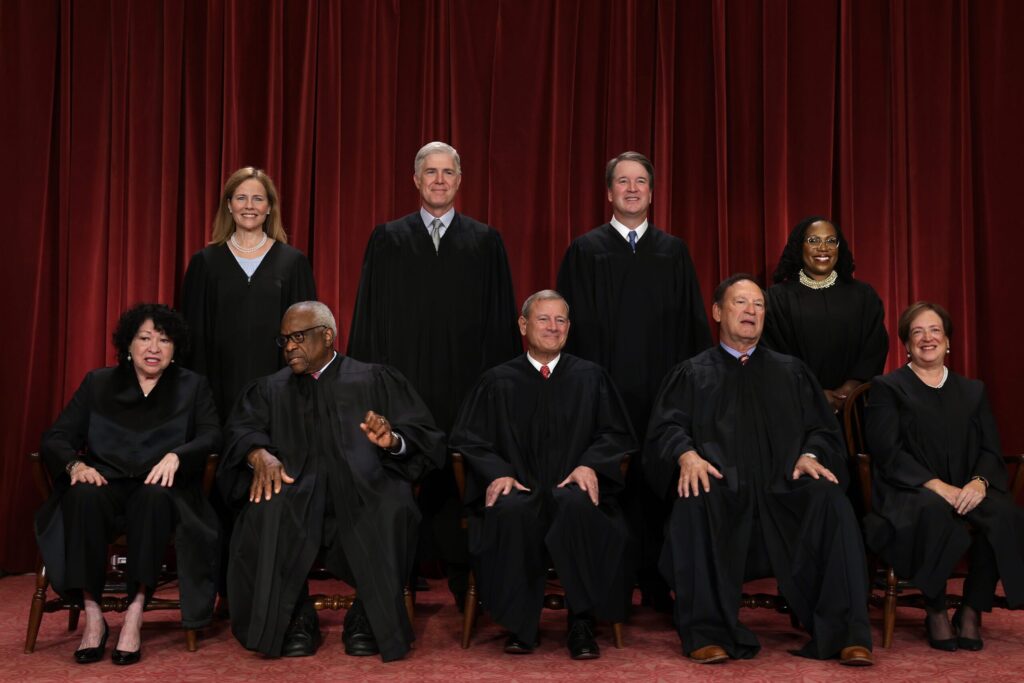
The Supreme Court has since reconsidered. In 1967, after police in Mississippi arrested a mixed-race group of clergy members for “breaching the peace” when they tried to use segregated facilities at a bus stop, the Supreme Court held that officers could not be held financially liable under Section 1983 if they acted in “good faith” and had “probable cause” to believe they were enforcing a valid law. In 1982, the Supreme Court ditched the good faith requirement and expanded government workers’ immunity not just from paying money damages, but from even going through trial at all, unless a plaintiff could show that their conduct violated “clearly established” law.
Since then, federal courts have kept making qualified immunity bigger. Judges have held that it wasn’t “clearly established” that officers couldn’t rob people when they execute search warrants, or that they couldn’t sexually assault people in their custody, or that they couldn’t set someone on fire. As Mississippi federal district judge Carlton Reeves put it in a 2024 order, the doctrine essentially means that “government agents are at liberty to violate your constitutional rights as long as they do so in a novel way.”