The Indian beauty space is currently led by mass brands like Dove and Lakmé. The mass-market category witnessed 8% growth from 2019 to 2025, while the masstige market (high-quality, premium, or aspirational goods that remain affordable, such as La Roche-Posay and Byoma) is growing at 13%, per McKinsey.
Omnipresent beauty
Since the pandemic, India has amped up its e-commerce operations. Beauty brands and retailers now deliver to every corner of the country, serving millions of customers, to meet growing demand for beauty e-commerce. Leading beauty retailers Purplle, Tira Beauty, Myntra, and Kult, now deliver to Tier 2 and 3 cities, like Amritsar, Chandigarh, and Lucknow (Tier 2) or Bathinda, Cuttack, and Udaipur (Tier 3). According to Nykaa, India’s leading beauty and fashion retailer, 60% of revenues come from Tier 2 and 3 cities, led by young consumers. “The average age in India is still under 35. Gen Z and Alpha are demographics that beauty companies are targeting as they’re more online, their taste in beauty has quickly evolved and they’re driven by trends,” says Tanya Rajani, Mintel’s associate director of beauty and personal care in India.
According to Mintel, despite a growing digital beauty landscape, the number one source of influence for Indian consumers is friends and family, followed by product reviews on Amazon and other beauty retailers. But bricks-and-mortar shopping experiences remain important. “The majority of Indians still purchase their products in-store and therefore the store assistant plays a very important role of influencing the consumer they’re guiding, educating, and encouraging,” says Rajani.

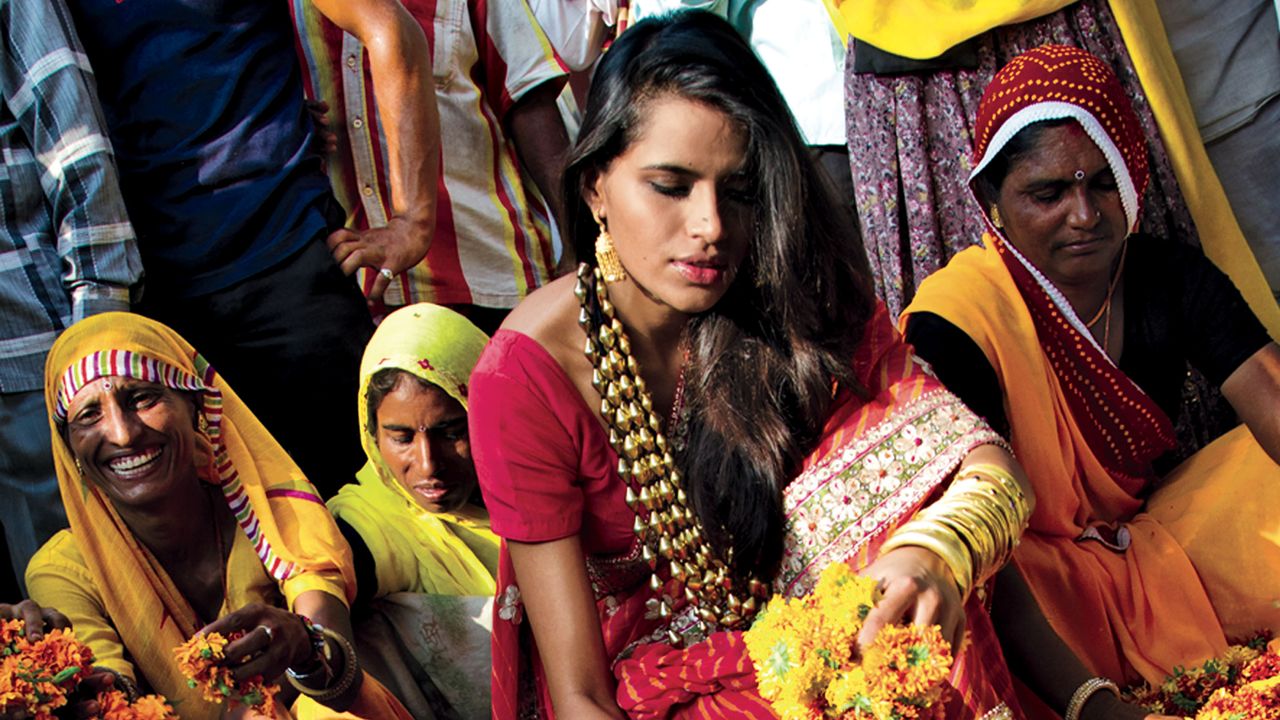
Kama Ayurveda. Photo: Courtesy of Kama Ayurveda
Forest Essentials captured the attention of ELC early on because of its high retail penetration across India. The brand now has 1,930 standalone stores in the country, supplies products to 190 hotels, and ships to 120 countries. In 2021, the brand began expanding its digital footprint to the US, the UK, the Middle East, and Southeast Asia. “Getting that omnichannel approach [right] is something that brands need to keep in mind when looking at India,” says Rajani.