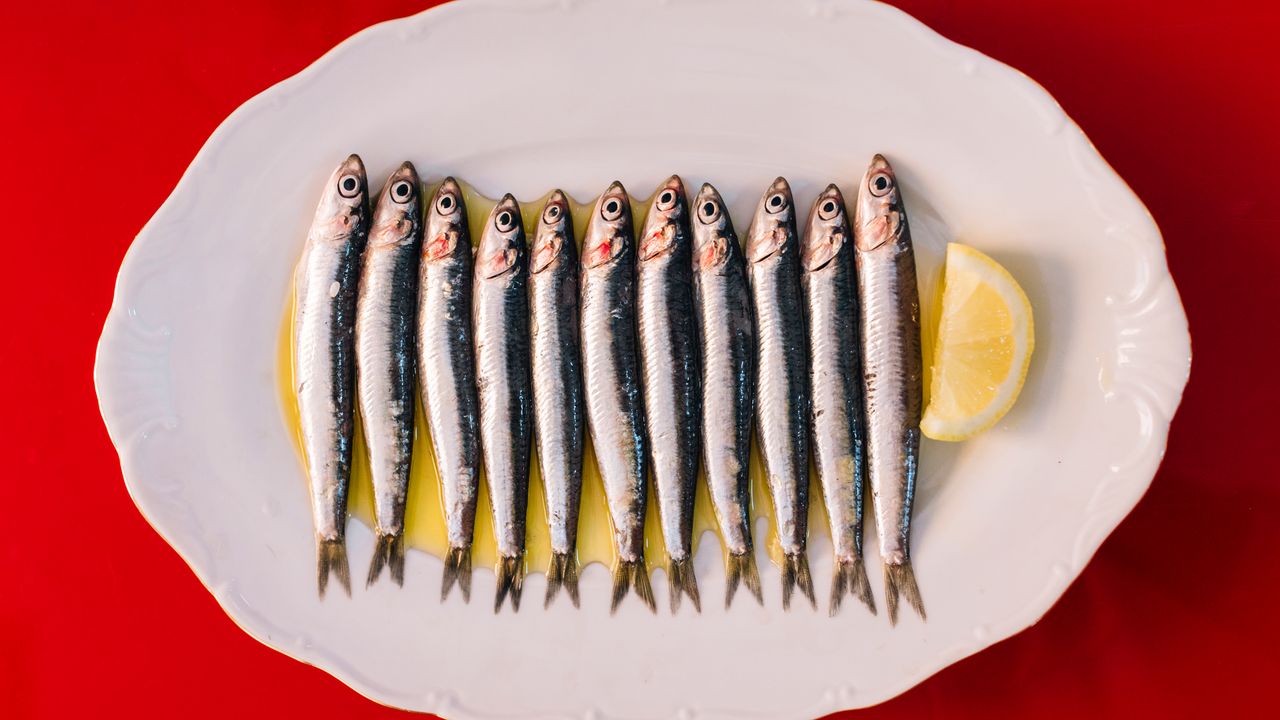
Sardines are having a moment. In colorful tins, emblazoned with cartoonish tiny fish, the protein-rich food has quietly become a popular healthy meal staple. It makes sense: sardines are part of a food group called SMASH, which stands for sardines, mackerel, anchovies, salmon, and herring.
These are fish rich in omega-3 fatty acids, which help reduce inflammation, improve heart health, support blood pressure, and promote healthy brain function. It’s their anti-inflammatory properties that help to improve the skin’s appearance by strengthening the skin barrier and reducing moisture loss.
“Sardines are incredibly nutrient-dense,” says Kirsten Humphreys, a nutritionist at the UK-based supplement brand Bare Biology. “They provide high-quality protein and, because you often eat the small bones, they’re also a good source of calcium.” Add in vitamin D and selenium, two other essential micronutrients that sardines are rich in, and you have a well-rounded skin-supporting powerhouse.
What about the people who can’t stand them, though? According to Humphreys, there are a handful of foods that contain similar nutritional properties, which, for sardine haters, is brilliant news. Here, we break down what to concentrate on if the thought of sardines makes you cringe.
Oily fish
You might hate sardines but tolerate other oily fish, like mackerel, salmon, anchovies, or herring. As mentioned earlier, these little fish are chock full of omega-3 fats, which Humphreys says help support healthy inflammatory balance and overall skin health.
Brazil nuts
Did you know that one to three Brazil nuts is enough to fill your daily selenium quota? A powerful antioxidant, selenium contributes to the healthy functioning of your thyroid, immune system, and cognitive processing. Its antioxidant properties also make it beneficial for the skin. “Antioxidants help protect cells from oxidative stress that can affect the skin,” Humphreys explains.
Oxidative stress occurs when there’s an imbalance between skin-harming free radicals and skin-protecting free radicals. Too much oxidative stress can cause long-term cellular damage that can change the appearance and function of the skin. Eating antioxidant-rich foods can help rebalance the equation, providing your body and skin with more protective forces to fight off free radical damage.
Eggs
Not only a protein and micronutrient powerhouse, but eggs also contain vitamin D, a skin-supporting vitamin that helps to reduce inflammation.
Oysters
“Oysters are high in zinc, a mineral that plays an important role in skin health and repair, wound healing, and immunity,” says Humphreys.
Extra virgin olive oil
If you’ve seen people taking shots of olive oil in the name of better health, know that it can have a profound effect on your skin, too. “It’s rich in monounsaturated fats, which support overall metabolic health and help maintain stable blood sugar levels,” Humphreys says. Stable blood sugar can play a role in how the skin functions, as repeated highs and crashes can contribute to acne in certain individuals.
The fact that EVOO also contains the antioxidant vitamin E can help protect the skin and support overall skin health. “I wouldn’t recommend drinking large shots of olive oil, though,” she cautions. Instead, try to include it regularly in your meals.
Have a beauty or wellness trend you’re curious about? We want to know! Send Vogue’s senior beauty & wellness editor an email at beauty@vogue.com.