Lymphatic Drainage Supplements: What Peer-Reviewed Research Reveals
The lymphatic system is frequently overlooked in routine wellness discussions. Yet its impact is profound as it maintains systemic fluid balance.
Beyond simple filtration, its role becomes evident through physical cues that patients often struggle to define:
A lingering heaviness Persistent puffiness A sense of lethargy that no amount of rest can help overcome
Proactively supporting these drainage pathways can help alleviate discomfort and revitalize overall energy levels.
This explains why the interest in lymphatic drainage supplements has grown considerably among health-conscious adults. But the market for such formulations is often saturated with conflicting information.
The real question here is whether the specific botanicals and nutrients found in many lymphatic drainage pills have the science to augment natural filtration processes.
The evidence for supporting these structures is more robust than many expect.
Why Lymphatic Function Deserves More Attention After 50
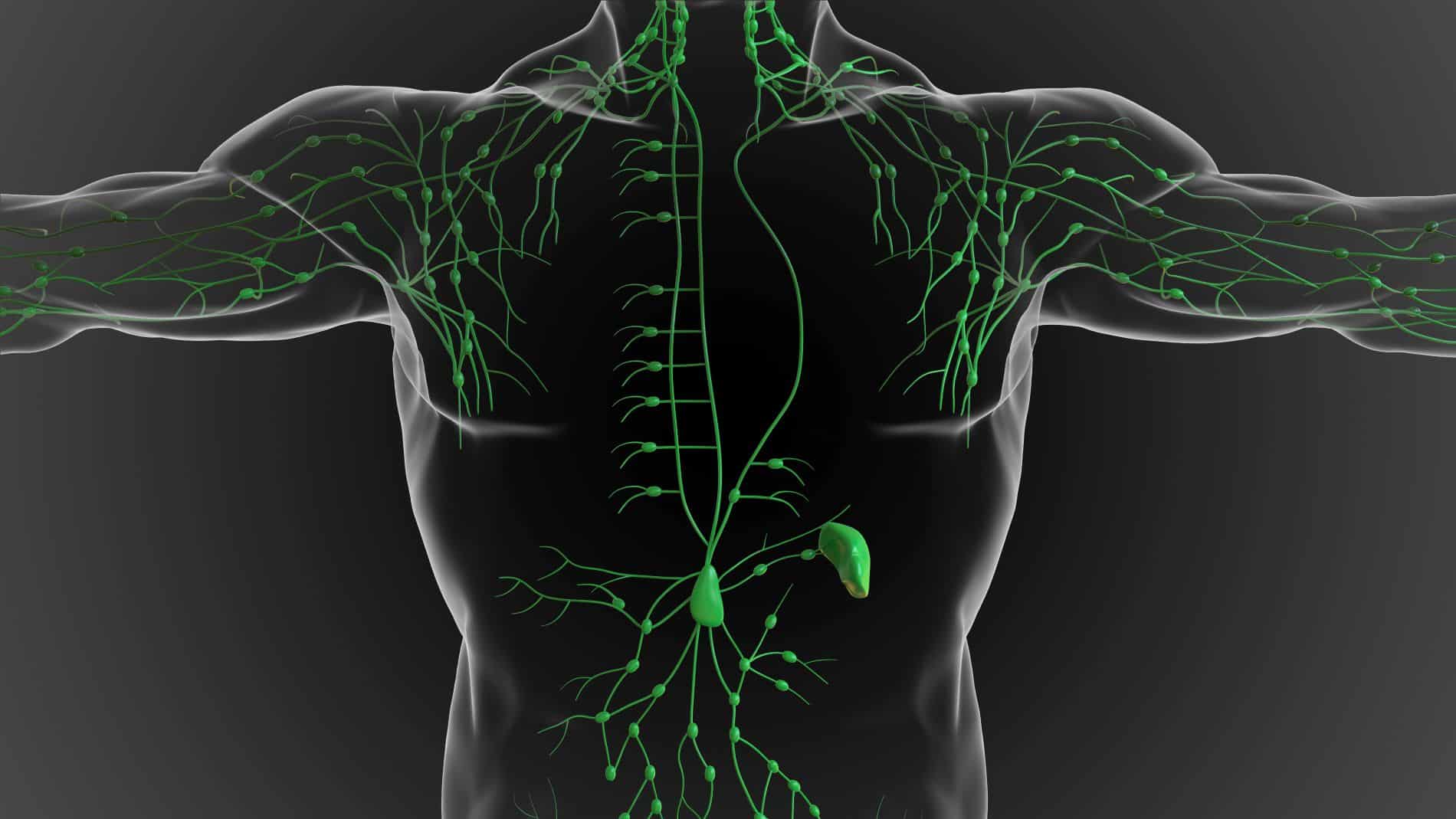
The lymphatic system moves an estimated 2–3 liters of fluid every day. It collects interstitial fluid from around cells, passing it through lymph nodes for immune filtering, and returning it to circulation via the thoracic duct.
The system has no dedicated pump. It depends entirely on:
Breathing Muscle movement Intrinsic contractility of lymphatic vessels
In simpler terms, think of the lymphatic system as the body’s internal drainage network. Unlike the heart, which has its own built-in pump, lymph fluid relies on your movement and breathing to keep flowing. When that slows down, the system backs up—much like a drain that hasn’t been cleared in a while.
This challenge has led many to explore the role of lymphatic drainage pills as a means of augmenting these biological processes.
That dependency becomes significant with age.
Lymphatic vessel contractility declines with sedentary behavior, and chronic low-grade inflammation directly impairs lymphatic endothelial function.
A 2018 review in Nature Reviews Cardiology describes how lymphatic vessels actively transport immune cells (such as dendritic cells) and inflammatory signals from tissues to lymph nodes via specialized entry structures and directional flow. This process allows the immune system to detect and respond to local changes.
When lymphatic transport is impaired, these immune cells cannot be efficiently cleared from tissues, leading to their accumulation and prolonging local inflammatory activity.
Put simply, this creates ripple effects well beyond occasional puffiness.
The Botanicals with Real Mechanistic Backing  Image Source: PUREHEALTH RESEARCH Quercetin: The Anti-Inflammatory Workhorse
Quercetin is one of the most studied flavonoids in nutritional science, and its relevance to lymphatic health extends beyond its reputation for supporting a balanced immune environment.
Mechanistically, quercetin helps regulate signaling markers in the bloodstream that can interfere with normal lymphatic vessel function when elevated.
A 2019 meta-analysis of randomized controlled trials found that quercetin supplementation can significantly reduce C-reactive protein (CRP), particularly in individuals with underlying inflammatory or metabolic conditions, although effects on IL-6 were less consistent.
In practical terms, quercetin helps lower overall inflammatory load, especially in people with existing metabolic stress. Still, its effects on specific inflammatory pathways are more variable.
Research published in the Journal of Nutritional Biochemistry has also shown that quercetin supports endothelial barrier integrity by influencing proteins involved in cell-to-cell junctions, such as occludin and claudins.
These proteins help regulate how fluids and molecules move across vessel walls.
To visualize this, consider these tight junctions as the seals between tiles. When they’re maintained and intact, fluid moves through the intended pathways. Supporting these barriers helps alleviate the potential for fluid to move in unintended directions.
Its inclusion at research-backed doses of 500–1,000 mg/day serves as a key indicator of a formulation designed to augment vascular integrity and support systemic equilibrium.
Red Clover: Traditional Vascular Support, Modern Confirmation
Red clover (Trifolium pratense) has been utilized across traditional systems as a vascular tonic.
2022 research on ScienceDirect has begun to clarify the biological activity of its key isoflavones (40–80 mg/day), including biochanin A. Experimental studies show that biochanin A can modulate signaling pathways such as NF-κB and MAPK, helping regulate the body’s natural response to systemic stress.
In practical terms, this is significant because maintaining these signaling pathways is essential for supporting normal vascular and lymphatic function. By modulating these pathways, red clover compounds may help promote a more favorable environment for healthy circulation and fluid movement.
While direct effects on lymphatic vessel contractility require further human research, these isoflavones play a clear role in maintaining the structural and functional equilibrium necessary for systemic drainage.
Astragalus: Immune Traffic Control
Astragalus membranaceus is widely studied for its immunomodulatory effects.
Reviews of Astragalus polysaccharides describe their influence on the activity of immune cells across both innate and adaptive systems, suggesting a role in supporting cellular communication within the lymphatic network.
Mechanistically, Astragalus (500–1,500 mg/day) helps maintain the healthy production and activity of immune cells that circulate throughout the body. Because these cells utilize the lymphatic system as their primary transport network, supporting their natural levels helps promote the overall functional equilibrium of the system.
Lymph nodes serve as the primary sites where immune cells congregate to regulate systemic responses.
The efficiency of these nodes depends on a steady, well-populated supply of immune cells moving through lymphatic vessels. Astragalus polysaccharides help maintain and augment that process.
Cat’s Claw: An Amazonian Herb with Deep Anti-Inflammatory Roots
Uncaria tomentosa (cat’s claw) has been studied for its role in supporting immune function and modulating systemic signaling, with evidence primarily rooted in human clinical observations and mechanistic cell studies.
According to a 2001 study published in Phytomedicine, healthy adults who supplemented with an aqueous cat’s claw extract (250 mg or 350 mg/day) for eight weeks showed a significant increase in cellular repair and a decrease in induced DNA damage compared to controls.
The study also reported an increased tendency toward lymphocyte activity in the supplemented groups. These findings suggest that cat’s claw plays a role in maintaining the structural integrity of cells and supporting healthy immune cell populations.
Mechanistically, research published in the Journal of Ethnopharmacology found that cat’s claw can modulate specific signaling components, such as NF-κB and AP-1. This reduces the production of certain signaling proteins like TNF-alpha.
In a functional context, cat’s claw appears to function less as a direct lymph mover and more as a regulator of the body’s natural response to systemic stress.
Burdock Root: The Underappreciated Filtration Ally
Arctium lappa (burdock root) has long been utilized in herbal traditions for supporting the body’s natural elimination processes. Modern research has identified several bioactive compounds within burdock, including arctiin, chlorogenic acid, and various polyphenols that augment the body’s antioxidant defenses.
In a 2011 study published in BMC Complementary and Alternative Medicine, burdock root extracts demonstrated significant free radical scavenging activity and a high concentration of phenolic compounds. These findings indicate that burdock root can support the body in regulating reactive molecules that contribute to oxidative stress.
Burdock root is typically used in the range of 1,000–3,000 mg/day in dried form, or lower amounts when taken as a concentrated extract.
Ginger: Microvascular Tone and Inflammatory Load
Ginger’s bioactive compounds, including gingerols and shogaols, are among the most extensively studied in botanical medicine.
In randomized controlled trials, ginger supplementation (1–2 g/day) has been shown to reduce key inflammatory markers such as C-reactive protein (CRP) and, in some cases, interleukin-1β (IL-1β).
Simply put, this places ginger among compounds that can help modulate systemic inflammatory load, particularly in individuals with existing inflammatory conditions.
What Lymphatic Drainage Pills Can and Can’t Do
Precision is essential when evaluating these formulations.
No oral supplement physically manipulates lymph fluid in the same manner as manual drainage techniques. However, high-quality supplements can support the biochemical conditions that maintain efficient flow, specifically by addressing:
Vascular integrity and endothelial function Antioxidative capacity (reducing oxidative stress) Immune cell activity and migration Smooth muscle responsiveness within vessel walls
The most effective lymphatic drainage pills often utilize a multi-target approach, pairing flavonoids that support systemic signaling with immunomodulatory botanicals.
When evaluating any formula, it’s vital to prioritize standardized extracts with quantified active compounds, transparent dosing, and third-party purity verification. Reviewing lymphatic drainage supplements from companies that meet these rigorous benchmarks is a practical starting point.
Supplements can support the conditions that influence lymphatic function, but they do not replace the mechanical forces that actually move lymph through the body.
The Bottom Line
The lymphatic system is no longer viewed as a passive drain. Modern science now recognizes it as an active signaling network that directs tissue repair and even produces its own immune cells.
These vessels act as a paracrine engine, sending out the specific instructions your organs need to regenerate.
Because this system lacks a central pump, its ability to send these vital ‘repair signals’ depends on the structural integrity of the vessels themselves. Supporting this network with lymphatic drainage pills can help preserve the primary signaling pathway the body uses to regulate cellular health and maintain long-term resilience.
This article was written for WHN by Goran Sigmundsson, a medical research writer dedicated to the intersection of vascular, lymphatic, and metabolic health. With over a decade of experience, he specializes in translating complex peer-reviewed data into precise, mechanism-driven analysis for professional audiences. Goran’s work is defined by a commitment to clinical accuracy, ensuring that emerging research is presented with the nuance and evidentiary support required for high-level health platforms.
As with anything you read on the internet, this article should not be construed as medical advice; please talk to your doctor or primary care provider before changing your wellness routine. WHN neither agrees nor disagrees with any of the materials posted. This article is not intended to provide a medical diagnosis, recommendation, treatment, or endorsement.
Opinion Disclaimer: The views and opinions expressed in this article are those of the author and do not necessarily reflect the official policy of WHN. Any content provided by guest authors is of their own opinion and is not intended to malign any religion, ethnic group, club, organization, company, individual, or anyone or anything else. The Food and Drug Administration has not evaluated these statements.
Content may be edited for style and length.
References/Sources/Materials provided by:
Oliver G, Kipnis J, Randolph GJ, Harvey NL. (2020). The lymphatic vasculature in the 21st century: novel functional roles in homeostasis and disease. Cell, 182(2), 270–296. Vieira JM, Norman S, Del Campo CV, et al. (2018). The cardiac lymphatic system: essential roles in fluid balance, immune surveillance, and disease. Nature Reviews Cardiology, 15, 445–460. Ou Q, et al. (2019). Impact of quercetin on systemic levels of inflammation: a meta-analysis of randomized controlled trials. International Journal of Food Sciences and Nutrition, 71(4), 365–376. Ahn J, et al. (2013). Quercetin enhances endothelial barrier function through modulation of tight junction proteins. Journal of Nutritional Biochemistry, 24(9), 1680–1688. Ko KP. (2014). Isoflavones: chemistry, analysis, functions and effects on health and cancer. Asian Pacific Journal of Cancer Prevention, 15(17), 7001–7010. Rietjens IMCM, et al. (2017). Phytoestrogens and health effects: a review of biochanin A and related isoflavones. Molecular Nutrition & Food Research, 61(1), 1600527. Ren S, Zhang H, Mu Y, et al. (2020). Pharmacological effects of Astragalus polysaccharides on immune system. Frontiers in Pharmacology, 11, 349. Li X, Qu L, Dong Y, et al. (2014). A review of recent research progress on the Astragalus genus. Molecules, 19(11), 18850–18880. Sheng Y, et al. (2001). DNA repair enhancement of aqueous extracts of Uncaria tomentosa in a human volunteer study. Phytomedicine, 8(4), 275–282. Sandoval M, et al. (2000). Anti-inflammatory actions of Uncaria tomentosa: inhibition of NF-κB and TNF-α. Journal of Ethnopharmacology, 71(1–2), 235–242. Predes FS, et al. (2011). Antioxidative and in vitro antiproliferative activity of Arctium lappa root extracts. BMC Complementary and Alternative Medicine, 11, 25. Naderi Z, et al. (2015). Ginger supplementation and inflammatory biomarkers in type 2 diabetes: a randomized controlled trial. Nutrition Journal, 14, 79. Arablou T, Aryaeian N. (2018). The effect of ginger on inflammatory markers: a systematic review and meta-analysis. Phytotherapy Research, 32(12), 2319–2330.