2025 was a pivotal year for innovation, growth and (finally!) rising investment in digital health technology that targets or centers women and their health concerns. Although “women’s health” has historically referred mostly to reproductive health, a groundswell of efforts are now aimed at expanding that definition—along with business and funding opportunities—to include not only conditions that almost exclusively affect women (breast cancer, pregnancy, menopause), but also those that affect them differently (cardiovascular disease, mental health) and significantly disproportionately (Alzheimer’s, autoimmune diseases, osteoporosis).
“Women’s health has been defined by the market as the parts covered by the bikini,” says Lisa Suennen, managing partner of American Heart Association Ventures with over 35 years watching investment in the women’s health space. Just in the last two years, she says, market momentum picked up and hit an inflection point, underlined by the announced $18.3 billion acquisition of Hologic by private equity firms Blackstone and TPG, and by the continued global scale-up of Maven Clinic, which partners with companies like Amazon and Microsoft and insurers like Blue Cross Blue Shield to provide virtual care for women and families. “Attention is starting to turn to seeing the whole woman’s body, their entire lifecycle,” says Suennen. One recent data point: At J.P. Morgan’s healthcare conference in January, there were 24 women-focused events, compared to only a few in recent years.
Beyond notable exits and growth, factors helping stoke interest in the women’s health sector include a growing awareness that it presents large markets with high growth potential, investments by major healthcare players like the American Heart Association (AHA), Wellcome Leap Foundation and Cleveland Clinic into digital health innovation and a modest but meaningful increase in women investors and founders. The women’s health market is projected to grow from $45.5 billion in 2025 to $58.1 billion by 2029, according to a recent report from Women’s Health Access Matters (WHAM), a nonprofit focused on accelerating research and increasing funding in this area. Moreover, women influence approximately 80% of healthcare decisions and are projected to control more than half of U.S. wealth by 2030, thanks to the “great wealth transfer” between 2024 and 2048, as aging boomers pass assets to surviving spouses (more often women) and later to adult children (with daughters increasingly inheriting solely or jointly).
The evolution of women’s wearables and remote diagnostics
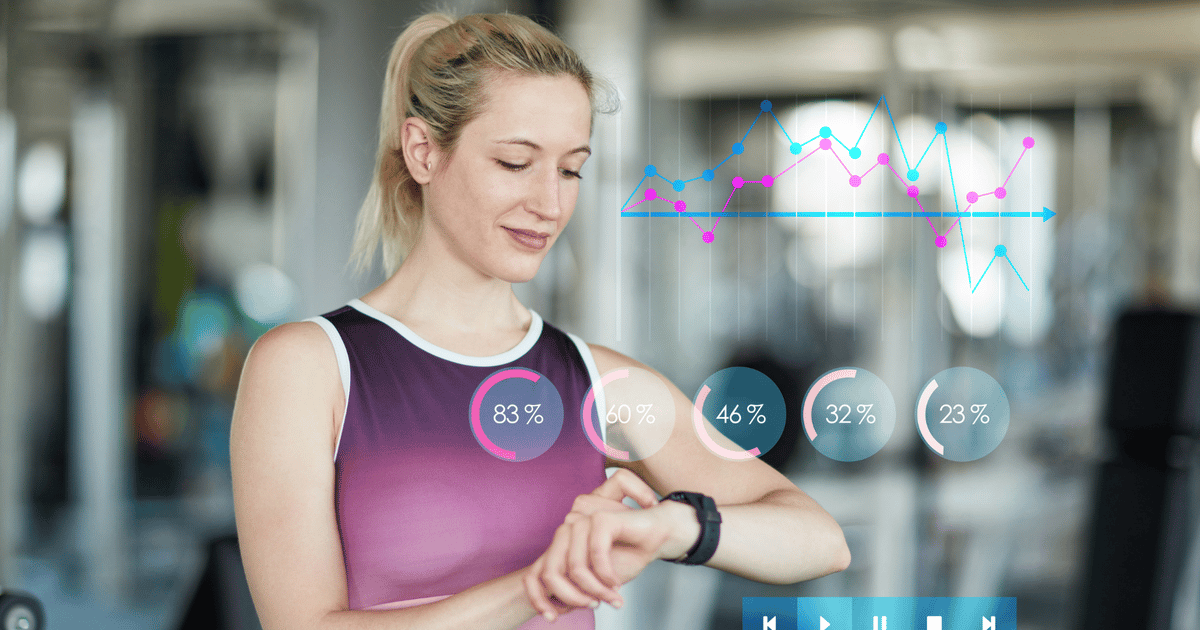
Recent years have brought a proliferation of wearables, apps and at-home testing services targeted primarily, or inclusively, to women. Early mover cycle-tracking app Natural Cycles has evolved to integrate with sensor-rich, multipurpose Apple watches and Oura rings to help users monitor cycles for fertility or hormone-free birth control. (Oura’s Cycle Insights is FDA-cleared for fertile window prediction.) Performance-focused Whoop offers a female physiology focus. And at CES in January, new women’s healthtech entries made it clear that future innovation lies in addressing broader, often-overlooked conditions and novel diagnostic pathways.
Case in point: Peri is the first wearable and AI platform to track perimenopausal symptoms such as hot flashes, night sweats, anxiety and sleep pattern changes within the context of individual users’ monthly cycles—and even hormone replacement therapy to determine impact. The device, reminiscent of a continuous glucose monitor, adheres to users’ skin below the breast and deploys four sensors: PPG (photoplethysmography) for blood flow, accelerometer for movement, EDA (electrodermal activity) for measuring skin electricity and a temperature sensor.
The biological phase leading up to menopause, perimenopause, can last as long as 12 years and causes significant, life-disrupting symptoms for 75% of women. A scientist with a background in disease prediction and prevention, Peri co-founder Heidi Davis says sleep disruption and vasomotor symptoms like hot flashes—caused by hormonal changes that affect the hypothalamus—are risk factors with long-term implications for brain and cardiovascular health. Heart disease is the number one cause of death for women, and women are twice as likely as men to get Alzheimer’s disease. “Women are quite protected against chronic disease up until menopause, but post menopause, all our risk factors spike,” says Davis.
Another CES standout is FlowPad by Vivoo. The pad has a microfluidic diagnostic underlayer that directs menstrual blood into biomarker zones for testing fertility, ovarian health, perimenopausal hormones and pH, an indicator of vaginal microbiome health. After the user scans the test results on the pad’s bottom, the results—and AI-based insights—show up in the accompanying app. Recent studies show menstrual blood, which contains hormones and other biomarkers, can be used to help diagnose hormonal imbalances, cervical cancer, endometriosis, chlamydia and diabetes, among other endocrine disorders. Qvin sells a similar Q-Pad product that’s FDA-cleared for A1c testing to detect or monitor prediabetes or Type 2 diabetes. The company’s website says it plans to include other biomarker tests.
Trained as a bioengineer, co-founder Miray Tayfun says the company is focused on “translating complex biological signals into clear, actionable insights that anyone, not just clinicians, can understand and act on.” Vivoo already sells several at-home biomarker tests and is introducing an inflammation test as well as Smart Toilet, a clip-on optical sensor that measures hydration.
Additional innovative healthtech companies to watch include Bloomer Tech, a medical-grade smart bra with textile echocardiogram (ECG) sensors with potential to generate novel digital biomarkers tailored to female physiology; Evvy by Movano Health, which offers at-home vaginal microbiome testing paired with an education and insights app; DotLab, which makes a noninvasive blood test that helps with early detection of endometriosis; and Celamatics Therapeutics, which is developing medications and treatments to support ovarian health, reducing common conditions such as endometriosis and polycystic ovary syndrome, and which has been awarded $3.5 million in nondilutive funding by Advanced Research Projects Agency for Health (ARPA-H).
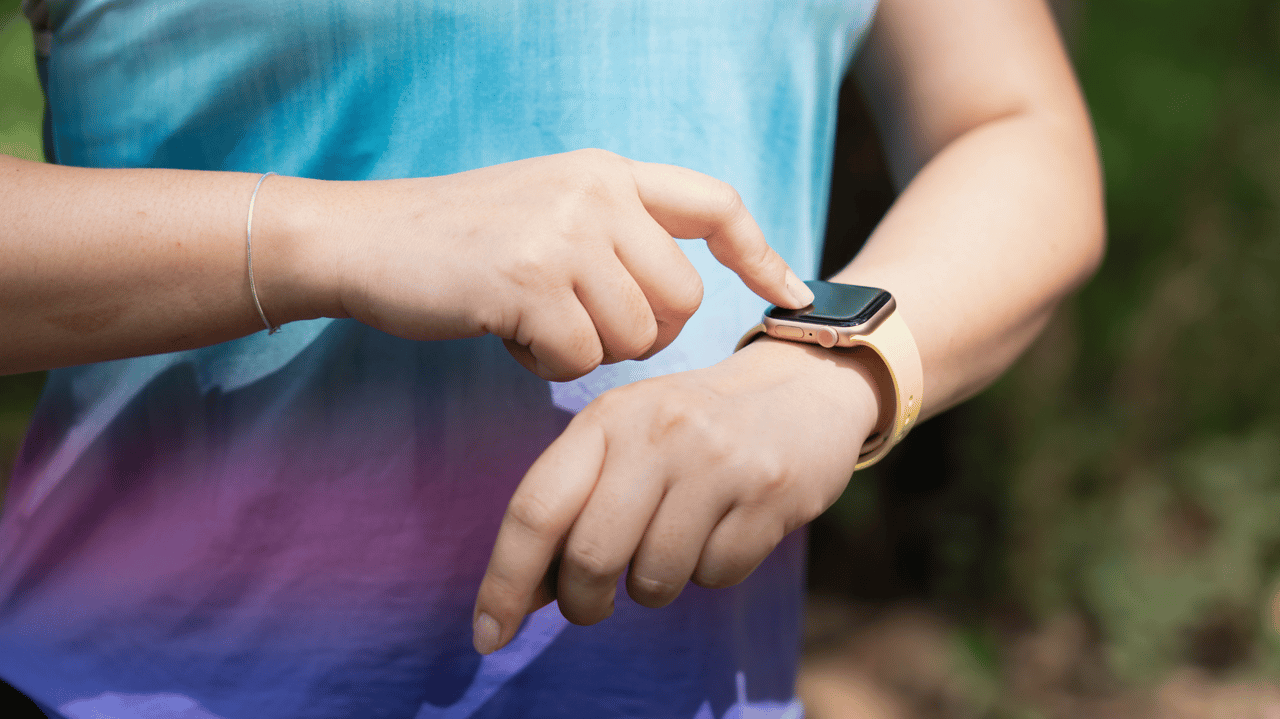
Some companies are using healthtech to build data sets in areas where women are vastly underrepresented.
Harnessing tech to close gender health data gaps
Like most women’s healthtech companies, Peri is focused on gathering women-specific health data to help close the gender gap that makes research—and the AI that trains on medical journals—strongly male-biased. As of 2020, women represent only 38% of clinical research participants, with lower rates for women of color, partly because it’s easier. Men’s physiology is more consistent than women’s, which changes monthly and across biological phases, affecting drug metabolism and more, says Davis, a longtime lab scientist.
“In women’s health, we tend to have to build the whole dataset before we can build the innovation,” she says. To collect perimenopause-specific data that can unlock more accurate disease protectors for women, the founders realized they needed to purpose-build a wearable. “Hardware is difficult to build and scale; you need a lot of investment once you go to volume.” Finding the right investors can also be a challenge.
Generational differences matter, says Davis: Although older male investors don’t tend to see perimenopause as a serious condition, younger investors are more receptive because their wives talk to them about it.
More widely, companies and health organizations share a common goal: increased investment in collecting and analyzing the right data to support women with evidence-backed insights and trends—and to support research that improves women’s health outcomes. For instance, the AHA’s Research Goes Red aims to be the world’s largest, participant-centric women’s health registry and research platform to accelerate understanding of how cardiovascular disease impacts women.
Funding research and data doesn’t just promise significant economic impact—a $350 million investment in research on the top four conditions affecting women yields $13 billion in return, according to the WHAM report. There’s also near-term value as healthtech companies provide users with more precise, personalized health-trend data and insights they can share with their providers, many of whom have limited training about complex issues like perimenopause. “Women lose confidence in their doctors and health care at midlife because they’re not getting the support they need,” says Davis.
Add to that the reality that in-clinic care tends to be limited and time-consuming to access, and it makes sense that these individualized, interactive digital tools are marketed as empowering women to proactively own their health journey. “We strongly believe the future of health care will be built on shared decision-making between patients and their providers,” says an Evvy blog post reviewed by two of its OB-GYN consultants. Women consumers seem to be fully on board. For instance, Oura’s users are now 60% women, a complete pivot from its initial male-dominated base.
Indeed, when done right, these tools can help fill gaps, increase consumer education and improve diagnostics and prevention. Many healthtech companies are collaborating with leading research centers and working to add de-identified data to open registries. “I was surprised by how excited our users are to be building part of a dataset,” says Davis.
Even women’s health advocates like Stacy Sims, an exercise physiologist and nutrition scientist with more than 1 million Instagram followers who’s renowned for her “Women Are Not Small Men” TED talk and is the author of the popular books ROAR and Next Level, are jumping into data aggregation as an opportunity to accelerate narrowing the gender and diversity gaps. Sims has started Collective X Health, which, per the website, aims to be a “comprehensive, peer-reviewed database and verified LLM that companies can use to train their AI products in women’s health—delivering translational insights and a built-to-scale marketplace for researchers and businesses.” Existing algorithms often miss nuances about women’s physiological changes like shifts in heart rate variability (HRV) that happen in perimenopause and after menopause, Sims says.
Moving beyond challenges
Transitioning to enterprise business models can be a significant hurdle to long-term success for many direct-to-consumer healthtech companies. Although most health-focused devices are eligible for HSA and FSA reimbursement, Suennen says that ultimately, “people expect their insurance to pay for things.” When pitching to payers like employers or insurers, businesses need to “step up their clinical bar and financial ROI bar to prove the value proposition, how the payer can make or save money, in their terms,” she says.
For healthtech start-ups building audiences and datasets from scratch, another potential challenge is the extended time it takes to collect sufficient data and outcomes and prove cost savings before pursuing enterprise payers. In the meantime, an HSA/FSA reimbursement incentive alone limits access by underserved populations.
The good news is that a handful of telehealth and clinic platforms and lab testing companies have already transitioned to enterprise, including Maven Clinic, Kindbody, Everlywell’s Everly Health and Withings’ Withings Health Solutions. The most established wearables aren’t far behind and continue pushing forward in this area. Oura for Business provides anonymized group insights and individual guidance for employee well-being and performance for enterprise clients and collaborates with Maven Clinic and Klick Health. Employers working with Cigna Healthcare can also use wellness dollars to subsidize Oura rings for employees. Fitbit has longstanding partnerships, including UnitedHealthcare’s employer-sponsored Motion program. Whoop Unite and Garmin’s Garmin Health both offer customizable enterprise platforms for employers, healthcare apps and research organizations.
One effective strategy to win over payers and scale impact is to focus on costly, complex and underserved women-specific health conditions, Suennen says. She points to major gaps including diagnostics, particularly for difficult-to-detect conditions (e.g., nonobstructive coronary artery disease, hypertrophic cardiomyopathy); nondrug interventions for metabolic and autoimmune disorders; sleep apnea and dysfunction; and stroke recovery for women, who experience significantly more disability and are more likely to die after strokes than men are.
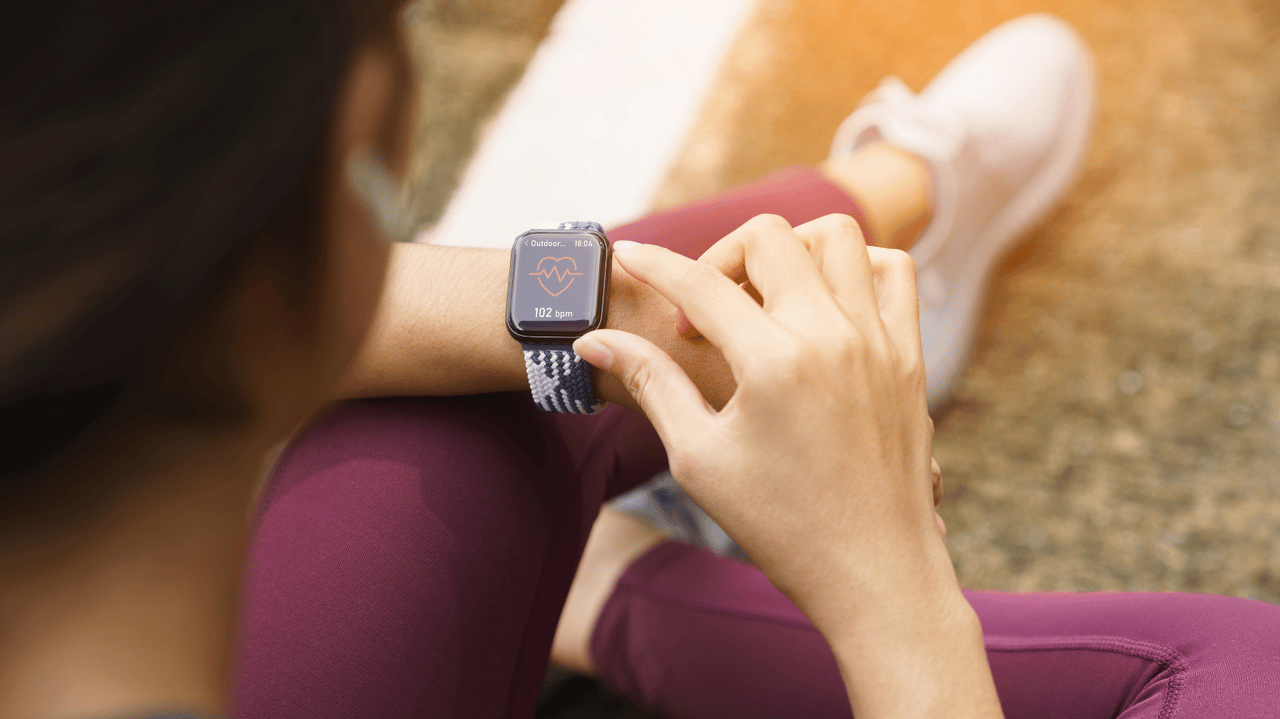
Women are using wearables to determine how effective supplements are.
Measuring supplements’ impact
The healthtech space presents a significant market opportunity for the supplement industry. Davis notes that the perimenopause and menopause category is growing. Peri users can enter supplement information, then see objective profiling of symptoms like sleep or stress to determine if there’s been improvement and, if so, whether the supplement or a lifestyle change may be behind that. “Then you can make your decision based on information, not guesswork,” she says. She shared a story about a woman who told her she was spending 250 euros a month on supplements and said, “One of them is working, but I don’t know which. I’m terrified of getting off any of them, so I just keep buying them.”
Sims says healthtech can be helpful when looking at creatine, L-theanine and magnesium L-threonate for sleep. “Even if there’s a partial placebo effect, if women see better sleep results, that supports positive behavior change,” she says. Women using hormonal contraceptives who experience fatigue from associated micronutrient deficiencies can also try taking iron every other day. “If they see that they’re less tired, that’s a measurable outcome,” she says. For best results, she recommends assessing one supplement at a time.
With Vivoo’s at-home tests that measure intake-related biomarkers such as calcium, magnesium, vitamin C, oxidative stress, ketone, hydration and pH, Tayfun says, “Our data shows something important: Even with a ‘balanced’ diet, it’s surprisingly difficult to meet all nutritional needs without visibility.” Getting relevant insights about what your body is actually using can change behavior, having meaningful impact, she says, adding, “We expect to continue to see strong [supplement-related] products and services emerge in this space.”
Visions for the future
Women are buying and using wearables “as a way to get information about themselves because they can’t find it anywhere else,” Sims says. Looking at data trends over time to learn and self-advocate with providers is her recommended approach, rather than worrying about daily scores or over-monitoring, which can cause anxiety. She also advises taking a weekly device-free day to center back to the body and intuition. “We can use wearables as a tool, just like a coach uses a whistle or old-fashioned clipboard,” she says.
The population-level insights starting to emerge from wearables are exciting, Sims continues. For instance, Whoop’s investment in reproductive health research has identified an inflection point for HRV: After generally declining through pregnancy, HRV begins rising about seven weeks before delivery. She urges more proactive innovations in this area, such as investigating signals that can help address the high incidence of complications during pregnancy.
The role that de-identified wearable data can play in helping expand decentralized clinical research—and connecting with industry to improve and validate the models that algorithms train on—is another ambitious shared goal for this sector. From an investor and advocate perspective, Suennen says, “our system is not designed to keep people healthy, and the costs are phenomenal. So, if you can invest in helping people at least not get so sick before they’re expensive, the payoff is real.” It’s starting to happen, she says: “It’s time to really double down on the fuel.”
This article originally appeared in the Nutrition Business Journal Healthtech Issue. Subscribe today to Nutrition Business Journal.