 3 min read
Eyeliner and lipstick are beauty staples most of us reach for without a second thought, focusing more on shades and brands than what’s actually behind them. But makeupis far more than a daily routine; it carries a long, layered history that often goes unnoticed.
Its origins date back more than 6,000 years to ancient Egypt, where both men and women used cosmetics not just for appearance but also for cultural and practical purposes. Kohl lined the eyes, rouge added color to the cheeks, and white powders were used to alter skin tone, while crushed malachite created striking green eyeshadow. Makeup was even documented in ancient texts, including the Old and New Testaments, underscoring its enduring role across civilizations. Still, it wasn’t until the early 20th century that cosmetics began to resemble what we recognize today, with bold, visible products like red lipstick entering the mainstream.
Ahead, makeup artists share lesser-known facts about the history of cosmetics, including the surprising truth that eyelineronce served a functional purpose, helping to protect the eyes from infection and harsh sunlight.
1. Contouring has origins in film and theater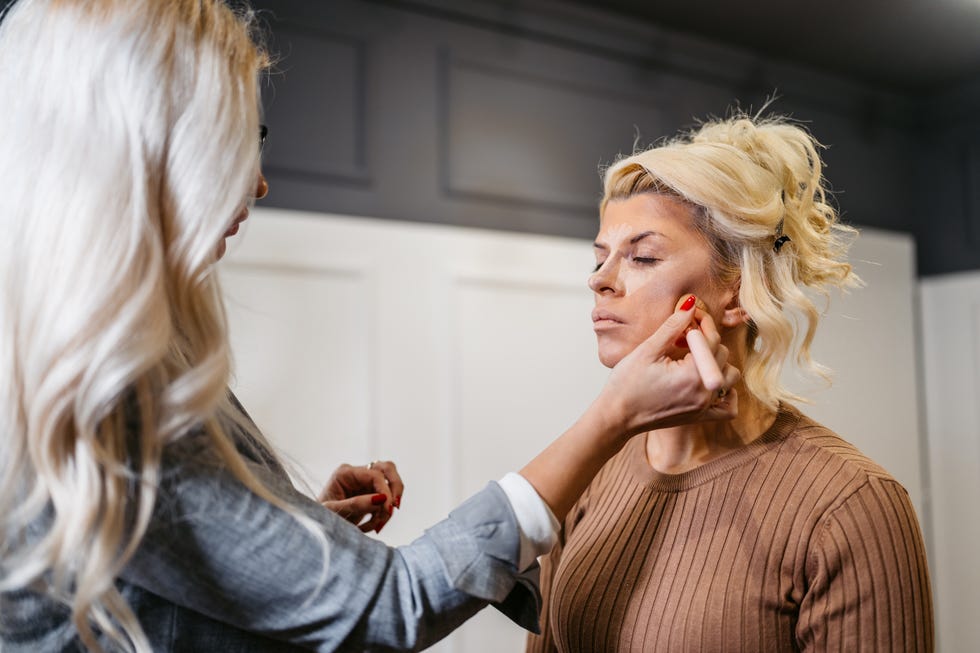
urbazon//Getty Images
Think back to the last time you contoured your face, whether you wanted to accentuate your cheekbones or jaw. This makeup technique actually has roots in film and theater and has trickled into everyday looks. “Performers used light and dark pigments to exaggerate their features so expressions could be seen from the stage,” says Shanzey Al-Amin, makeup artist for Sephora Collection in Eastern Canada.
2. Makeup reflected social status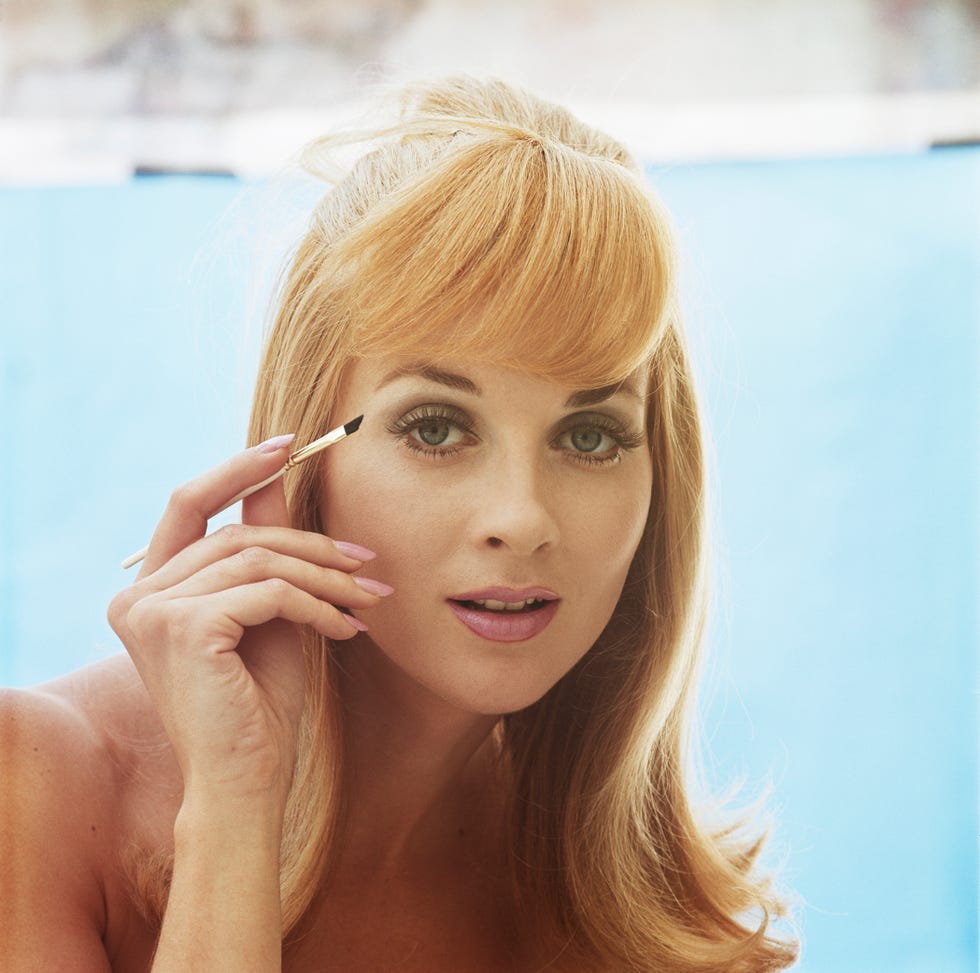
Tom Kelley Archive//Getty Images
According to makeup artist Mezhgan Hussainy, historically, cosmetics often reflected social status. “In many cultures, both men and women wore makeup, but the wealthiest had access to more refined formulas made from rare minerals and ingredients,” she explains.
RELATED: The Complete Guide to Applying Eye Makeup for Beginners
3. Red insect dye was and is still used in makeup
Israel Sebastian//Getty Images
Have you ever wondered how your makeup gets the ideal red color for products like lipstick and blush? Well, you can thank red insect dye from crushed beetles, according to makeup artist Jeanine Lobell. In fact, cochineal is approved by the FDA for use in cosmetics and makeup.
4. Eyeliner was used to protect eyes from the sun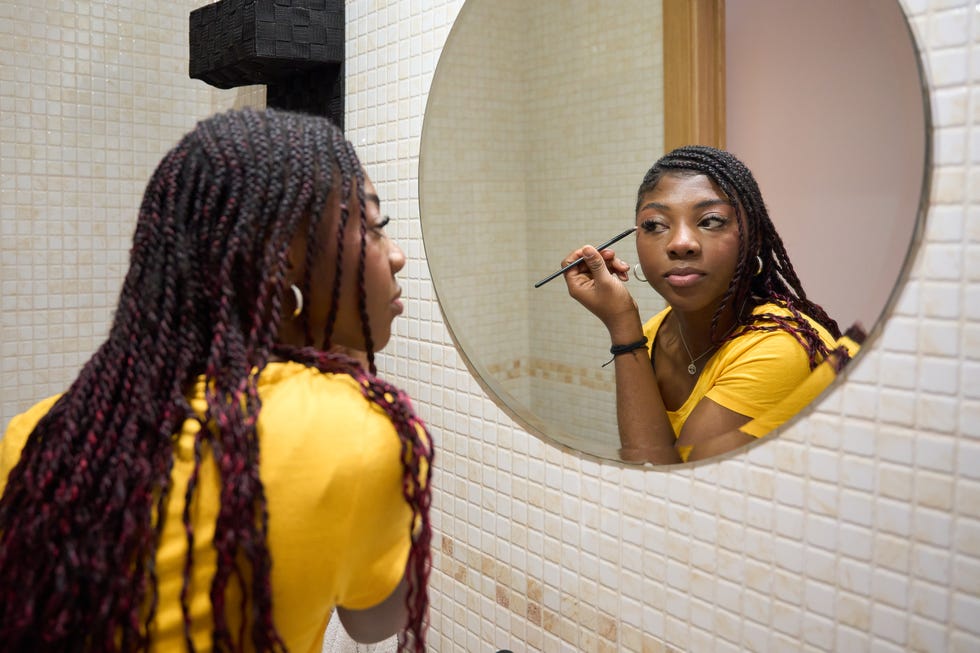
alvaro gonzalez//Getty Images
Although eyeliner is used these days to accentuate the eyes and add some drama for special occasions, it actually had a more serious purpose throughout history. “Ancient Egyptians used kohl eyeliner not only for beauty but it was also thought to protect their eyes from the sun and infections,” says Al-Amin. This was a result of of the antimicrobial properties that came from nitric oxide produced by the lead-based kohl cosmetics.
RELATED: Best Eyeliners for Perfectly Lined Eyes
5. Lipstick was formerly associated with witchcraft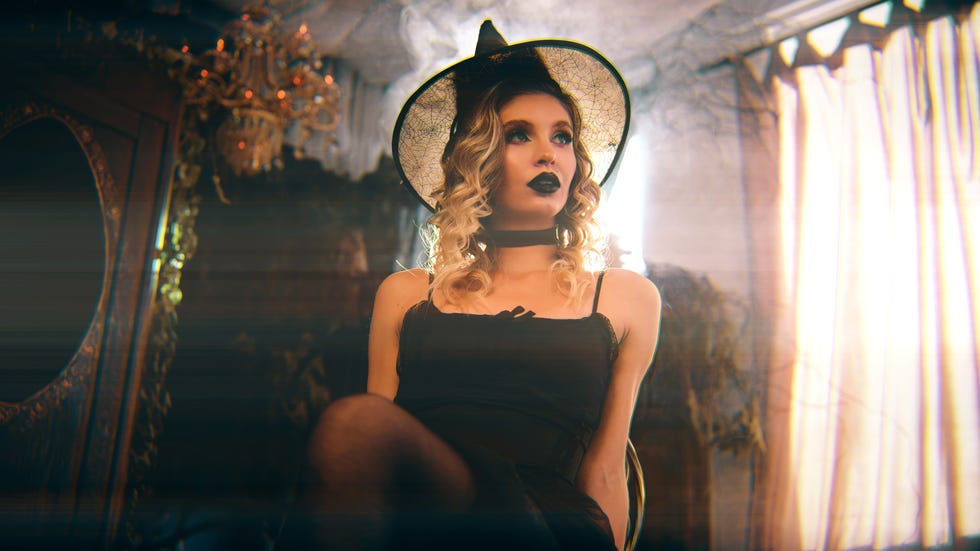
Maliev Oleksandr//Getty Images
According to makeup artist Lauren Wolborsky, bold lip colors (like red) were sometimes viewed with suspicion and associated with deception or witchcraft back in 16th century England. “Even red lipstick worn by figures like Elizabeth I sparked criticism from religious groups,” she tells GH.
6. Cocoa powder was once used as foundation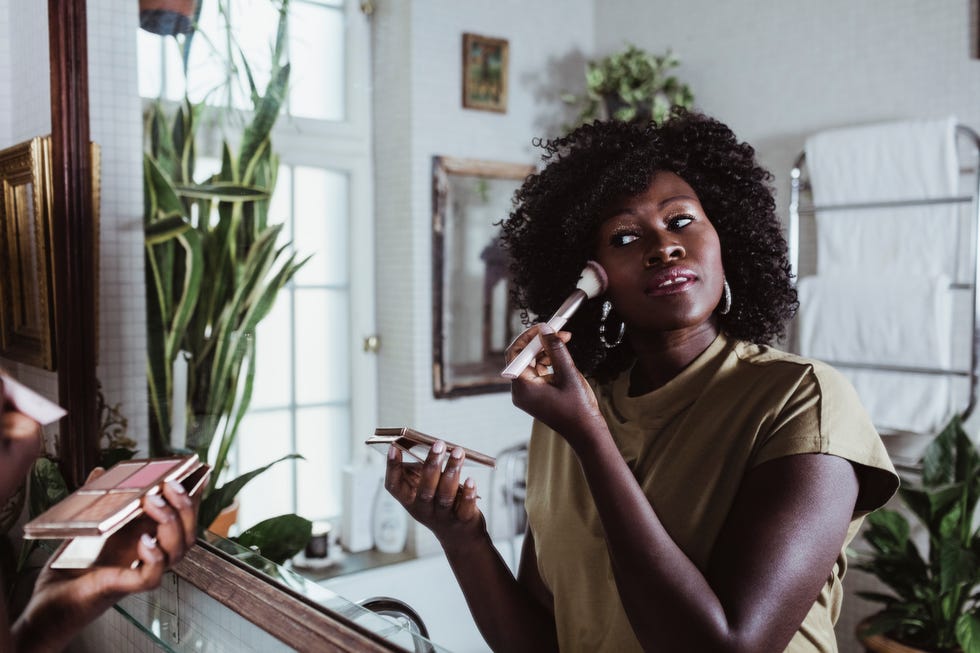
Maskot//Getty Images
Before the beauty industry offered inclusive shade ranges, people with deeper skin tones sometimes improvised with natural pigments like cocoa powder as face powder, according to Wolborsky. “Makeup legend Pat McGrath has spoken about experimenting with cocoa powder early in her career when darker foundation shades were hard to find,” she explains.
RELATED: Best Foundations for Flawless-Looking Skin, Tested by Makeup Pros
7. Animal fur was used to apply blush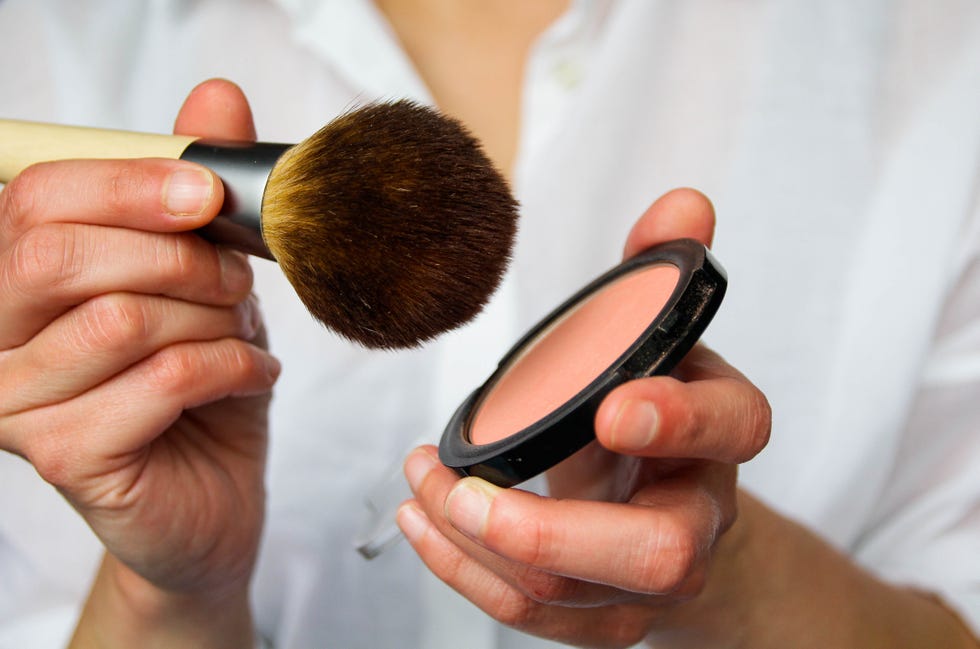
Kinga Krzeminska//Getty Images
Before makeup brushes became common, powders and rouge were often applied using soft animal-fur puffs, including rabbit fur (rouge paw). “This helped to distribute pigment evenly across the skin without needing a makeup brush,” says Wolborksy.
8. Lipstick was once considered patriotic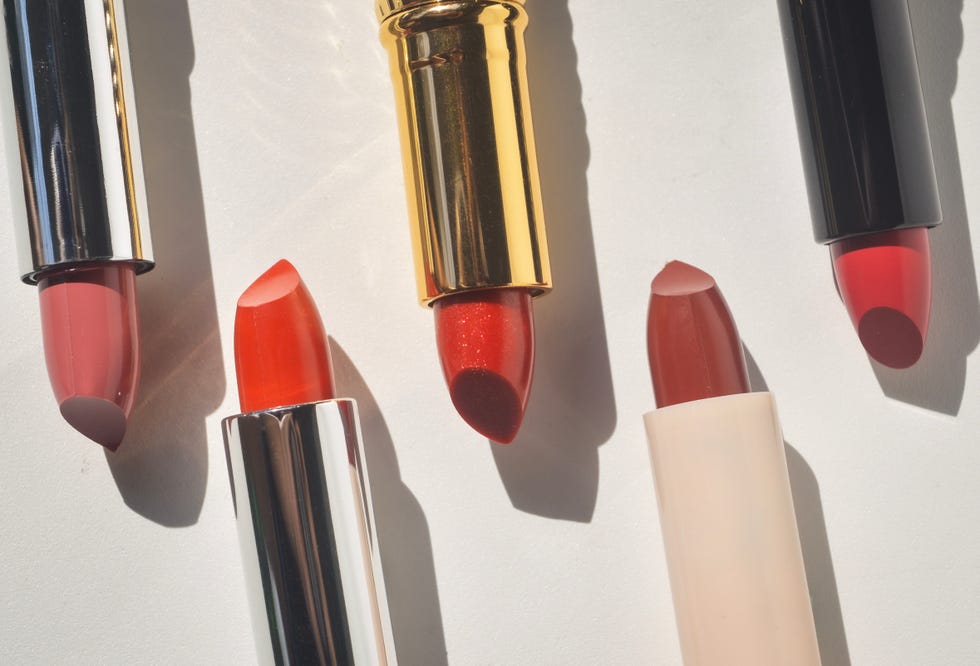
Irina Marwan//Getty Images
When you put on lipstick, you probably just like the way it makes you feel and not because you want to make a statement; however, that wasn’t always the case. “During World War II, women in the United States were encouraged to keep wearing lipstick,” says Nechami Tenenbaum, makeup artist and CEO of Defiance Beauty. “A bold red lip became a symbol of resilience, femininity and national pride.”

Casey Clark is a freelance consultant who is interested in beauty, health, and style-related commerce content. She learned from Hofstra University with a degree in journalism. Her work has been published in Women’s Health, Better Homes & Gardens, and more.