Getting started in the gym or getting back to it after some time can feel a little daunting for many of us. I remember my very first time in the gym asking myself, “How does that machine work?” and “What exercises should I do first?” Part of me didn’t care, and I suppose another part of me wanted to look like I knew what I was doing, but I was more like a little fish out of water. Thankfully, like many things in life, it just requires getting over that hump and learning and making progress over time. One day, that hard work pays off, and you’ll feel stronger, and your workouts will go smoother. You might even feel like Arnie, pumping serious iron.
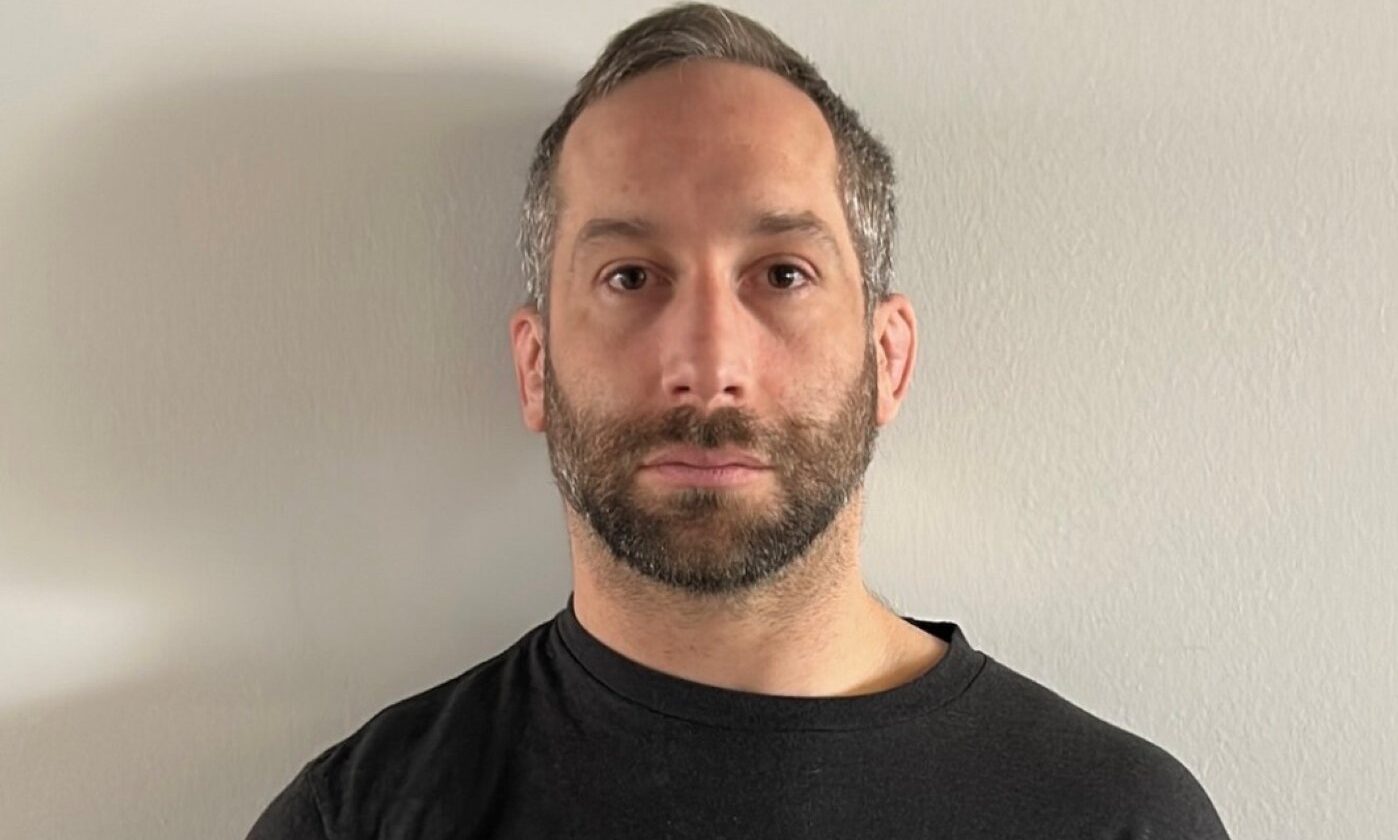
I gathered expert weightlifting tips for beginners to get started from fitness buff Noah Tenenbaum, a Product Analyst for Rep Fitness with an MS in Physiology. I asked Noah to share his insight on how to start building muscle safely and overcome intimidation at the gym.
The biggest beginner tips and mistakes to avoid
Noah Tenenbaum / Noah Tenenbaum
The Manual: What are the biggest mistakes beginners make when starting out, trying to build muscle?
Noah Tenenbaum: Focusing too much on “Show” muscles, instead of building all muscles. Your legs have the largest muscle groups of your body, and they can help promote the most beneficial endocrine response when trained.
TM: Newbies often report feeling overwhelmed by all of the equipment. What’s the best way to overcome that, and what exercises or movement patterns should be the focus at first to build that solid foundation?
Noah Tenenbaum: Now there are so many apps and resources compared to 20 years ago. My favorite resource is a book called “New Functional Training for Sports” by Mike Boyle. The information in this book is super applicable to all levels of training. Focusing on single-leg lower-body movements is challenging and a great skill to build on.
TM: What’s the best way for beginners to avoid injury?
Noah Tenenbaum: Don’t try to be a hero. Just lift for yourself and make small jumps in weights. Lifting weights should be seen as a lifelong journey and not a sprint.
The importance of progressive overload and proper form
Ivan S / Pexels
TM: How important is progressive overload for muscle growth?
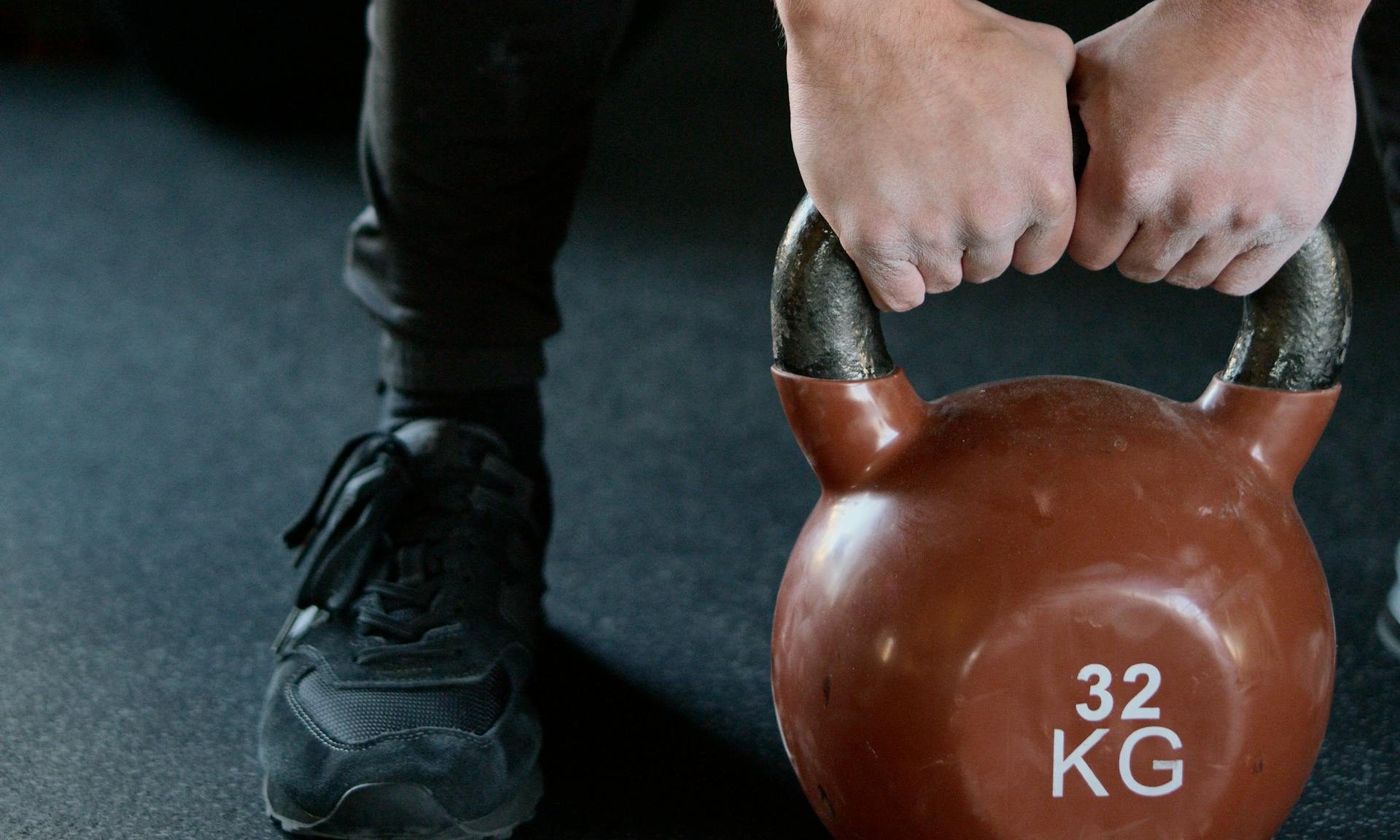
Noah Tenenbaum: It’s the only way to gain muscle. Your body will adapt to the demands you place on it. You need to consistently challenge the systems to continue adaptations. Doing this with small increments can be a great way to make your body stay healthy long term. Going too heavy can require extra time to rest. I prefer maintaining consistency with moderate loads.
TM: How important is proper form, and how do beginners know when they’re performing an exercise safely and correctly?
Noah Tenenbaum: It’s very important to ensure the intended muscles are being targeted. There’s some concern for injury, but if loads are light, you just won’t get the “gains” you’d like to see when the intended muscles are not feeling the loads.
Rest days, recovery, and nutrition basics

Monica / Pexels
TM: What about rest days, sleep, and recovery?
Noah Tenenbaum: Rest days are going to be very dependent on a lot of factors. One or two days a week can suffice. Everyone should target eight or nine hours of sleep a night. Sleep is one of the most important factors for recovery and the ability to adapt. After proper sleep, foam rolling, and tense muscles are a good place to start for recovery.
TM: What are the most important nutrition basics beginners should know to complement weightlifting and support muscle growth? This is a big topic, but could you give us a brief overview here?
Noah Tenenbaum: Learning what proteins, carbohydrates, and different types of carbs are, and the different types of fat. As well as learning to cook, and meal prepping your own meals. These don’t need to have a ton of planning, just knowing where your next meal is coming from, and knowing how it was made can help keep excess and hidden calories from being consumed.
What’s so intimidating about the gym?

Ivan S / Pexels
TM: The gym can be intimidating, especially for first-timers or for those who haven’t been in a while. What do you think men are actually afraid of, and what do beginners usually get wrong about the weight room?
Noah Tenenbaum: There are lots of guys in the gym who are trying to out-alpha each other and mean mug everyone while they lift. Most gyms want you to be there, since you’re their customer. Most of the people in the gym are not actually as mean as they’re trying to look, and if they are, you’re also a customer, and the business likely doesn’t want someone driving business away.
TM: When did you first start weightlifting? Could you share more about your fitness story?
Noah Tenenbaum: I started weightlifting when I was in grad school, working with Olympic Sports at the University of Florida. I started lifting weights consistently during undergrad and studying Exercise Science. I was very interested in how you can augment sports performance with lifting and trying to figure out how to blend the two. I definitely spent too much time and effort on trying to be “optimal” rather than just being consistent.
How long does it usually take to start seeing results?
Frame Kings / Pexels
TM: How long does it take for beginners to start seeing results when they stay consistent?
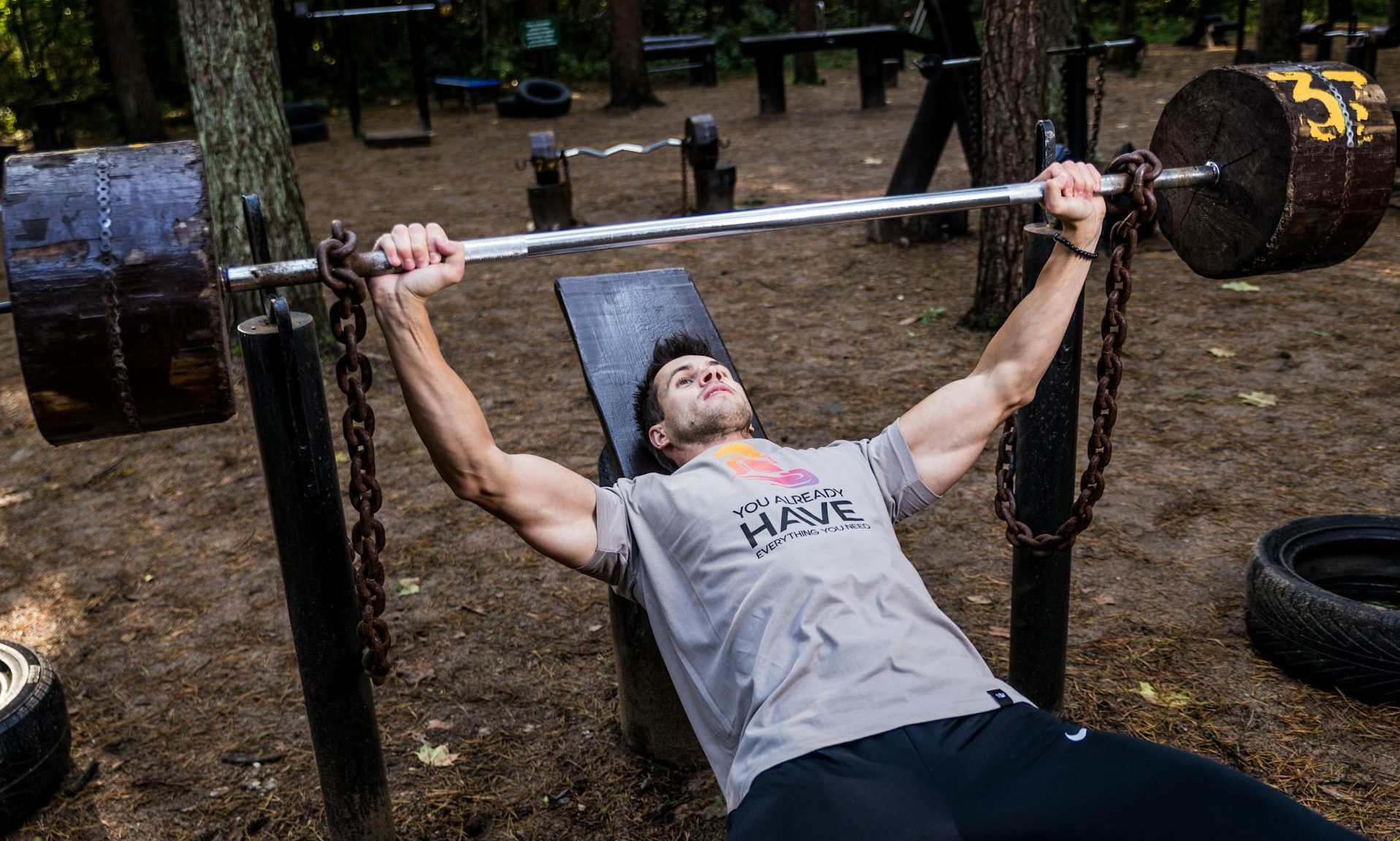
Noah Tenenbaum: This will depend on how many lifestyle changes are being implemented, and how each person’s genetics are. It will be different for everyone, but diet is usually the piece that can help show results the quickest. Growing muscle takes a long time, volume, and consistency. If someone is sleeping enough, eating right, and lifting consistently, this is the best way to see results, no matter their genetics.