When you buy through links on our articles, Future and its syndication partners may earn a commission.
Credit: Shutterstock
I started 2026 with the aim of doing core workouts at least twice a week, and I’ve fallen well short of that goal so far, but every day is a new chance to get my training routine on track. I’ve lined up some shorter core sessions for the coming weeks to try and get myself back on track.
My main goal with these workouts is to support my running by strengthening my deep core muscles and building stability that helps me maintain my running form deep into long races like marathons.
That’s one reason why I love Pilates, because it’s great for building that deep strength and endurance in your core muscles, and it doesn’t require a super-long workout to do it.
This 10-minute workout from Pilates instructor Move With Nicole is ideal for building the kind of strength and stability I’m after. All you need for the workout is a Pilates or yoga mat and space to stretch out your arms and legs, including to the sides.
Watch Move With Nicole’s 10-minute Pilates workout
Nicole does the workout with you and gives instructions and pointers via a voiceover, so you can follow her movements even if you can’t always see your screen during an exercise.
The workout is a fast and effective way to work on improving your core and glute strength, and I’d say it’s suitable for most fitness levels, though if you’re a Pilates beginner, you might need to take some extra breaks.
I did the session one lunchtime before my run; here are my main takeaways.
You get straight into it 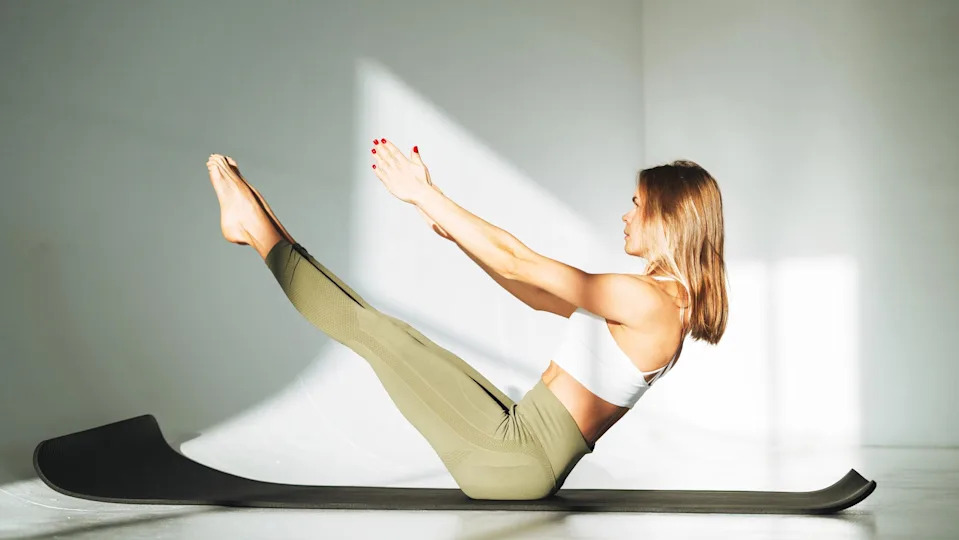
Credit: Shutterstock
With only 10 minutes of training time, it’s no surprise that there’s very little warm-up with the workout, and before you know it, you’re into a set of the Pilates hundred.
This is one of my favorite exercises for the core, and it really tests your endurance, so having it at the start of the session gets the abs burning straight away.
The workout focuses on two main areas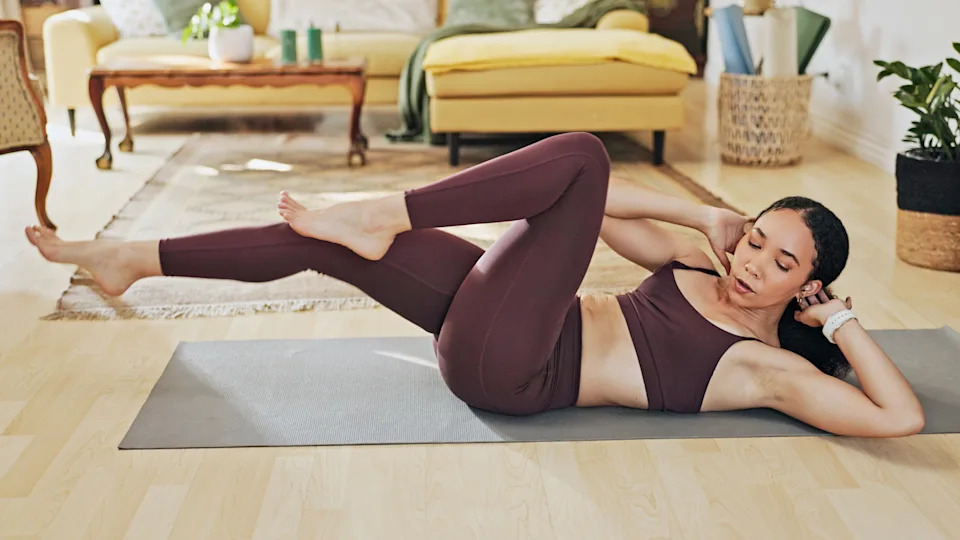
Credit: Getty Images/LumiNola
Once again, because the training time is limited, the workout is designed to go deep on two areas rather than spread the work thinly around lots of muscle groups.
You start with a long set of core-focused moves to work the upper and lower abs, with some work on the obliques, then go into two sets of work on your glutes, doing each side in turn.
This does mean some areas of your body get off lighter than they would with a longer Pilates workout, but it also means the session is more effective at working the target areas.
Focus on your breathing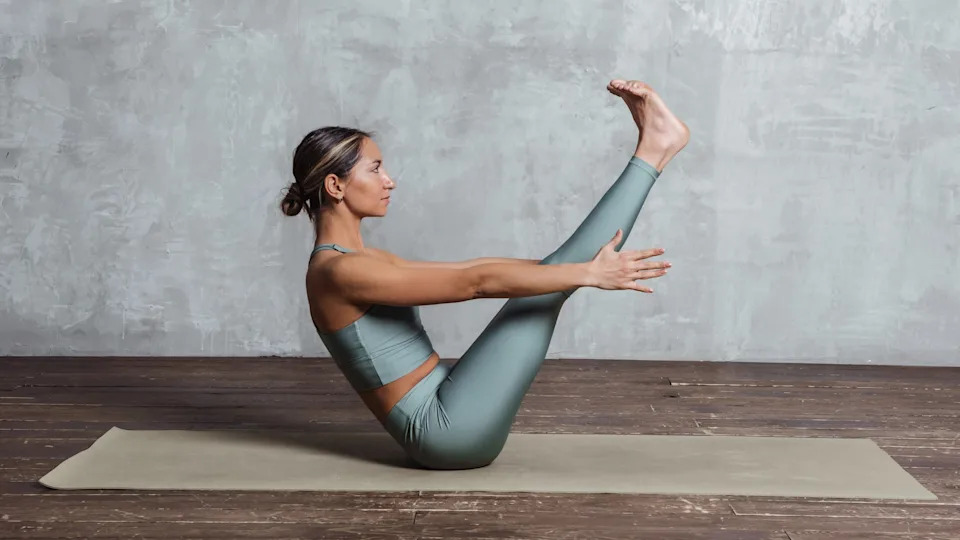
Credit: Getty/Alexandr Dubynin
You should always be aware of your breathing during Pilates and time your movements with inhales and exhales to make them more effective, and also make the harder parts of the exercises feel a bit easier.
Nicole guides you through when to breathe in and out with each exercise, and focusing on that will not only improve your workout, but I find it can distract you from the burning in your muscles.
The workout build tensions throughout each set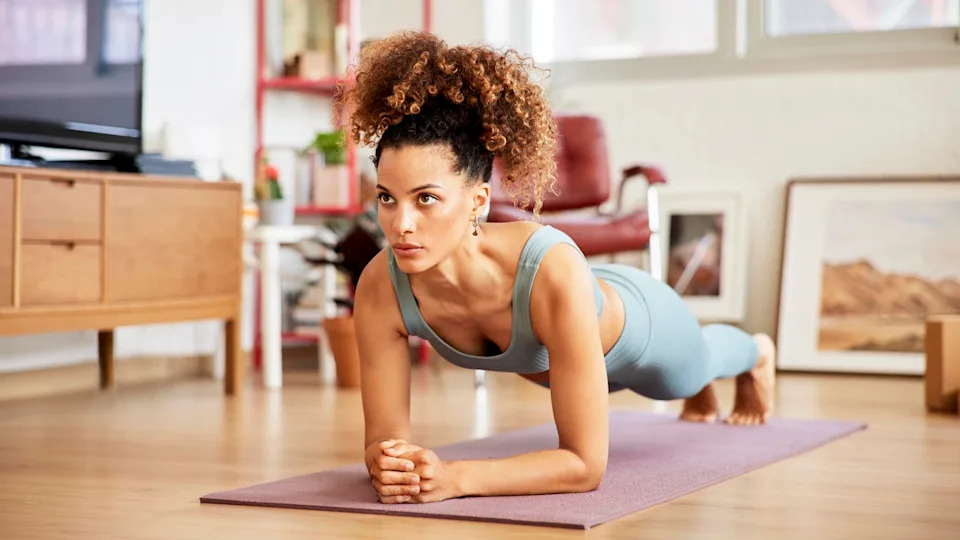
Credit: Getty Images/Morsa Images
Rather than a traditional workout structure with work and rest periods, this session involves layering moves on top of each other to increase the difficulty over time.
That means when you start a set, the first movement might feel quite easy, but don’t be fooled by this, as you’ll be increasing the challenge of the exercise by adding to or changing the movement to target the same muscles over time, without any breaks.
I find this approach great for building core strength and endurance for my running, and it also means that during the 10-minute session, there’s minimal time spent resting, so you achieve more in the short time you have to train.
Looking for more fitness ideas?
Follow Tom’s Guide fitness below!
More from Tom’s Guide