Seoul. Fatty liver disease is increasingly affecting individuals who do not consume alcohol. A new study by a team of experts has found that a common nutritional supplement is highly effective in treating fatty liver disease.
The liver is one of the organs most affected by disruptions in lifestyle and diet. It is a vital organ for our body. It helps remove toxins, maintain metabolism, and increase nutrient absorption. Therefore, any problem appearing in this organ can have harmful effects on the entire body.
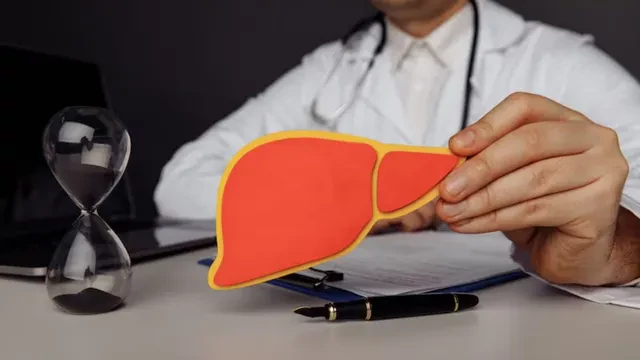
Medical reports also indicate a global rise in patients suffering from fatty liver or fat accumulation in the liver. Everyone from children to the elderly is affected. While alcohol causes the most damage to the liver, the risk of fatty liver is also seen in non-drinkers. This condition is called Non-Alcoholic Fatty Liver Disease (NAFLD).
However, experts have discovered an effective way to treat it. Researchers at Ulsan National Institute of Science and Technology in South Korea conducted a study to understand this.
Symptoms of Fatty Liver
Loss of appetiteUnexplained weight lossNumbness in hands and feetJaundiceAbdominal painFatigue
Researchers found that a small molecule called microRNA-93 plays a major role in this disease. MicroRNAs are small molecules that control how genes work. Levels of microRNA-93 are significantly high in people with fatty liver. Experts suggest that a common nutrient, Vitamin B3, may be beneficial for those suffering from this condition. In the study report published in the Metabolism journal, researchers concluded that increasing the amount of Vitamin B3 in the diet may provide relief from this condition.
Studies Also Conducted on Mice
The study found that microRNA-93 plays a significant role in exacerbating liver health problems by suppressing a beneficial gene called SIRT1. When SIRT1 cannot function properly, fat begins to accumulate in the liver. This leads to inflammation, scarring, and a decrease in the liver’s functional capacity. To reduce the problem of fatty liver, scientists used gene editing techniques to lower microRNA-93 levels in mice.
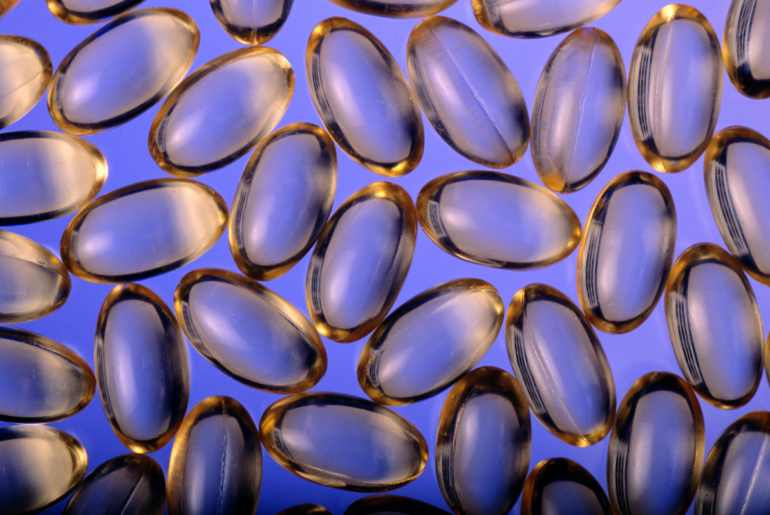
The results were impressive. Over time, the accumulated fat in the mice’s livers decreased, insulin sensitivity improved, and overall liver health improved. The most exciting finding came when researchers tested 150 currently available drugs. They discovered that Vitamin B3 (Niacin) was the most effective in reducing microRNA-93 levels. In mice given Vitamin B3 supplements, Niacin restored SIRT activity and improved fat metabolism in the liver.
Experts believe that a diet rich in Vitamin B3, or supplements if necessary, could be a new and affordable treatment option for patients with fatty liver disease. However, further studies are needed to confirm its effectiveness in treating fatty liver. More studies are necessary.