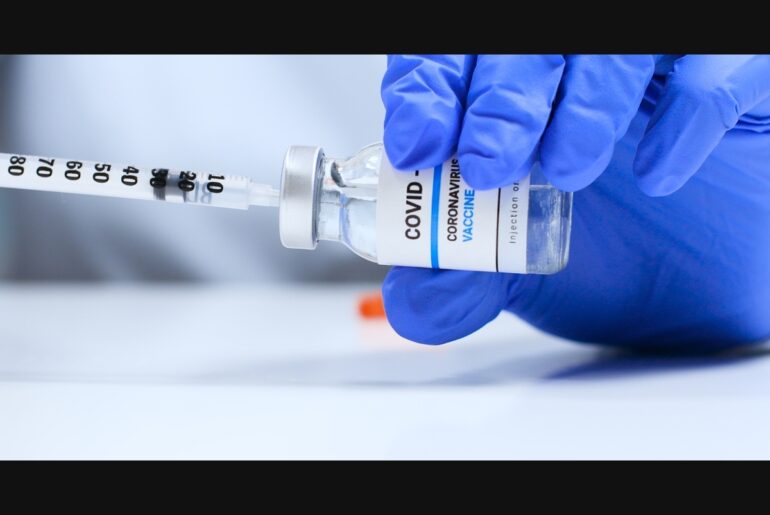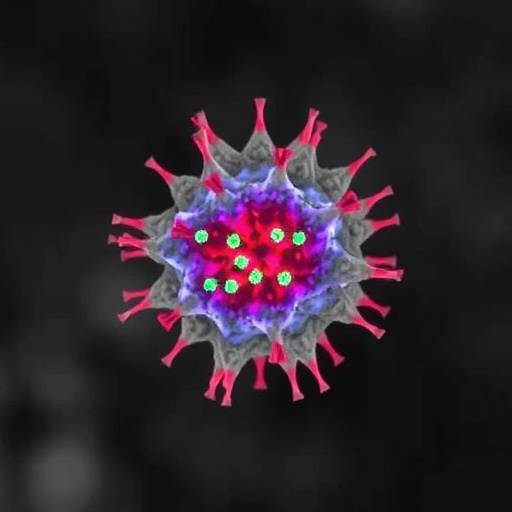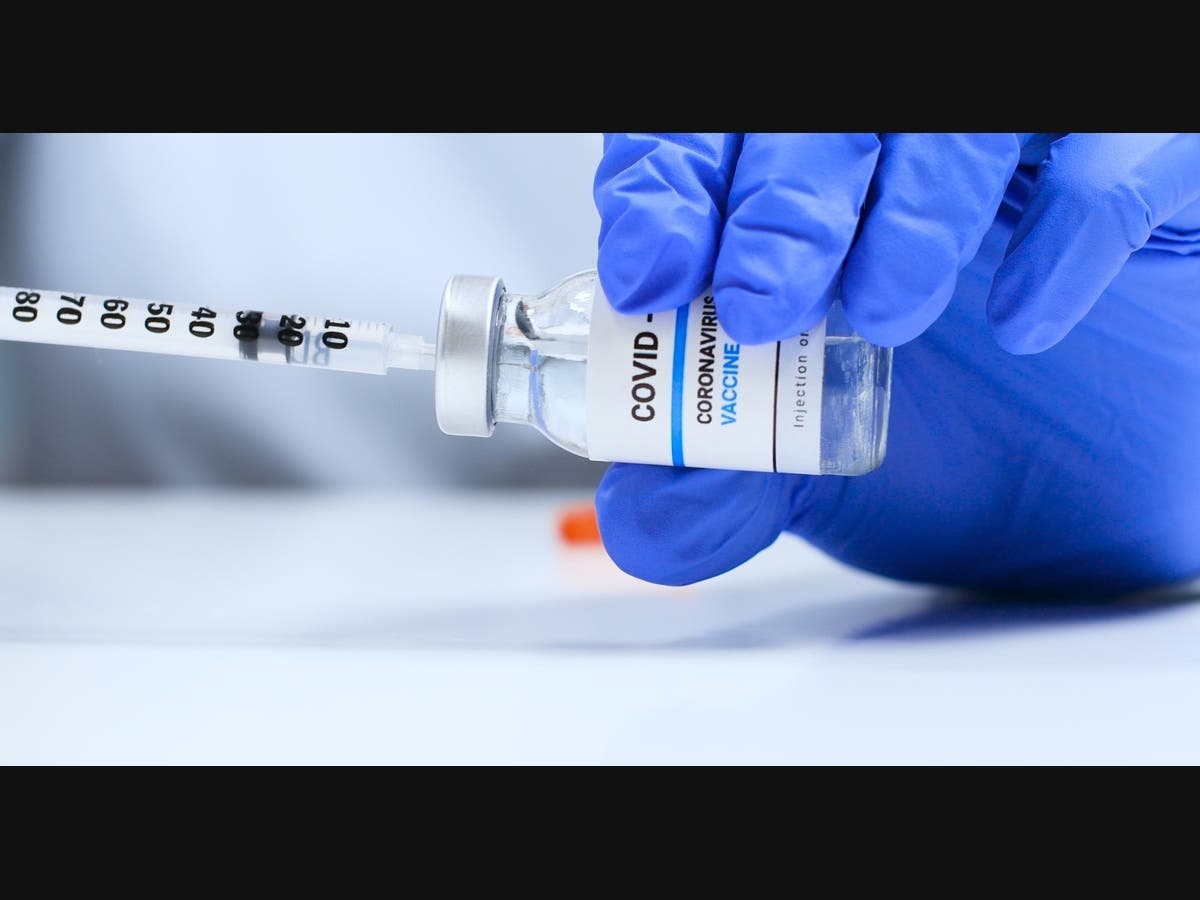
SAN FRANCISCO, CA — A mutated variant of the COVID-19 virus that can hide from vaccinated and previously infected individuals that was first detected in the United States in a Bay Area traveler has since spread across the country, according to a federal study.
Known as the COVID-19 BA.3.2 variant, it stands out from previous variants because it’s makeup is”substantially” different with about 70-75 mutations, according to the U.S. Center for Disease Control and Prevention. So far, it’s not proving to be more virulent than previous variants. It causes the familiar cold-like symptoms.
Currently it’s being detected in wastewater samples up and down the Golden State. The U.S. Center for Disease Control and Prevention released a report this month on the COVID-19 BA.3.2 variant and how it can hide from immune cells.
The first U.S. case of the variant was found on June 27, 2025 at San Francisco International Airport in a traveler from the Netherlands by the CDC’s Traveler-Based Genomic Surveillance program. The variant has been spreading in California since that time, wastewater data shows.
The COVID-19 BA.3.2 variant has been reported in 23 countries as of Feb. 11 with detections steadily increasing since September 2025, the CDC reported.
“BA.3.2 mutations in the spike protein have the potential to reduce protection from a previous infection or vaccination. Continued genomic surveillance is needed to track SARS-CoV-2 evolution and determine its potential effect on public health,” the CDC report stated.
The spike protein is the primary target of neutralizing antibodies generated from a previous infection or COVID-19 vaccination.
According to the CDC, the BA.3.2 strain has approximately 70 to 75 mutations in its spike protein compared to recent strains. While some of these changes could potentially allow it to partially bypass immunity from vaccination or prior infection, scientists caution that it is too soon to determine the real-world implications of these mutations.
In the U.S., evidence of the variant has been found across 25 states, including 132 wastewater samples, according to the CDC.
Nationally, it is currently testing at high rates at 31 wastewater collection sites, at medium rates at 35 sites and at low rates at 58 collection sites. There are no sites with zero levels of the BA.3.2 strain detected, according to current wastewater data.
Although current wastewater data indicates relatively low levels of the COVID-19 virus in much of California, there could Be an increase in spring, according to Dr. Monica Gandhi, an infectious disease expert at UC San Francisco, who told SF Gate she has observed an increase in patients testing positive during routine screening.
Already, the variant is beginning to show up in wastewater at elevated levels in the Golden State’s Turlock area.
More California News: