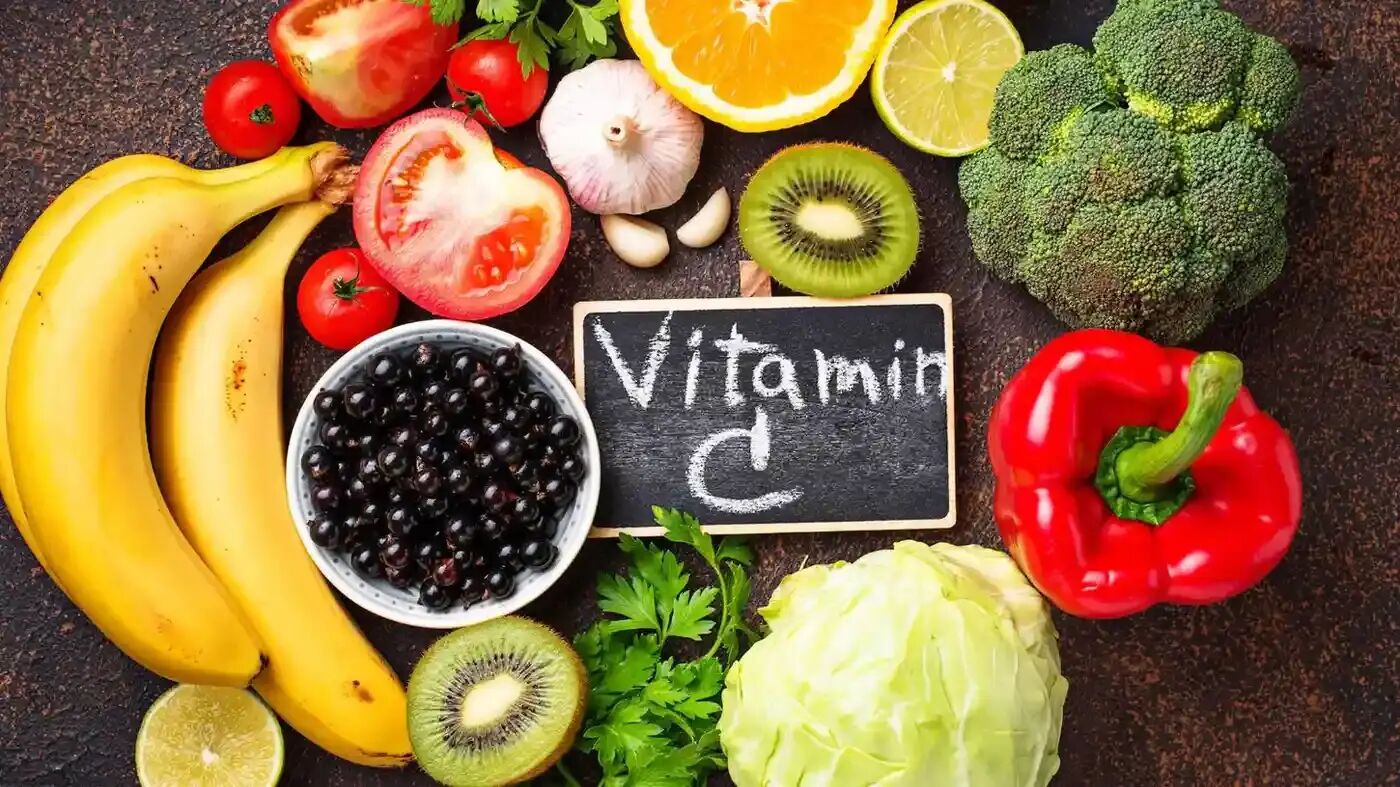
Hyderabad: Vitamin C, also known as ascorbic acid, has long been celebrated for its crucial role in maintaining good health. Nutritionists and health experts stress that this water-soluble vitamin is vital for a robust immune system, healthy skin, and overall wellbeing. Its importance becomes particularly prominent during cold seasons and periods of high stress.
Medical research has shown that Vitamin C contributes significantly to the production of collagen, a protein that supports skin, cartilage, and bones. It also acts as a powerful antioxidant, protecting cells from damage caused by free radicals. According to recent studies, regular intake of Vitamin C may reduce the duration and severity of common colds and promote faster recovery from illnesses.
Vitamin C is naturally present in many fruits and vegetables. Citrus fruits such as oranges, lemons, and grapefruits are among the most well-known sources. Other fruits, including kiwis, strawberries, and guavas, offer substantial amounts of the vitamin. Vegetables such as bell peppers, broccoli, Brussels sprouts, and spinach are also excellent options for those aiming to meet daily requirements.
While obtaining Vitamin C from natural food sources is ideal, supplements have become a convenient alternative. Vitamin C tablets or capsules are often used to prevent deficiencies, particularly in individuals with limited access to fresh produce or those with higher nutritional needs. However, experts caution against excessive consumption, as high doses can lead to digestive disturbances.
Health authorities recommend a daily intake of around 75 mg for women and 90 mg for men, although needs may vary with age, lifestyle, and health conditions. Incorporating a mix of Vitamin C-rich foods into daily meals can help maintain optimal levels without relying solely on supplements. Smoothies, salads, and fresh fruit snacks are practical ways to increase intake naturally.
Beyond immunity, Vitamin C supports heart health by improving blood vessel function, aids in wound healing, and enhances iron absorption from plant-based foods. Its antioxidant properties are also linked to reduced risks of chronic conditions, including heart disease and certain cancers.
Nutritionists emphasise that a balanced diet remains the most effective way to reap the benefits of Vitamin C. Whole foods provide not only the vitamin itself but also complementary nutrients, fibre, and phytonutrients that supplements alone cannot replicate.