Everyone sweats, yet no one talks about it. But, as Bivash Dasgupta, an R&D manager at Unilever, explains, it’s a normal part of your body and you “sweat to maintain your body temperature and help cool you down.”
Still, knowing it’s normal doesn’t make it any less frustrating if it shows up at the wrong time. You may not be able to stop sweating completely, but Degree has 12 tips to manage sweat so that you don’t feel damp all the time.
Why you might be sweating more than usual
First, it’s important to understand what’s going on.
Not all sweat is the same. Matt Annecharico, an R&D scientist at Unilever, explains that there are two types of sweat: “one that is watery and occurs all over the body, and the second type, found in areas such as the groin and underarms, which is an oily sweat. This oily sweat is the main contributing factor to body odor.”
There are also two types of sweat glands behind this. Eccrine glands produce that watery sweat. They mainly kick in when you’re hot. Apocrine glands, on the other hand, are triggered by things like stress or emotions. This thicker, oilier sweat may cause odor when it mixes with skin bacteria. That’s also why you can sweat even when you’re not hot.
 Degree
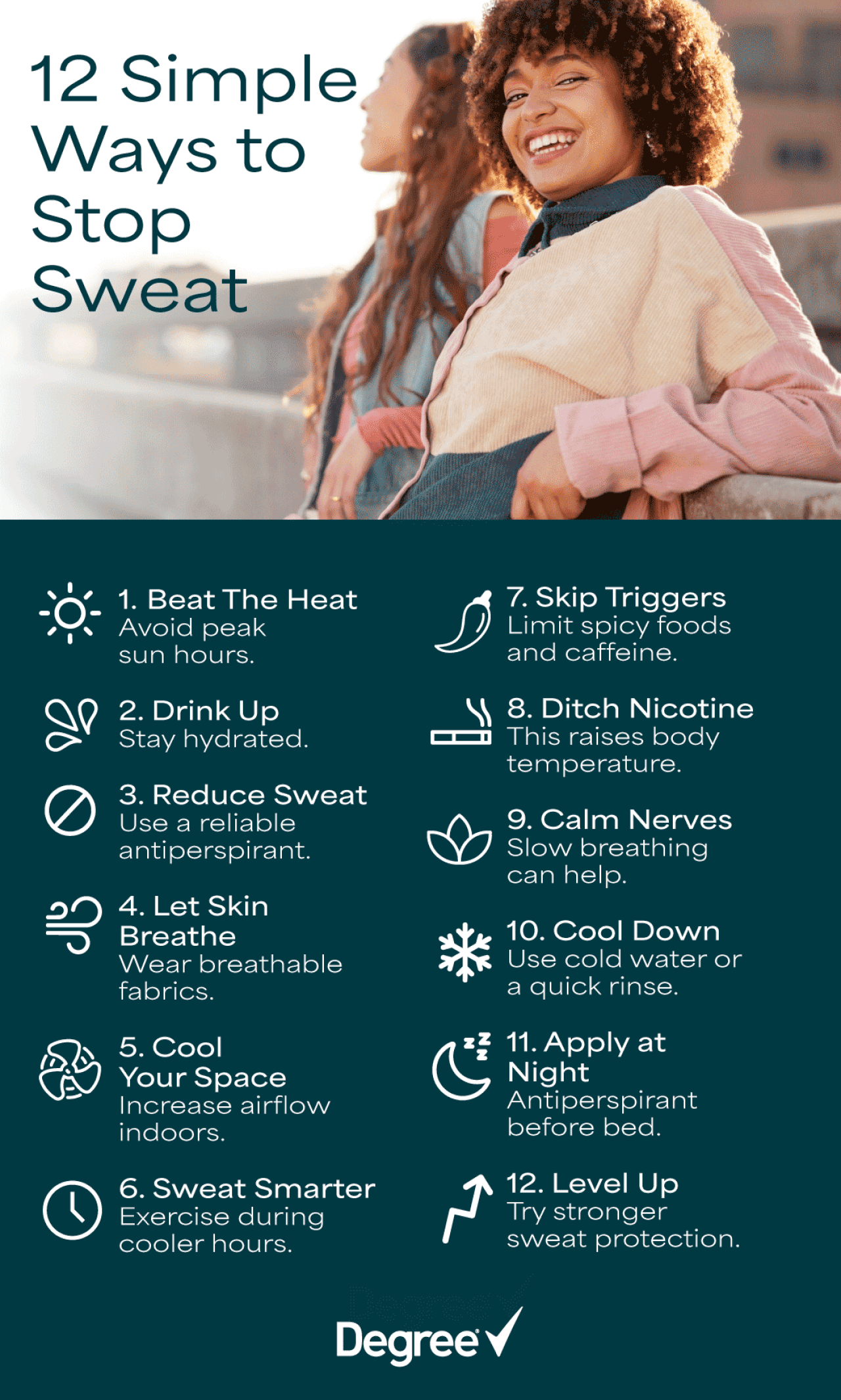
12 simple ways to stay cooler and sweat less
Small, practical changes can make a big difference.
1. Work around the hottest times of the day
If heat is the biggest instigator of your sweat, plan your day around the hottest times, typically midday to midafternoon. This is when your body has to work the hardest to stay cool.
2. Drink more water than you think you need
Staying hydrated has many benefits, but it also helps regulate your internal temperature. If you’re not drinking enough, your body heats up faster, making you sweat more. Some drinks, like caffeine and alcohol, dehydrate you, so stick to water where you can.
3. Apply an antiperspirant for extra protection
If your deodorant isn’t cutting it, it may be time to upgrade to an antiperspirant. A deodorant helps fight odor, but an antiperspirant helps reduce the amount of sweat. If you want to stay dry, apply your antiperspirant to clean, dry skin.
4. Choose lightweight, breathable fabrics
Your clothes can directly impact your sweat levels. Cotton, loose fits, and moisture-wicking fabrics allow your sweat to evaporate quickly and keep you cool. Tight-fitting, synthetic clothes can have the opposite effect.
5. Cool down your space, not just yourself
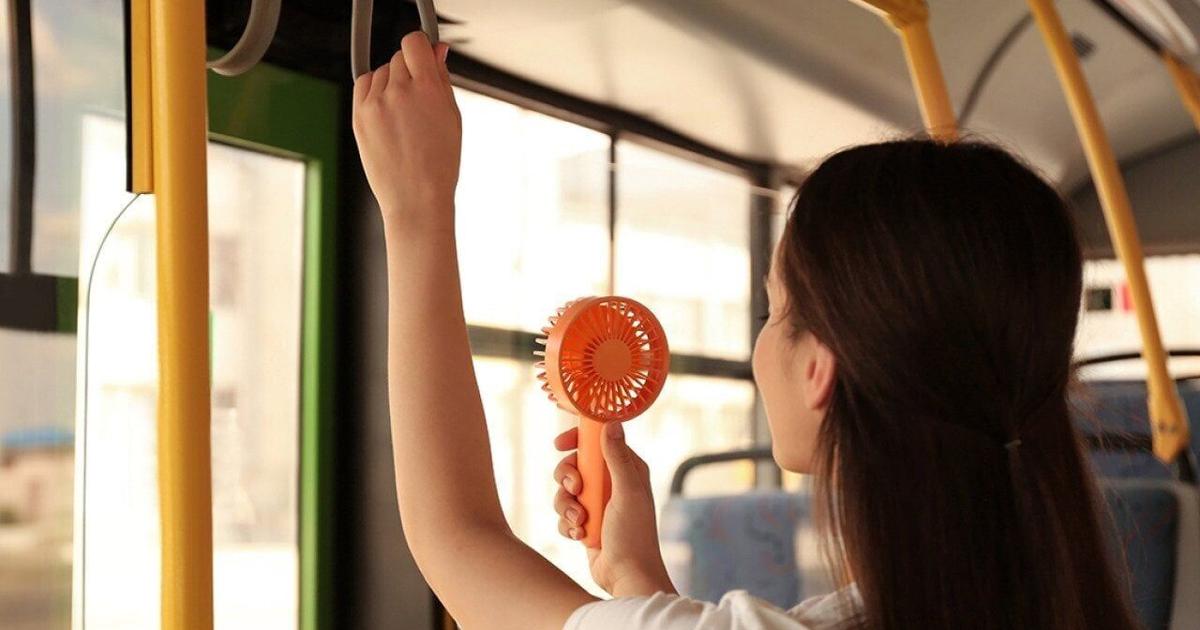
If you’re in a cooler environment, your body doesn’t have to work as hard to stay regulated. Close curtains or blinds during peak hours and open windows when the temperature drops. Fans help keep air moving, and air conditioners are great for maintaining a cool space.
6. Exercise when it’s cooler
Sweating during exercise is normal, but exercising when it’s cooler can reduce how intense it feels.
7. Watch spicy food, caffeine, and alcohol
Spicy foods can trick your body into thinking it’s overheating, causing you to sweat more. Caffeine and alcohol are also stimulants that can trigger a sweat response, so cutting back could be beneficial.
8. Rethink nicotine
Nicotine activates your nervous system, which can raise body temperature and trigger sweating. Reducing or quitting can help regulate that response over time.
9. Manage your stress levels where you can
Sweat triggered by nerves is real. David Waters, an R&D manager at Unilever, explains, “Emotional stress, anxiety, or fear can trigger the body’s fight-or-flight response, activating your sweat glands.” Help calm your body with meditation, exercise, or breathing techniques.
10. Splash your skin with water
If your skin feels cooler, your body slows down sweat production. Cool down quickly with a cold shower, a splash of icy water on your wrists, or a dip in the pool.
11. Apply antiperspirant at night
This is one of those small changes that works well. Your sweat glands are less active at night, which gives your antiperspirant time to settle in and be more effective the next day.
12. Step up to clinical strength if needed
If regular deodorant products aren’t cutting it, clinical-strength antiperspirants offer higher levels of protection under your arms. These are for heavy sweating days when you want long-lasting protection.
When sweating feels like too much
There’s a difference between everyday sweating and sweat that feels never-ending.
On average, adults can sweat around a liter a day, says Waters, but this varies between people. “Sweat volume is largely due to your age, your fitness level, and the physical activities you do.”
If you’re sweating and it feels excessive, especially in areas like hands, feet, or underarms, it could be hyperhidrosis. See a healthcare provider if you’re concerned.
For most people, though, it’s about managing triggers, staying cool, and finding a routine that’s right for you.
Your questions, answered
I’m sweating, but I’m not even hot. Why?
Your body sweats to cool you down when you’re hot. But it also sweats when you’re stressed, due to hormonal changes, because of what you eat, and how you feel.
I sweat a lot. Is it normal?
There are many factors that contribute to how much you sweat. The average adult sweats about 1 liter a day. But if you’re a marathon runner, you can sweat a lot more during a race. If your sweat feels excessive to you, it’s worth seeing a healthcare provider for advice.
Does deodorant stop sweat?
No. Deodorant’s function is to help manage body odor. Antiperspirant is what reduces sweat at the source.
This story was produced by Degree and reviewed and distributed by Stacker.