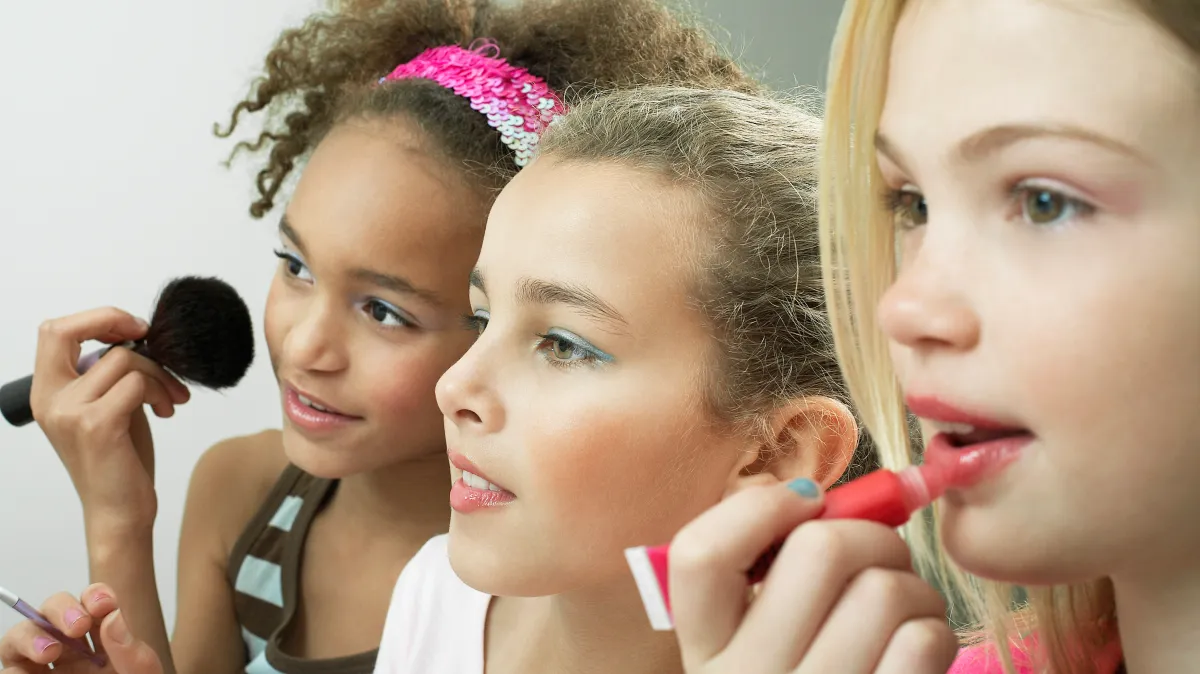
In many ways, my 12-year-old daughter’s recent sleepover at a friend’s house to kick off the Easter holidays was much like my own would have been at her age. Save for one small difference: alongside her favourite teddy bear, she also packed her silk pillowcase (to reduce wrinkles on her face — yes really) and an assortment of skincare products that included under-eye patches (designed to “hydrate, de-puff, and brighten the delicate under-eye area” according to the label). Welcome to the world of tween skincare.
I was pleased to read this week that the Italian Competition Authority has announced they are investigating Sephora and Benefit Cosmetics over their apparent use of “covert marketing strategies” to sell beauty products to young girls. Experts believe this is fuelling an unhealthy skincare fixation among minors, known as “cosmeticorexia”. This is allegedly driven by a “particularly insidious marketing strategy” that uses “very young micro-influencers who encourage the compulsive purchase of cosmetics among young people, a particularly vulnerable group”.
Parenting newsletter
Join our community receiving professional advice and sharing personal stories.
Sign up with one click
In 2024 Artemis Patrick, the chief executive of Sephora North America, stated that the company “do not market to this audience”, and after the recent announcement LVMH, the French luxury group which owns both Sephora and Benefit, said it would “fully co-operate with the authorities”.
I know from experience the power of TikTok peer pressure. Most tween and teen girls I know (my two daughters, 15 and 12, included) are encouraged to buy whatever they see on their feeds. Beautiful, hypnotic influencers tell them about elaborate skincare routines that include retinol and hyaluronic acid, which is often too harsh for their delicate young skin. They’re encouraged to try contouring, to buy rose quartz facial rollers and single-use face sheet masks. They’re told how to buy expensive setting spray to keep their (even more expensive) make-up in place. These kids ask for dressing tables with vanity mirrors complete with Hollywood lights for their birthday, which then groan under the weight of the products they beg their parents to buy them but do not need.
As anybody who has brought up a teenager will tell you, if all their friends are buying something — a phone, a clothing label, certain trainers — it’s hard to be the only parent who says no. Although I do draw the line at certain products, either due to their cost or ingredients.
I wrote before in this newspaper how my elder daughter, who was 13 at the time and turns 16 this summer, spent more on her skincare than me. But as her younger sister and her peers show, the trend is trickling down to an ever-younger age group.
Recently a friend told me that her 15-year-old daughter had gifted her 8-year-old sister a Glow Recipe toner, a firm favourite among tweens worth £32. Now all her friends want one.
Last November the US skincare brand Rini was criticised for marketing sheet face masks to young children and toddlers with the explanation that “Rini isn’t about beauty, it’s about self-care”. Rini’s founder, the actress Shay Mitchell, defended the line by stating: “Rini isn’t about beauty, it’s about self-care, about teaching our kids that taking care of themselves can be fun, gentle, and safe”, and said it was designed as a response to children’s curiosity about adult skincare routines.
In the UK, meanwhile, the children’s toy shop The Entertainer was recently challenged on social media for selling skincare by Sol Beauty aimed at its young customers. The shop, which my children haven’t been in since they were about eight years old, now sells serums and oils, which are found nestled among the arts and crafts and Lego sets under a sign that promises, “4 steps to a natural glow up”. A spokesperson for The Entertainer said: “Following feedback from some customers, we are undertaking additional review processes with all our suppliers of skincare products.”
Whose fault is all of this? The big brands and stores aiming their products at young children? The influencers who should know better or the tech giants who fail to regulate them? Or parents like me who give in to pester power and allow their children to buy into this nonsense? Perhaps all of us.
Either way, this Easter break, I’m hoping that my daughter will spend a little less time on social media and a lot more time riding her bike, playing football and not worrying one jot about her skincare routine.