Metro Creative
These strategies can help time-pressed adults incorporate more physical activity into their daily routines and lay a foundation for a long and healthy life.
Physical fitness is one of the keys to a long and healthy life.
The Centers for Disease Control and Prevention note that routine physical activity helps people maintain a healthy weight, reduces a person’s risk for chronic health problems like cardiovascular disease and type 2 diabetes, and strengthens bones and muscles, which can help aging adults overcome age-related reductions in muscle mass and strength and reduce their risk for falls.
People have much to gain from incorporating exercise into their daily routines. But many adults are not reaping those rewards, and studies indicate sedentary lifestyles are on the rise.
A 2024 study published in the journal The Lancet Global Health noted that 31% of the world’s adult population was physically inactive in 2022, which marked a 5% increase since 2010. And a recent report from the U.S. Department of Health and Human Services and the United Health Foundation found that roughly one in five adults get no physical activity beyond their regular job.
The Heart Foundation notes lack of time is often cited as an excuse for not exercising, and that’s a legitimate hurdle for many professionals. Indeed, a 2026 report from Monster indicated that 73% of workers report regularly working more than 40 hours per week and 4% cite employer expectations or company culture as their top reasons for overworking. While professionals in such situations may find it challenging to overcome a lack of time to exercise, the following strategies may be just what people need to incorporate physical activity into their daily routines.
• Drive less. Driving is undoubtedly convenient, particularly for people who feel they’re continuously pressed for time. But leaving the car behind and walking or cycling to run local errands is a simple and enjoyable way to incorporate physical activity into your daily routine. Parents can walk children to the bus stop or their school in lieu of driving. Adults also can try walking to a local coffee shop near their home or office in lieu of driving to get their morning cup of Joe.
• Break up workouts. WHO guidelines recommend adults between the ages of 18 and 64 get at least 150 minutes of moderate-intensity physical activity or 75 minutes of vigorous physical activity each week. The WHO also recommends muscle-strengthening activities two or more days per week. That can seem daunting to adults pressed for time, but workouts can be broken up throughout the day. A pre-breakfast strength training session at home may only require 20 minutes, and that night adults can go for a jog or a brisk walk around their neighborhood.
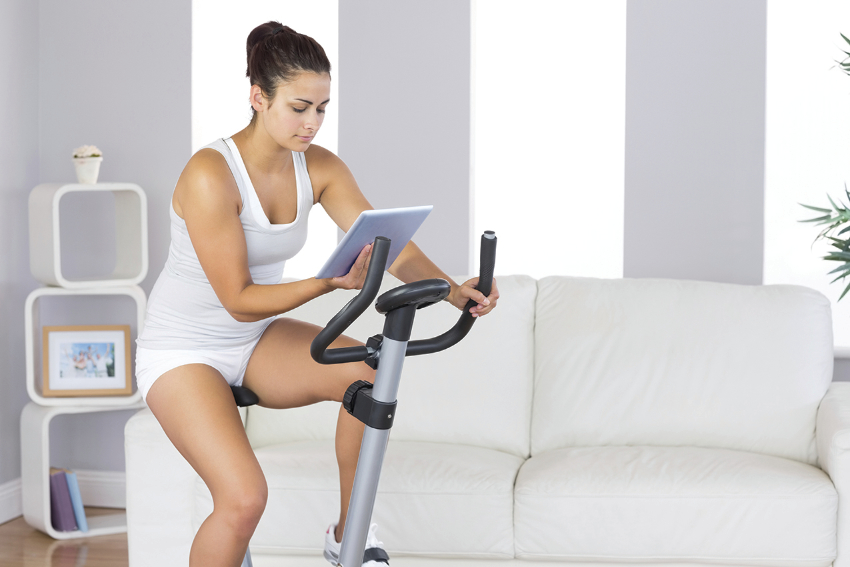
• Workout while watching television. Adults who like to unwind at the end of the day by watching their favorite television shows can use that time to exercise without giving up their entertainment. Invest in a treadmill or elliptical and turn television time into a time to break a sweat as well. Watching a 30-minute episode of a favorite TV show while on a treadmill or elliptical can help adults meet WHO physical activity guidelines without requiring them to sacrifice their preferred way to unwind.
DEAR DR. ROACH: I’m a 73-year-old man who had worn glasses since the age of 12 until a successful laser surgery …
DEAR ANNIE: I’ve been married to my husband for six years, and for the most part we have a happy, peaceful life …
DEAR HELOISE: Arthritis and stiff fingers can make fastening buttons a daily struggle, but one of my friends …
Youngstown State University’s Wellness for Life Speaker Series will present “More than Teeth: The Hidden Power …