We are living at breakneck speed in an increasingly frantic world. It’s no wonder that, for many of us, constant exhaustion has become the new normal.
It is a far more pervasive issue than we might realise; in today’s society, the relentless mental load and the pressure to be everywhere at once can completely drain our energy reserves and leave us unable to bounce back.
“Fatigue is defined as a feeling of extreme tiredness, a total lack of energy and, quite literally, exhaustion,” explains pharmacist Meritxell Martí. “Sometimes, even a good night’s sleep isn’t enough to help us recover, and this lethargy begins to seep into every aspect of our daily lives.
“While we all experience varying degrees of tiredness, it is important to distinguish this from chronic fatigue, which is a clinical condition requiring medical intervention.”
Fortunately, there are several lifestyle adjustments and home remedies that can help lift the fog of daily exhaustion.
 © Getty Images/iStockphotoThere are different types of tiredness, each with a different set of possible causes
Do you have physical, mental or emotional fatigue?
Sure you feel tired, but does your exhaustion go deeper than that? There are certain signs that can help you determine which type of fatigue you are suffering:
Physical Fatigue: Your body feels heavy, your muscles feel weak and even slight movements or physical exertion feel like an uphill struggle.
Mental Fatigue: You find it difficult to concentrate, feel mentally drained, apathetic and find it hard to engage with tasks.
Emotional Fatigue: Closely linked to stress and depression, this often manifests as a sense of being overwhelmed or unable to cope with the sheer volume of daily responsibilities.
According to Martí, fatigue can strike at any time of life, but our ability to switch off and recover does evolve. “Often, it is down to age; as we get older, we are more prone to extreme fatigue simply because our metabolism begins to slow down.”
 © Getty Images/iStockphotoIn today’s fast-paced world, poor sleep hygiene and daily heightened stress are common causes of fatigue
The most common reasons why you’re always tired
To tackle the slump, the expert advises us that we first need to identify the culprits. Common causes include:
Poor sleep hygiene, that is, not getting enough quality rest.
Extreme stress: Living in a state of high anxiety or nervousness for extended periods.
Nutritional Deficiencies: Low levels of certain essential nutrients, particularly iron, magnesium, vitamin D, or B vitamins (especially B12).
Underlying Health Issues: Chronic illness, persistent infections, difficulties with physical movement or the side effects of long-term medical treatments.
Hormonal Imbalance or conditions such as hypothyroidism or adrenal dysfunction.
Lifestyle Factors: An unbalanced diet or over-reliance on caffeine and alcohol.
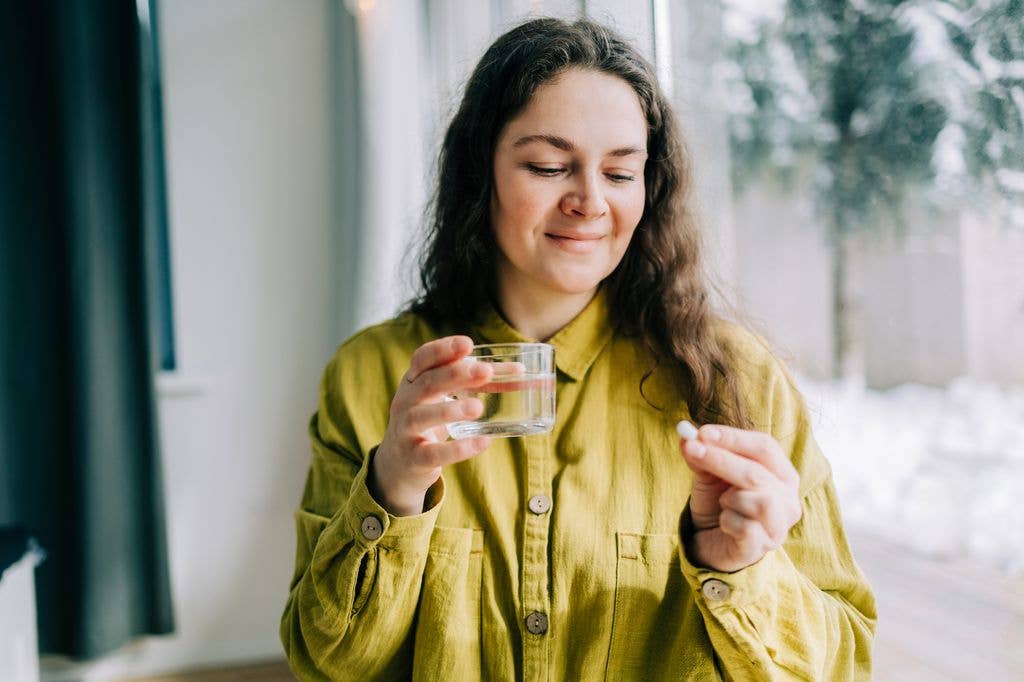 © Getty ImagesThere are so many supplement options – which one is right for you?
12 best vitamins and supplements to combat low energy
If you are looking to bolster your routine, the pharmaceutical expert suggests the following supplements may help:
Vitamin C: “My advice is to add Vitamin C supplements, one to two grams daily, if you’re feeling particularly run-down. You can also boost this naturally by increasing foods rich in Vitamin C in the diet, such as citrus fruits.”
Coenzyme Q10: This helps cells produce energy and mops up free radicals caused by stress. It’s excellent for fitness enthusiasts and those struggling with long-term fatigue.
NADH: Vital for the formation of ATP (our body’s energy currency), it can improve both physical and mental stamina. It is useful for people with chronic fatigue, prolonged stress and fibromyalgia.
Adaptogens: These “smart” herbal supplements – like Ashwagandha, immune boosting Reishi, or Rhodiola Rosea, which also helps physical performance – adapt to the needs of each person, helping the body manage stress and improve resilience.
Korean Ginseng: A well-known energy booster, though women should note it can occasionally cause a touch of jitters.
Essential Fatty Acids: Omega-3 and Omega-6 support brain function and can help reduce both chronic inflammation and fatigue.
L-Theanine: This is known for sharpening focus and mental performance without the “crash” associated with caffeine.
B-Complex Vitamins: These include B12 and folic acid.
Magnesium: Great for reducing muscle tension and supporting the nervous system. Martí tells us she specifically recommends magnesium bisglycinate for better relaxation and sleep.
Iron: Crucial for transporting oxygen through the blood. A deficiency here is a leading cause of weakness and lack of stamina.
Vitamin D: Low levels are linked to low mood and muscle weakness; Vitamin D is also known to help boost the immune system and muscle function.
L-Carnitine: Helps the body turn fat into energy; particularly useful for exercise recovery.
 © Getty ImagesEnergy “shots” made from lemon juice or ginger are a popular choice
“As we get older, we are more prone to extreme fatigue simply because our metabolism begins to slow down”
4 natural home remedies for an instant energy boost
Supplements may work in the long term but if you need an instant pick-me-up, Martí suggests trying these simple kitchen remedies:
The Homemade Isotonic: A trick that dates back before Gatorade and Powerade! Mix water with fresh lemon juice, a pinch of sea salt, and a dash of honey to replenish electrolytes.
The Energy “Shot”: Combine a tablespoon of raw honey, half a teaspoon of cinnamon, a pinch of turmeric (with a crack of black pepper), lemon juice, and a splash of water.
Mint and Ginger Tea: Steep fresh mint leaves and a slice of ginger in hot water. Add honey and lemon to taste.
The Power Smoothie: Blend a glass of unsweetened plant-based milk (like almond or coconut) with half a banana, pre-soaked chia seeds, pumpkin seeds, and a date. It’s a fantastic energy source.
“When we sleep for around eight hours, we reach restorative sleep in which the body repairs itself and recovers the energy lost during the day”
Pharmacist Meritxell MartíExpert lifestyle tips to beat burnout and improve sleep
In addition to resorting to these home remedies, the specialist reminds us that it’s also essential to follow a healthy lifestyle – that’s the true foundation for energy and avoiding burnout.
Eat for Energy: Stick to “clean,” easy-to-digest whole foods to avoid the post-meal slump. Prioritise fresh produce, lean proteins, and plenty of fibre (prebiotics and probiotics) while ditching ultra-processed snacks. Look for foods rich in nutrients such as iron, magnesium and essential fatty acids.
Prioritise Rest: Aim for seven to eight hours of uninterrupted sleep. To wind down, try a soothing herbal tea like chamomile or even a dose of melatonin. “When we sleep for around eight hours, we reach restorative sleep in which the body repairs itself and recovers the energy lost during the day. Missing out on this creates a vicious cycle of stress and exhaustion,” warns Martí.
Manage Your ‘Mental Load’: Avoid stressful situations that trigger cortisol spikes, which will drain your batteries. Practice mindfulness or simple relaxation techniques.
About the expert:
Meritxell Martí is a pharmacist, anti-ageing specialist and the founder of the iconic Farmacia Meritxell in Andorra, with over 30 years of expertise in nutrition, dermo-cosmetics and holistic health.