(TNND) — A new COVID variant has been detected in at least 25 states, with experts confirming the mutation was first identified in the United States in June 2025.
The BA 3.2 variant, nicknamed “cicada,” was first detected in South Africa in November 2024, and infections in the U.S. began increasing in September 2025, according to the Centers for Disease Control and Prevention (CDC).
The variant was found in nasal swabs from four travelers, three airplane wastewater samples, clinical samples from five patients, and 132 wastewater samples across 25 states.
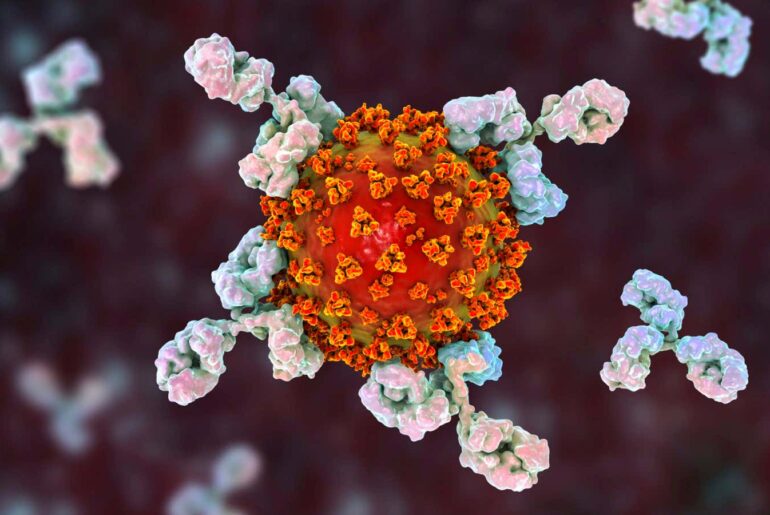
According to the CDC, the mutation may help the virus evade antibodies from prior infections or vaccinations and appears to be highly transmissible.
The states where the variant has been detected include:
CaliforniaConnecticutFloridaHawaiiIdahoIllinoisLouisianaMaineMichiganMarylandMassachusettsMissouriNew HampshireNew JerseyNevadaNew YorkOhioPennsylvaniaRhode IslandSouth CarolinaTexasUtahVermontVirginiaWyoming
“New SARS-CoV-2 variants with substantial capacity to evade immunity from previous infections or vaccines could be associated with seasonal increases in COVID-19 activity,” the CDC said in its report. “Robust surveillance data will continue to guide CDC’s preparedness, ensure timely responses to emerging variants, and inform decisions on vaccine updates.”
BA 3.2 was nicknamed “cicada” because it largely remained undetected, or “underground,” after its initial discovery, Dr. Robert H. Hopkins Jr., medical director of the National Foundation for Infectious Diseases, told USA TODAY.
While COVID-19 is no longer as severe as it was during the pandemic, CDC data shows it still caused an estimated 390,000 to 550,000 hospitalizations and 45,000 to 64,000 deaths during the 2024–2025 respiratory virus season.
Symptoms of cicada are similar to other variants and may include a runny or stuffy nose, headache, fatigue, sneezing, sore throat, coughing and changes to the sense of smell or taste.
“I have not seen any data which indicates that cicada is any more severe than other circulating variants,” Hopkins said. “Severe sore throat is reported as a common symptom along with other typical COVID symptoms.”