28th March 2026
Sheep farmers have been urged to review vaccination protocols to protect youngstock as variable weather patterns and waning maternal immunity could leave lambs exposed to deadly clostridial diseases this spring.
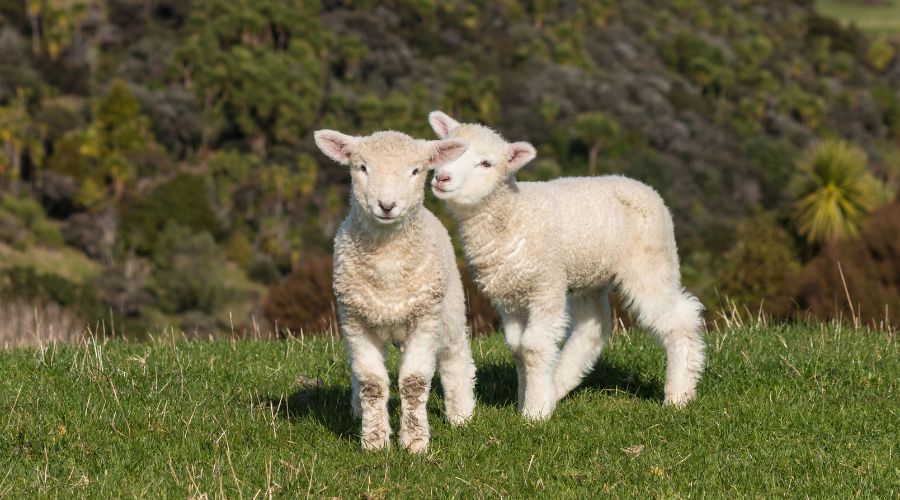 Dr Baxter-Smith stressed that vaccinating lambs at the right time is “critical”, stock photo.
MSD Animal Health veterinary adviser Dr Kat Baxter-Smith explained that lambs are born without antibodies and rely entirely on immunity from their mother’s colostrum, which starts to fade after just a few weeks.
Once this protection declines, lambs can be hit hard by diseases that progress rapidly and are often fatal.
Unnecessary losses from clostridial disease are particularly common during the spring, with data from Farm Post Mortems Limited showing a clear peak in pulpy kidney cases among lambs aged between two and eight weeks, with almost all affected animals unprotected by vaccination.
“Stressors that farmers cannot control, such as sudden weather changes, dietary shifts or parasite burdens, can trigger outbreaks,” Dr Baxter-Smith said.
“This means farmers with lambs at risk would be wise to speak with their vet and consider vaccination for clostridial disease, even in lambs not intended for replacements.”
Common clostridial diseases affecting sheep include lamb dysentery, tetanus, pulpy kidney, black disease, blackleg, struck and braxy. Despite the known risks, a UK survey found that almost 20% of sheep farmers do not carry out any routine vaccinations.
Vaccination guidance
Dr Baxter-Smith stressed that vaccinating lambs at the right time is “critical”.
“Farmers using Heptavacâ P Plus in their ewes should follow up with a primary course for replacement ewe lambs from three weeks of age to maintain protection.
 MSD Animal Health veterinary adviser Dr Kat Baxter-Smith.
“Lambs intended for finishing should also be considered for vaccination with Ovivac P Plus, even if they are destined for slaughter this year. This protects against four key clostridial pathogens and helps control pasteurellosis caused by Mannheimia haemolytica and Bibersteinia trehalosi.”
Clostridial infections progress quickly, and intensive antibiotic treatment is rarely effective. Control is best achieved through vaccination:
Breeding stock: Heptavacâ P Plus protects against seven common clostridial diseases and Pasteurella pneumonia. Ewes and tups not previously vaccinated require two 2ml injections four to six weeks apart, followed by annual boosters, ideally administered four to six weeks before lambing.
Growing lambs: Vaccinate from three weeks of age with Ovivac P Plus, given as two 2ml injections four to six weeks apart. Where pasteurellosis risk is high, a supplementary Ovipast Plus booster may be administered two to three weeks prior to seasonal outbreaks (typically late autumn or early winter).
“With unpredictable stress triggers, farmers must be proactive rather than reactive. A timely vaccination programme is the best safeguard against costly and preventable losses,” Dr Baxter-Smith concluded.
Read more livestock news.