By the time the clocks go forward each spring, I’m sure I’m not the only one who’s ready to wave goodbye to winter and welcome warmer days and lighter nights. But as a long-term insomniac, losing an hour’s sleep really throws me every year. My energy dips, my sleep feels disjointed, and it can take days before my body settles back into its usual rhythm.
And if you’ve been feeling a little out of sorts since the clocks changed last weekend, you’re certainly not alone. Research shows that even a one-hour shift can knock your body out of sync. A systematic review, published in Sleep Medicine Reviews, found that the spring forward transition is consistently linked with shorter sleep, poorer sleep quality, and increased daytime sleepiness, particularly in people who already struggle with sleep. Something I found surprisingly reassuring.
So this year, I decided to try something different. Instead of just trying to muddle through, I wanted to see whether leaning into the seasonal shift could actually help – using the lighter evenings as a cue, rather than a disruption. I committed to trying a daylight saving reset – gradually shifting my wake times, exercise, meals and evening routine in line with the lighter nights.
Article continues below
You may like
My hope was that small, realistic shifts – rather than dramatic overhauls – might support better sleep, steadier energy, and a calmer mood during a usually disruptive week.
Keep scrolling to find out what happened during my daylight saving reset. And while you’re here, check out other sleep and body-clock related experiments, including biosyncing my workouts, Mel Robbins’ 5-step evening routine, and our guides to eating yourself to a better night’s sleep. 5 simple ways to improve sleep and chronobiology workouts.
The Clock Change Always Throws Me Off – So I Used It As A Reset – Here’s What HappenedWhat happens to your body when the clocks spring forward?
Losing just one hour of sleep might not sound like much, but experts say it has a bigger biological impact than most of us expect. This is because the body does not run purely on clock time, explains clinical psychologist. Dr Tracy King.
“It runs on circadian rhythms, which are roughly 24-hour biological cycles that regulate sleep, alertness, hormone release, mood, appetite and energy,” she says. “These rhythms are shaped primarily by light exposure, but also by the regular timing of movement, meals, rest and social activity.”
If you’ve found it harder to fall asleep at your usual time, struggled to wake up in the morning, or felt groggier or lower in mood for a few days after the clock change, that’s not uncommon, says Dr Maja Schaedel, Co-Founder and Director of The Good Sleep Clinic. “Our circadian rhythm doesn’t automatically shift with the clocks.”
The science backs this up too: Research shows that fragmented sleep – and the time it takes to drift off – can be affected for several days into the week after the clock change.
For anyone like me, who already struggles to get enough shut-eye, the effects can feel even more pronounced. “Certain individuals tend to be more sensitive to disruptions in sleep and routine,” adds Dr Schaedel. “Their mood or anxiety levels may be more affected than usual in the days around the clock change.”
What to read next
Gentle habits that help your body adjust to the clock change
Before I got started with my daylight saving reset experiment, I spoke to the experts to find out exactly how I could manage the clock change with minimal disruption. The advice was refreshingly more straightforward than I was expecting – and centred around simple, consistent cues that help your body clock shift naturally.
1. Start with your wake time, not your bed time
If you try to go to bed an hour earlier the night the clocks change, chances are you’ll lie there feeling wide awake (and not to mention frustrated). Dr Schaedel recommends shifting your wake time instead. “Try moving your wake time fifteen to twenty minutes earlier each day in the run-up, and it’s important to start with your wake time rather than your bedtime.”
Waking up a little earlier, it gives your body time to naturally start feeling sleepy a bit earlier that evening as a result. “Let the tiredness lead you to bed, rather than trying to force sleep before your body is ready,” she adds.
2. Get morning light as soon as you wake
Light is your body’s most powerful circadian cues as it helps signal to the brain that the day has started and can support earlier sleep onset later that night, explains Dr King.
“Getting outside within the first hour of waking, even for 10 to 20 minutes, helps signal to the brain that the day has started and can support earlier sleep onset later that night.”
Dr Schaedel echoes this. “As soon as you wake up, turn on bright lights, open the curtains and – if possible – step outside,” she adds.
3. Embrace gentle morning movement
As the old saying goes movement is medicine – so this one isn’t a surprise. Gentle activity, especially in the morning or earlier part of the day can be incredibly effective.
“A walk, gentle mobility work, stretching or light exercise can improve alertness and reinforce the new rhythm without overstimulating the system,” Dr King says.
4. Keep meals and movement at consistent times
It isn’t just light that our body clock responds to.
“Meal times are also a surprisingly effective signal for the circadian rhythm,” Dr Schaedel points out. “Try to shift your meals – breakfast, lunch and dinner – in line with your new schedule as quickly as possible, as eating at the right times helps anchor your body clock.”
5. Wind down with lower lighting in the evening
You can also support the evening transition by working with light rather than trying to eliminate it completely, says Dr King. She suggests: “Dim lights, reduce overhead brightness, and use warmer light in the final hour before bed.”
Less screen time in the evening is something I’ve been really trying to stick to, though some nights I don’t wind down as early as I’d like. “If you need to stay on screens, use blue light glasses or night mode rather than pretending the screens aren’t affecting you,” adds Dr King.
My week-long daylight saving resetDays one – three
I started my daylight saving reset cautiously, following the experts’ advice not to make huge changes, but to focus more on small, consistent timing cues to help my body gradually adjust.
Whereas previously, I’d have waited until the clocks changed and simply tried to go to bed an hour earlier, I switched my attention to my mornings and made an effort to get up 15 minutes earlier than usual. Thankfully, I consider myself a morning person anyway (if my kids don’t beat me to it), so this first step felt fairly manageable.
Morning light quickly became my anchor. I rarely get outside within the first hour of waking, so admittedly, this felt more of a challenge. I made a point of opening my curtains as soon as I woke, and turning on the lights – particularly useful on darker mornings. On most days, I stepped into the garden for a minute or two to get a dose of natural light, which genuinely helped me feel more alert and less groggy.
Meal times became another subtle way to reinforce the shift. I’m a creature of habit, so moving breakfast, lunch and dinner felt a little odd initially, but because I only nudged each one by 15 minutes, it didn’t feel disruptive.
Over the first few days, I brought my wake-up times forward by an extra five minutes each morning. Realistically, I knew I’d have less chance of sticking to it if I aimed for any longer.
By the end of the third day, I noticed something encouraging: I felt sleepier than usual earlier in the evening. Nothing dramatic, but it felt like my body was finding a new rhythm.

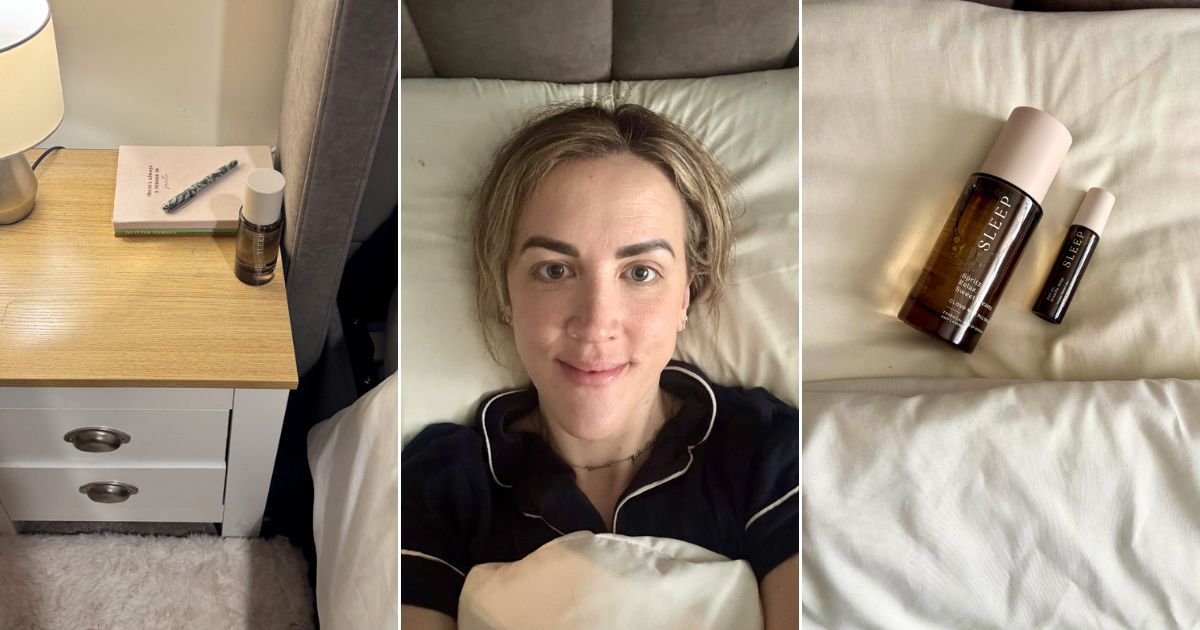
Rebecca started her daylight saving reset cautiously, following the experts’ advice not to make huge changes, but to focus more on small, consistent timing cues.
(Image credit: Rebecca Lawton)
Some days were easier than others, of course. Weekends are usually slower-paced in our household, so while the temptation to stay curled up indoors was strong, I made an effort to stay consistent. Evenings stayed deliberate. I kept lighting low and stayed off my phone a couple of hours before bed.
As Dr King told me: “For parents and busy people, it can help to focus on just two or three timing cues that are doable. Morning light, a brief walk earlier in the day, and a slightly earlier screen cut-off in the evening may be enough to support adaptation without adding pressure.”
Once the clocks officially went forward, the routine I’d been building over the past few days came into play. Staying fully committed, I stuck to my early wake-up schedule, and I combined stepping outside with bright indoor lighting as it was still dark outside.
That night, my bedtime was almost in sync with the clock change. And the biggest win? I actually felt tired at the right time. The next day, a couple of friends told me they’d struggled to switch off earlier the night before and were feeling the effects. I felt a little groggy myself (typical for a Monday), but much less so than I’d expected. Throughout the day, my energy felt surprisingly steady considering the clock change.
I didn’t get a big wow moment, nor was I expecting one. On reflection, it wasn’t about a dramatic fix – more small, subtle changes that made my routine feel less disruptive. What I did notice was a more stable energy that carried me through the week – the kind that’s easy to dismiss until you realise you don’t normally feel it. This week reminded me that even tiny, consistent cues can help your body gradually recalibrate, making the clock change feel far less of a shock.
One thing’s for sure, I’ll be adapting this routine when the clocks go back in October.

Rebecca didn’t get a big wow moment, nor was she expecting one. On reflection, it wasn’t about a dramatic fix – more small, subtle changes that made her routine feel less disruptive.
(Image credit: Rebecca Lawton)
Shop MC UK-approved wellness essentials
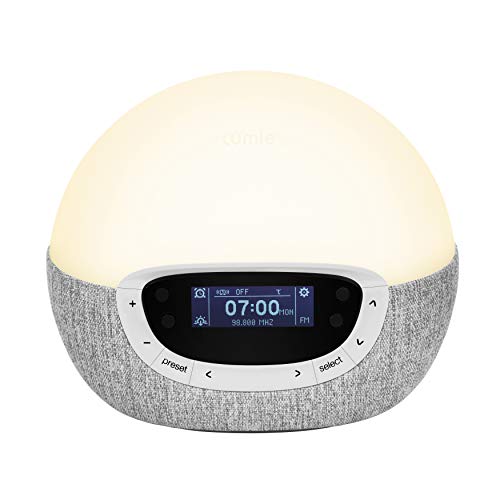
Lumie Bodyclock Shine 300
We’re big fans of sunrise alarm clocks for good reason – they help make wake-up times feel more natural, particularly after the clocks change and you need to reinforce an earlier wake-up time. The Lumie Bodyclock Shine has been crowned the best sunrise alarm clock by MC UK health editors.

Le Specs Pilferer Blue Light Clear Glasses
If evenings are your downfall when it comes to screen time, Dr Tracy King recommends using blue light glasses. They help by filtering the shorter wavelength light that suppresses melatonin production, making it easier to wind down and feel sleepy at the right time.

I received this sleep gift set recently for my birthday, and I’m obsessed. If you struggle to switch off, it includes lots of essentials to help you feel calmer and ready for bed.
What common mistakes do people make trying a daylight saving reset?
According to clinical psychologist, Dr Tracy King, the biggest issue is inconsistency. “When the body clock is already trying to recalibrate, irregular sleep and wake times, sleeping in late, late-night screen use, erratic meals and long daytime naps can all make adjustment harder,” she explains.
Another common mistake is trying to force sleep.”Going to bed much earlier than the body is ready for can create frustration and restlessness, especially in people who already struggle with insomnia,” Dr King adds. “It is usually more effective to shift gently and focus on morning anchors such as wake time and light exposure.”
Finally, many of us unknowingly sabotage with habits later in the day. Too much caffeine, overstimulation or intense exercise may help short-term alertness, but they can delay sleep onset and deepen the mismatch.