
Jillian Michaels, known for providing her advice on all things fitness and heath, has issued a warning regarding weight loss drugs while it’s at the height of its popularity.
With many looking to get that summer body ready for the hotter months, many will decide to head down the weight loss drug option to speed up the process.
Of course, you can always shed the pounds the old fashioned way by eating well and exercising regularly, though drugs such as Mounjaro are becoming increasingly popular nowadays.
Ozempic is another popular option, though it’s worth noting the drug is yet to be approved for strictly weight loss purposes and is prescribed to people with diabetes.
While describing its benefit, Michaels spoke on the Club Random Podcast in 2024 about something you ‘don’t want to believe’ regarding weight loss drugs, as she explained 50 percent of users feel no side effects to begin with.
 Jillian Michaels spoke in 2024 about the rise in popularity of weight loss drugs (Ivan Apfel/Getty Images)
However, she noted that does mean that 50 percent of users will experience ‘vomiting, constipation or diarrhoea’.
Michaels said that some users may lose weight without experiencing any unpleasant symptoms, which she describes as the ‘best-case scenario’.
However, the expert went on to say that weight loss drugs will eventually ‘stop working’ due to an ‘inevitable plateau’. While the drug is designed for long-term use, weight loss as a result of it will often plateau between one and two years – which podcast host Bill Maher claimed is something people ‘don’t want to believe’.
These claims were backed up by a team of researchers from the University of Oxford, who discovered many would regain a considerable amount of weight after finishing GLP-1 medications.
Oxford researcher Dr Susan Jebb warned: “People buying these need to be aware of the risk of fast weight regain when the treatment ends.”
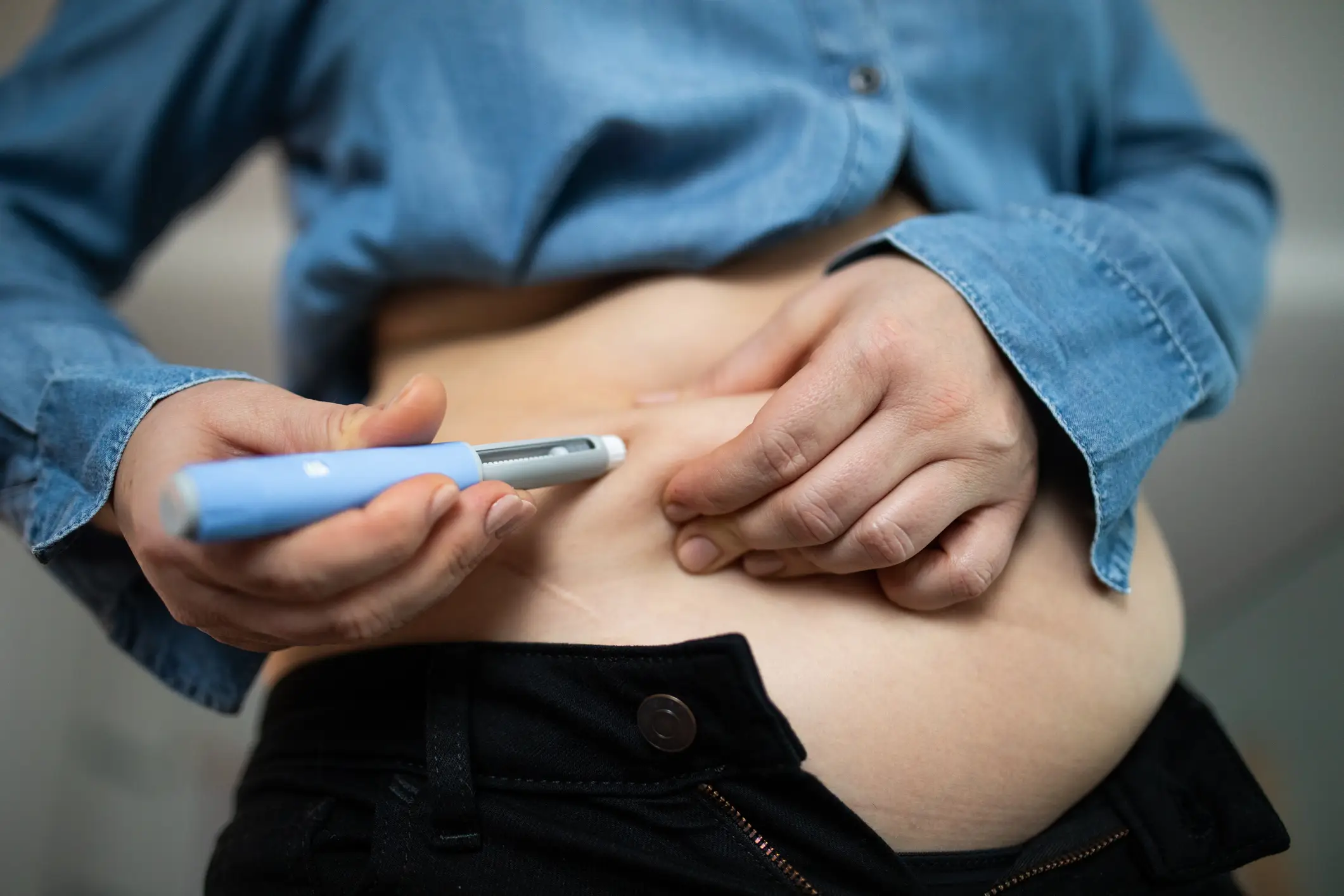 People can put on weight suddenly after finishing weight loss drugs (Getty Stock Photo)
The scientists found that patients on average would regain 0.9kg after finishing the drug, meaning they had returned to their pre-jab weight in just 18 months.
Dr Sam West, from the University stated: “These medicines are transforming obesity treatment and can achieve important weight loss. However, our research shows that people tend to regain weight rapidly after stopping – faster than we see with behavioural programs.”
He continued: “This isn’t a failing of the medicines – it reflects the nature of obesity as a chronic, relapsing condition.
“It sounds a cautionary note for short-term use without a more comprehensive approach to long-term weight management, and highlights the importance of primary prevention.”