Recycling soda cans and taking short showers aren’t the only ways to be environmentally conscious. Lifestyle changes, such as switching to an eco-friendly diet, can also have a positive impact.
Recently Valerie Stull, a faculty associate and research scientist at the University of Wisconsin-Madison who studies the connections between agriculture, climate change and human health, visited WPR’s “The Larry Meiller Show” to talk about why producing food that’s healthy to eat can also be healthy for our planet.
Carnivorous cutback
Understanding Wisconsin, Together.
WPR’s “Wisconsin Today” newsletter keeps you connected to the state you love without feeling overwhelmed. No paywall. No agenda. No corporate filter.
Although diets are traditionally thought of as personal — and often futile — endeavors, Stull suggested that by switching to an eco-friendly diet, individuals can trigger consequential changes.
“We’re talking about diets that have low environmental impacts and can contribute to both food and nutrition security and a healthy life on the planet for the current and future generations of people,” Stull remarked.
Stull also explained that an eco-friendly diet doesn’t have to exclude all animal products. But it does mean limiting them.
In addition to the individual health benefits of a mostly vegetarian or vegan diet, Stull recommended consuming meat and dairy less frequently since “animal production requires more land, more feed, more water and contributes more to our greenhouse gas emissions.”
Stull suggested plant-based protein sources like lentils, peas and nuts as foods that have a lower environmental impact than beef and dairy.
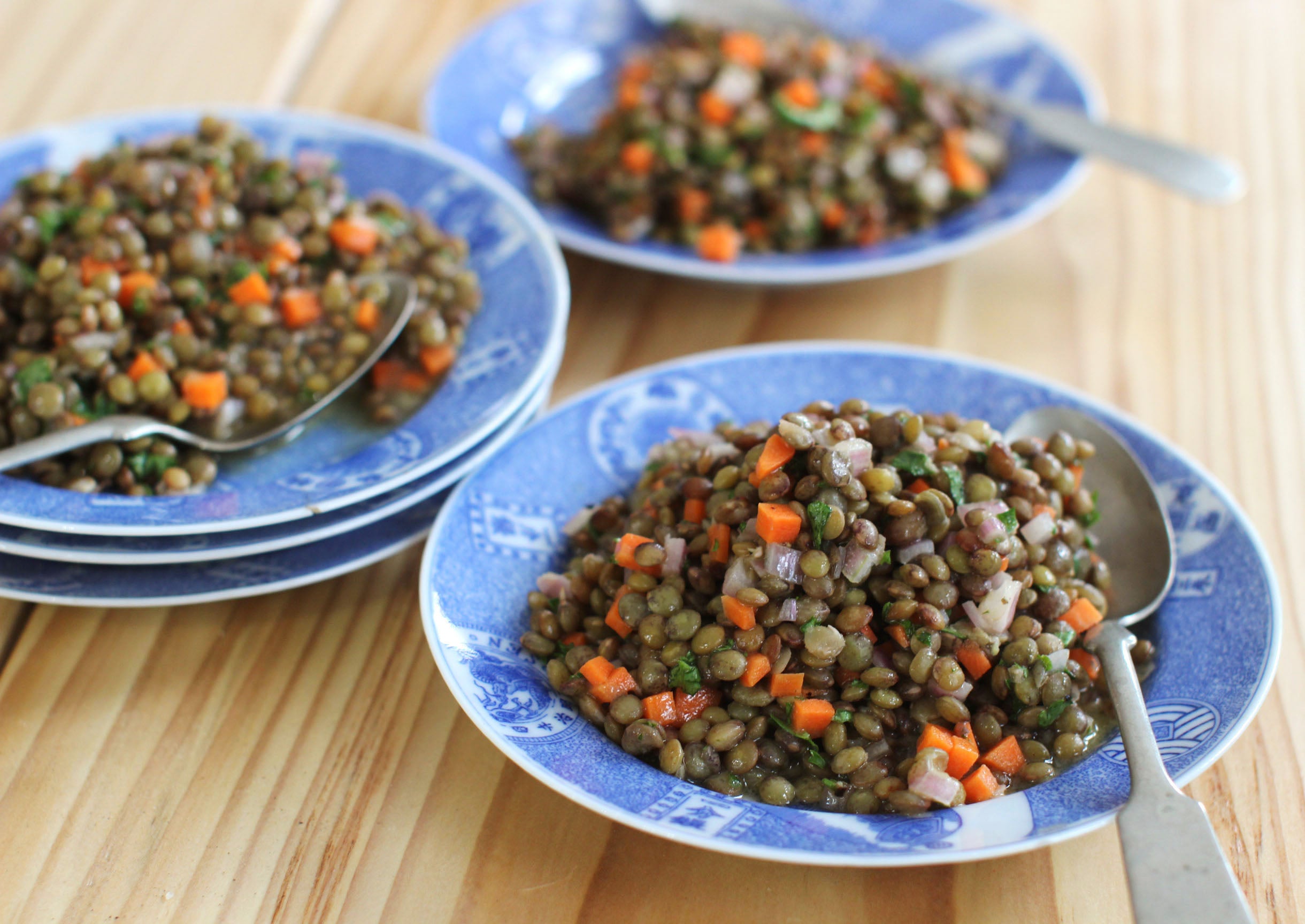 This Dec. 8, 2014 photo shows French lentil salad in Concord, N.H. AP Photo/Matthew Mead
Have food, can travel
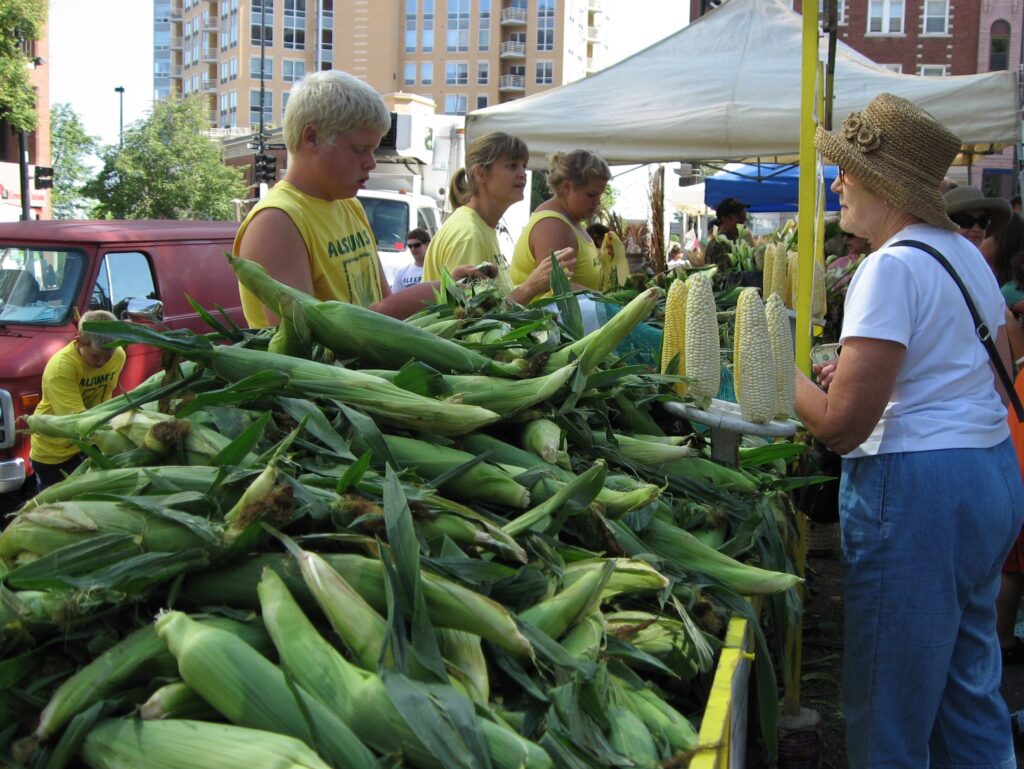
While Stull agreed with the importance of eating locally through embracing farmers’ markets and Community Supported Agriculture, she claimed food miles — the distance food travels from production to consumer — is not a principal environmental concern.
“How food is produced and what food it is, that’s the main contributor to greenhouse gas emissions,” Stull stated. “Not how far it travels.”
“Actually changing what you’re eating, such as substituting lentils and peas for beef, would be the first and most effective way to reduce the impact of your diet.”
Toppling the food pyramid
Earlier this year the U.S. Department of Agriculture and the U.S. Department of Health and Human Services released new dietary guidelines. But Stull favors the work done by the EAT-Lancet Commission.
“That commission is a group of experts in environmental science and nutrition that determined that switching to a more planetary health or eco-friendly diet could save or avoid about 11 million deaths per year by 2030,” Stull remarked. “Those are premature deaths due to diet related conditions.”
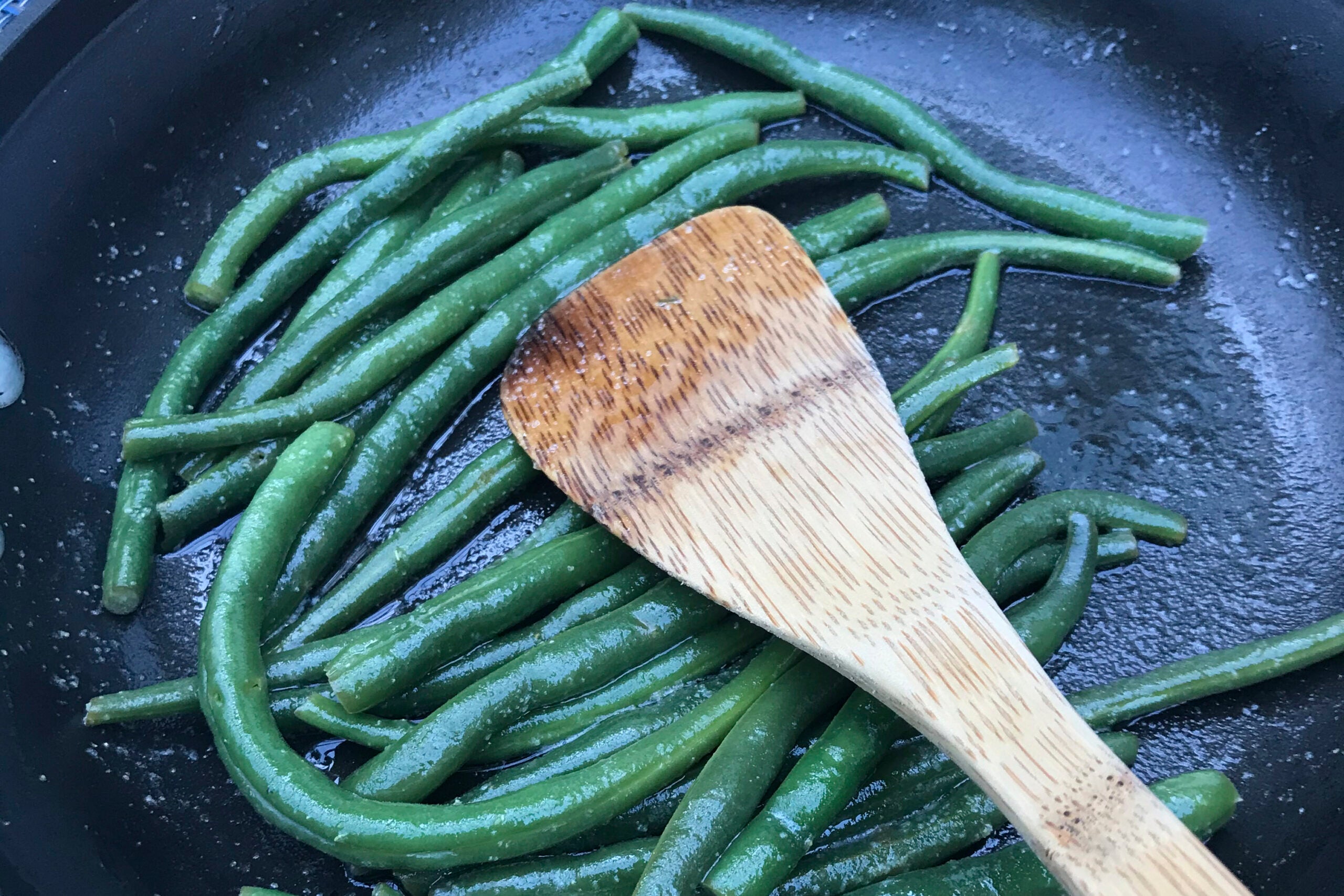 A plate of green beans picked from a home garden is prepared in a saute pan in Chatham, Mass. on July 28, 2021. AP Photo/Carolyn Lessard
Daring to dine in
Stull encouraged eating at home to not only control what’s being eaten but as a great way to ease into an eco-friendly diet by experimenting with food substitutions.
“You know, adding tofu or lentils into a meal, swapping out meat for a cauliflower in your taco, kind of switching things around and being creative to find things that you like and that you can integrate into the rotation,” Stull explained.
Giving the restaurant a rest is also a good way to avoid ultra-processed foods.
“There’s lots of packaging, lots of added fat, sugars and preservatives that are actually contributing quite a bit to the emissions from the food system,” Stull advised.
“Not to mention, there’s a lot of new research around ultra-processed foods being not particularly good for our long-term health and well-being.”
All you can eat … and nothing more
Eating at home can mean leftovers, but Stull encourages avoiding food waste by preparing only what you can eat.
“When you waste food, you’re not just wasting the money you spent, you’re wasting all the resources that went into producing that food, all the water, all the labor, all the land, all the fertilizer,” Stull warned.
“Almost every sustainable diet you will find out there really emphasizes reducing food waste.”
Stull advised limiting food waste by not only eating leftovers but also by joining a composting program, which she says reduces the emissions of food waste.
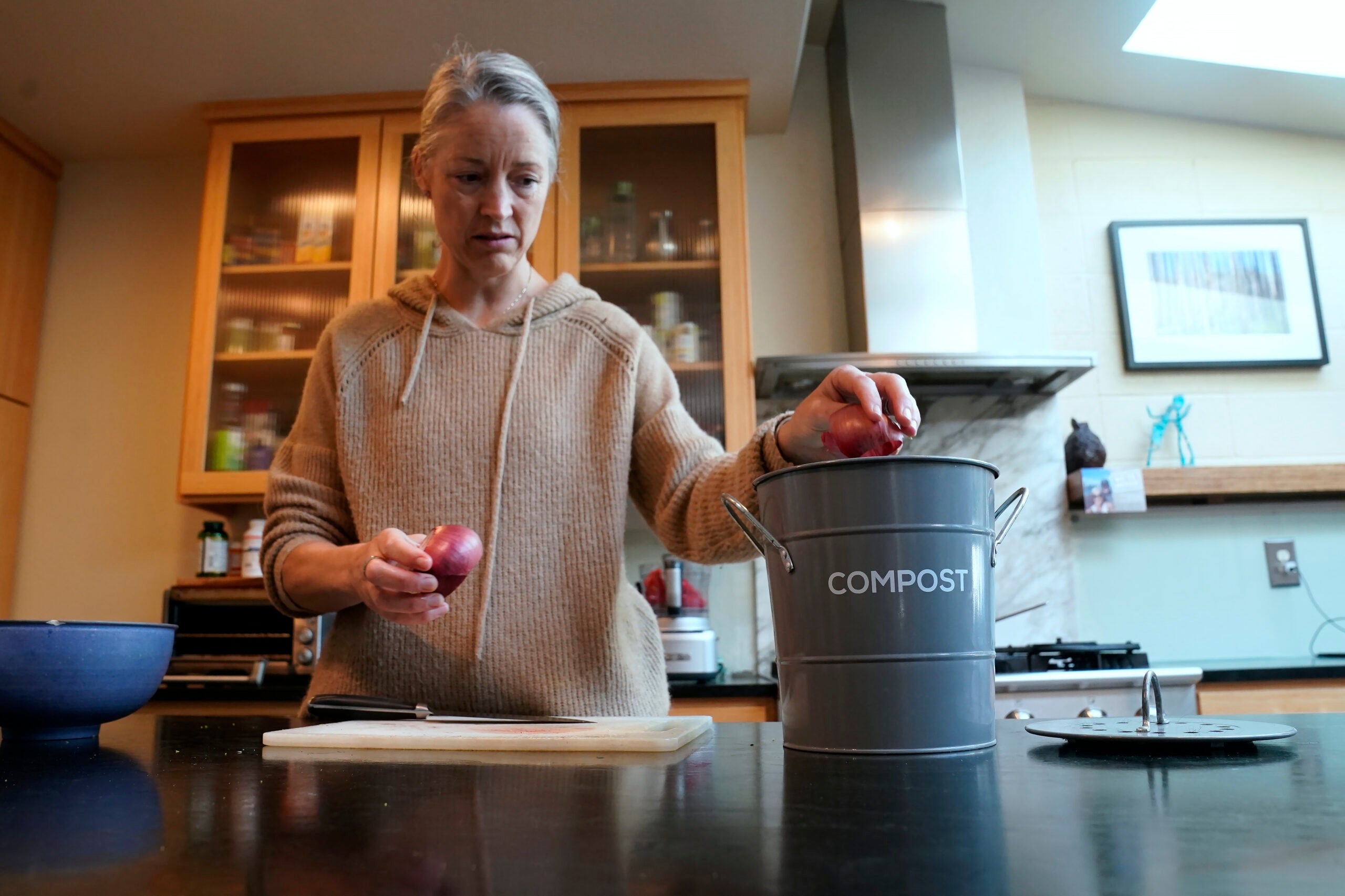 Joy Klineberg tosses an onion peel into container to be used for composting while preparing a family meal at her home in Davis, Calif., Tuesday, Nov. 30, 2021. AP Photo/Rich Pedroncelli
Bug appètit
Insect consumption as a sustainable source of nutrition also fits into Stull’s vision of an eco-friendly diet, though she admits there’s a learning curve for most.
“There’s this ‘ick factor’ that a lot of Americans in particular have when it comes to thinking about insects as food,” Stull admitted. “But the majority of insects are totally healthy and beneficial for people to be eating.”
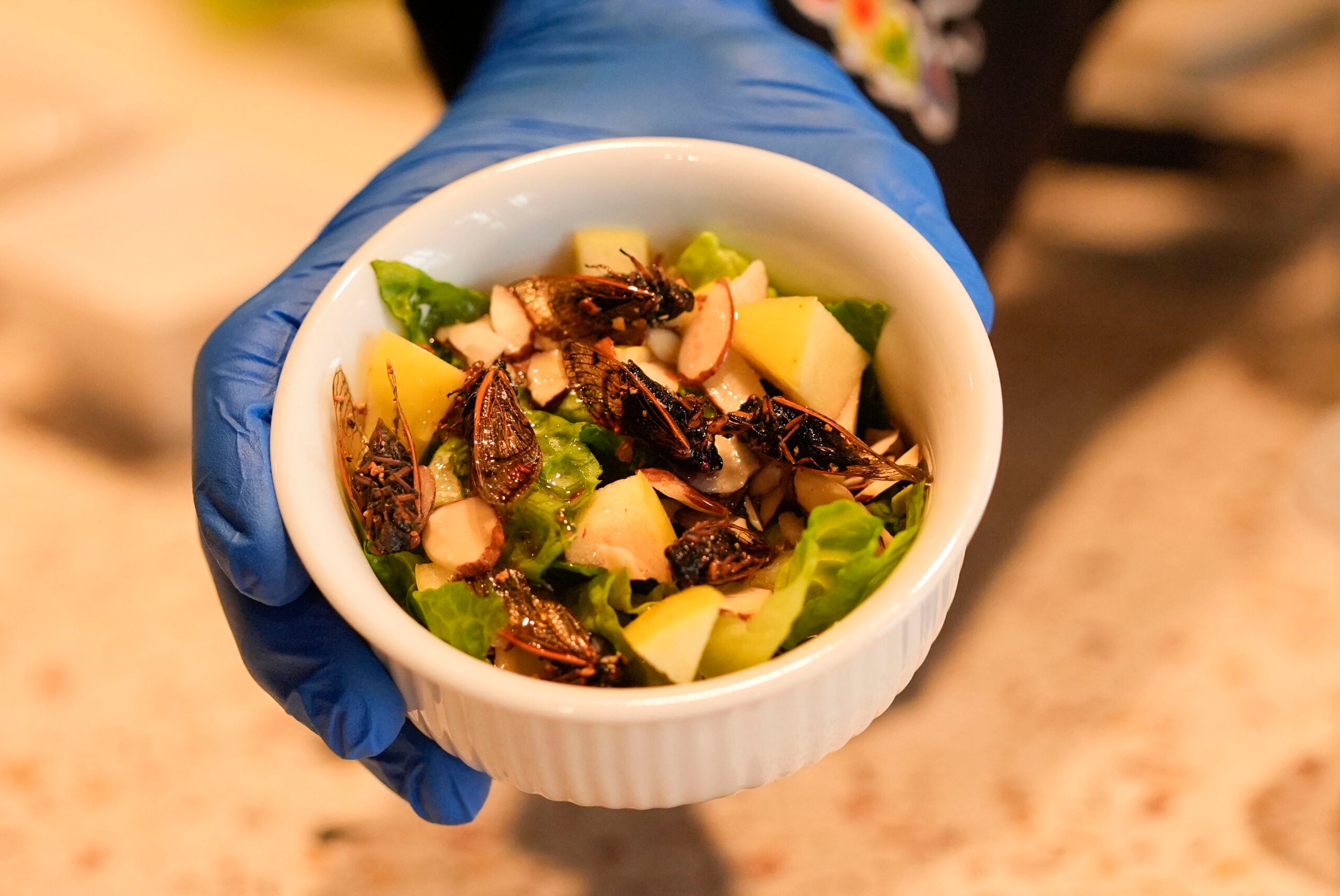 Zach Lemann, curator of animal collections for the Audubon Insectarium, prepares cicadas for eating at the insectarium in New Orleans, Wednesday, April 17, 2024. AP Photo/Gerald Herbert
Despite the difficulties inherent in changing people’s eating habits to encompass an eco-friendly diet, Stull believes there is cause for optimism.
“I think consumers are becoming more interested and aware and invested in understanding where their food comes from and also buying foods that are potentially more sustainable.”