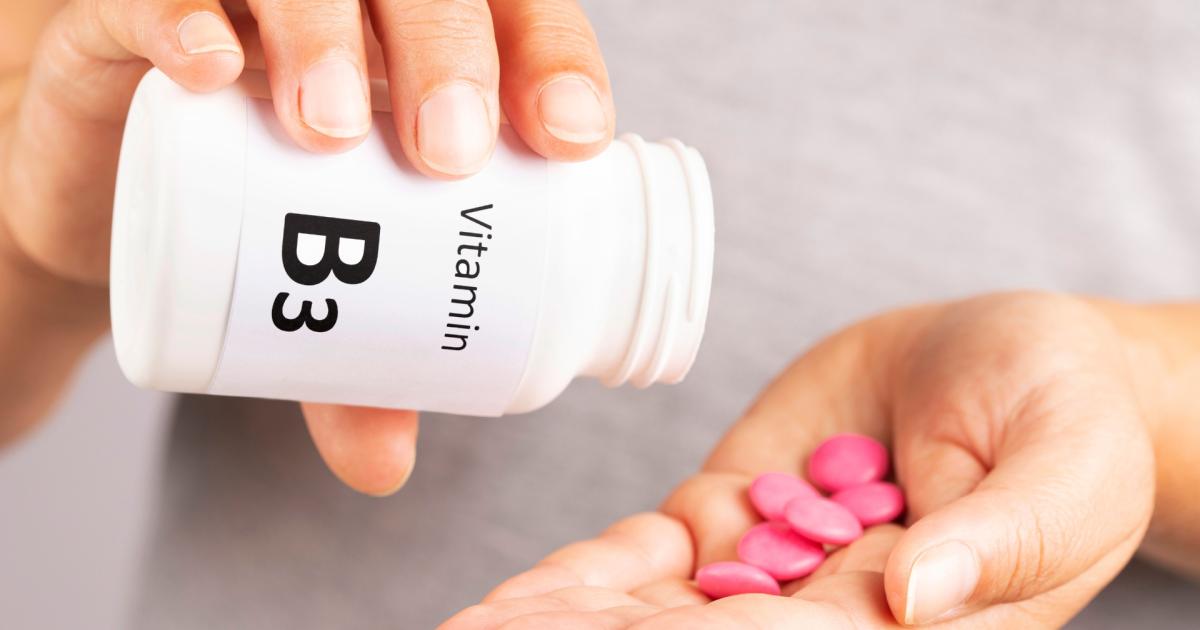
Millions of Americans take daily supplements—including nicotinamide mononucleotide (NMN), nicotinamide riboside (NR) and nicotinamide (NAM)—to boost energy, slow aging and protect the heart and brain.
Many cancer patients also take these supplements to help manage the excruciating side effects of chemotherapy.
But a new study, led by researchers at Case Western Reserve University School of Medicine and recently published in the journal Cancer Letters, found these popular vitamin B3 derivatives may be doing more harm than good—helping cancer cells survive and resist treatment.
Researchers set out to investigate how common NAD+ precursor supplements affect pancreatic cancer, among the most deadliest cancers, with a five-year survival rate of just 13%, according to the American Cancer Society.
NAD+ is a molecule that every cell in the body—healthy and cancerous—needs to function and survive. Taking an NAD+ supplement essentially floods the body’s cells with fuel.
In healthy people, this may offer genuine benefits. But cancer cells hijack that same fuel to power up their energy systems, repair DNA damage from chemotherapy and avoid the cell death that chemo triggers, allowing tumors to survive doses that should be lethal, the researchers learned.
In both laboratory experiments and mouse models, the supplements—particularly NMN—shielded pancreatic cancer cells from three standard chemotherapy drugs: oxaliplatin, 5-fluorouracil and gemcitabine.
The supplements undermined treatment in three critical ways:
Boosting cancer cell energy, making tumors stronger and more resilient.Reducing oxidative stress in tumors, neutralizing one of chemotherapy’s key mechanisms for destroying cancer cells.Suppressing DNA damage and cell death, blocking the very process chemotherapy depends on to work.
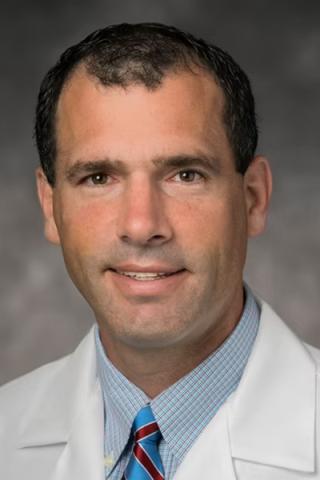
Jordan Winter
“Our findings highlight a potentially concerning role for NAD+-boosting supplements in the context of an active cancer, especially when used in conjunction with chemotherapy,” said study lead Jordan Winter, Case Western Reserve School of Medicine professor and co-leader of the developmental therapeutics program at the National Cancer Institute-designated Case Comprehensive Cancer Center. “Our discovery is a call to action for the medical community.”
The study does not suggest these supplements are dangerous for healthy people. But for active cancer patients—particularly those on chemotherapy—the risks are serious and demand immediate attention.
“This research is a critical reminder that ‘natural’ doesn’t always mean safe,” Winter said, “especially in the complex biology of cancer treatment.”
The researchers are calling for routine screening of supplement use in all cancer patients and further clinical research about the interaction between NAD+ supplements and cancer therapies.
For now, Winter advised cancer patients to discuss the potential risks with their oncologist and medical team immediately.