The sports nutrition market is undergoing a major shift as consumers move away from single-benefit supplements toward multifunctional products targeting a wider scope — encompassing the gut-muscle axis, oxidative stress, and cognitive clarity. From dissolvable oral pouches to a synergistic blend of creatine and magnesium, next generation recovery aids prioritize high bioavailability and convenience for increasingly active lifestyles.
Nutrition Insight speaks to Gnosis by Lesaffre, Balchem Human Nutrition and Health, FrieslandCampina Ingredients, and Saanroo about the rise of adaptogens, the critical impact of digestive health in athletic performance, and new clinical breakthroughs in ingredient synergies.

“Magnesium is one of the most talked-about ingredients in active nutrition and sports recovery right now, with surging social media buzz spotlighting its benefits for muscle relaxation,” says Dominik Mattern, VP of Science, Business Development and Marketing at Balchem. “Creatine is just as popular, with the global creatine supplement market projected to grow at 13% CAGR through 2035, and US consumers alone taking over four million kilograms annually.”
Innova Market Insights’ “Sports supplements in Europe” report shows that this segment is gaining traction as consumers become more self-sufficient in their self-care, engaging in more exercise and fitness activities. Consumers are increasingly looking for ingredients that support sustained energy, fatigue management, and faster recovery between workouts.
“Additionally, it is important to note that sports recovery has been evolving from a narrow focus on muscle repair toward a broader concept of physiological resilience and sustained performance,” says Silvia Pisoni, global operational marketing director at Gnosis by Lesaffre.
“The approach to recovery is more holistic. Today’s athletes and active consumers are not only seeking faster recovery between workouts but also ingredients that support energy metabolism, endurance capacity, and resistance to both physical and mental fatigue.”
Geographically, North America remains the largest and most mature market for sports nutrition products, with strong demand for innovative ingredients and functional beverages, according to Pisoni.
Multifunctional formats
A major trend in product development is the rise of multifunctional formulations, according to Pisoni. Sports recovery supplements increasingly combine ingredients that support performance, recovery, stress resilience, and mental focus.
“Adaptogenic compounds are gaining attention in this context because they address multiple physiological pathways simultaneously,” continues Pisoni.
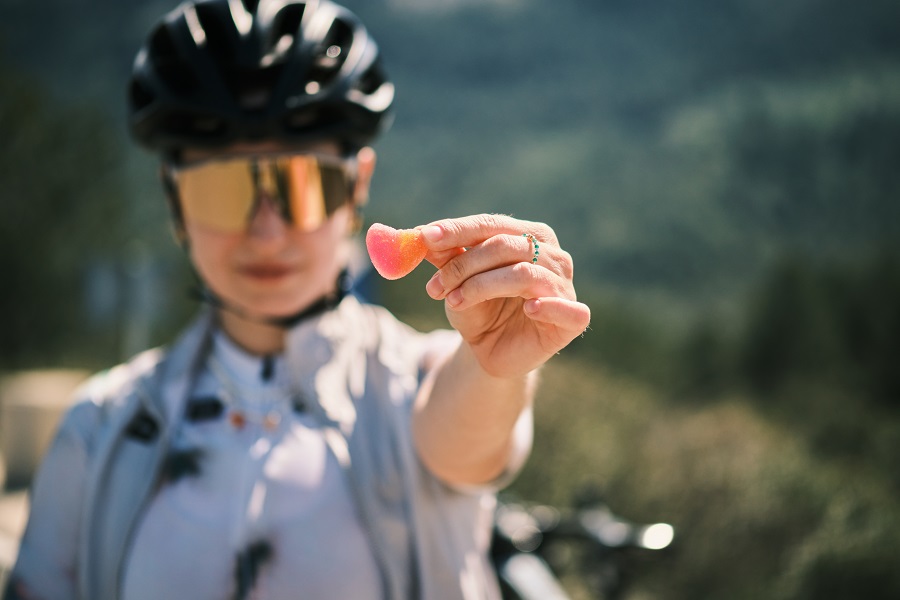 While gummies remain a popular format, orosoluble supplement strips and pouches are gaining ground for their convenience.Meanwhile, Mattern at Balchem says active consumers are increasingly treating recovery as a fundamental part of their fitness routine, with its own distinct nutritional occasion.
“As awareness grows around exercise-induced oxidative stress and inflammatory responses, so too does the demand for solutions that help mitigate these processes,” he elaborates. “The result is that products feel purposeful, convenient, and easy to consume straight after a workout, without adding friction to busy lifestyles.”
Looking ahead, beyond convenient beverages, gummies, powder sticks, and gels, Mattern expects the push for speed and simplicity to drive even more innovation. “For example, oral strips and pouches (small dissolvable sachets worn against the gum) are attracting more and more interest, offering fast absorption and high bioavailability on-the-go, with no water or preparation required.”
Beginning with the gut
Sports recovery is a whole‑body process, highlights Inge van Dalfsen, marketing manager for Performance and Active Nutrition at FrieslandCampina Ingredients. “Muscles obviously play a central role, but research increasingly highlights the gut as a key contributor — influencing nutrient absorption, immune function, inflammation, and energy availability.”
“In fact, the interplay between athletic performance and digestive health is so significant that it’s thought that up to 86 % of athletes report gastrointestinal issues that can subtly undermine their ability to recover and perform at their best.”
One of FrieslandCampina Ingredients’ innovations, Fermentis, focuses on this interplay — known as the gut-muscle axis. The ingredient responds to this need by combining fermented whey, prebiotic GOS, and postbiotics to support the gut‑muscle axis.
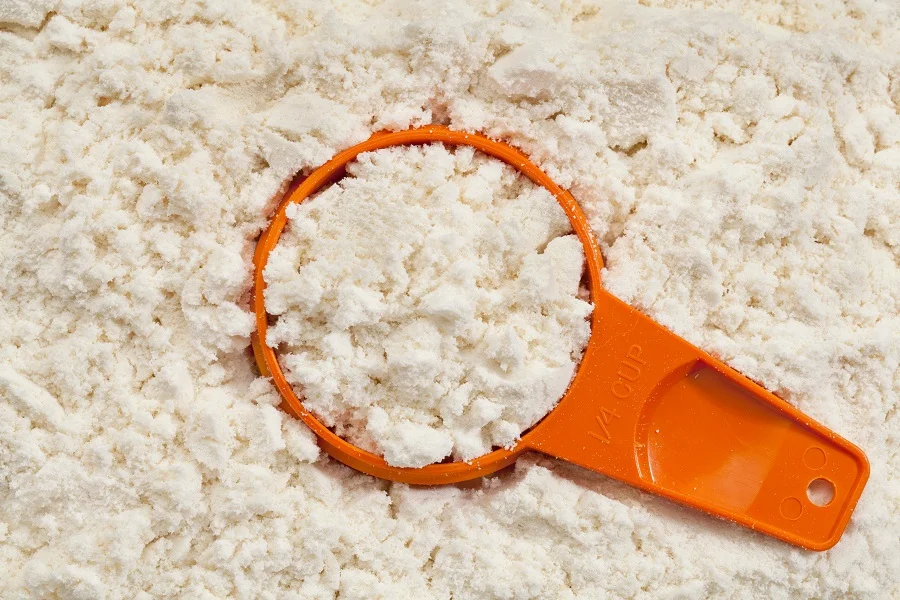 FrieslandCampina Ingredients’ Fermentis ingredient blends fermented whey, prebiotic GOS, and postbiotics to support the gut-muscle axis.“It’s a unique, synergistic formulation, with benefits demonstrated in real life and clinical settings,” says Van Dalfsen. “In one three-week consumer study, participants who consumed Fermentis self-reported improvements in satisfaction in physical well-being, energy levels, and reduced bloating — the most commonly experienced gastrointestinal concern.”
“These findings are further supported by a clinical study in US athletes with self-reported gastrointestinal issues, where Fermentis supplementation led to significant increases in Bifidobacteria and reductions in gastrointestinal symptoms, as well as improvements in perceived physical well-being.”
Joint and muscle recovery advances
Balchem’s latest update in sports nutrition is its “Premier Ingredients for Premier Athletes” platform, which brings together a roster of science-backed ingredients to create effective solutions that support performance from training to recovery.
“The lineup includes OptiMSM, for joint health and muscle recovery, Albion Minerals’ chelates, for endurance and hydration, VitaCholine, for cognition and mental clarity, and K2Vital, for bone and cardiovascular health,” details Mattern.
On the recovery front specifically, the company has recently had new scientific developments behind OptiMSM, its methylsulfonylmethane (MSM) ingredient. “A randomized, double-blind, placebo-controlled trial showed that supplementation with 0.5–1 g/day of OptiMSM for thirty days prior to a half-marathon helped modulate key exercise recovery markers,” Mattern highlights.
“These included markers associated with innate immune response, inflammation, oxidative stress, and muscle repair after exercise,” he adds. “What makes this study especially exciting is that the dose of OptiMSM evaluated was one-third of that used in previous research.”
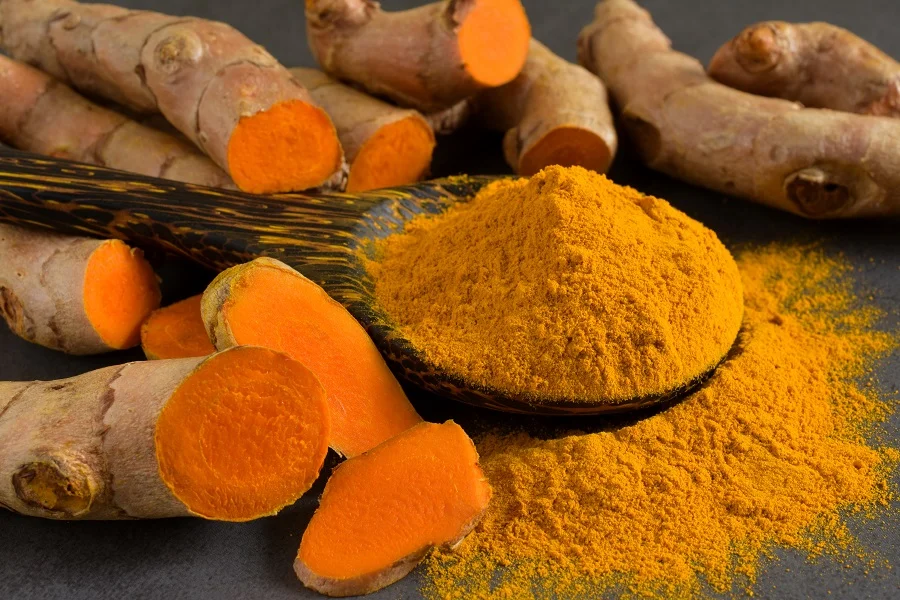 Saanroo spotlights its HydroCurc turmeric ingredient that delivers a highly bioavailable form of curcumin to help the body manage inflammation, pain, and stress.Lastly, Mattern highlights a compelling opportunity to combine two “powerhouse ingredients” — creatine and magnesium — into next-gen sports recovery solutions. “Magnesium plays a key role in creatine kinase activity. This means adequate magnesium levels are actually required for creatine to do its job properly,” he explains.
“At Balchem, we’ve harnessed this synergy in our Creatine MagnaPower formulation. Clinical research shows that Creatine MagnaPower supports muscle power and anabolic signaling at a level that neither creatine monohydrate nor magnesium achieves independently.”
Curcumin and PEA
Saanroo spotlights two of its solutions in the sports nutrition space, HydroCurc from turmeric and Levagen+, a high-quality, bioavailable form of palmitoylethanolamide (PEA), a fatty acid amide naturally produced by the body to manage inflammation, pain, and stress.
“HydroCurc continues to stand out because it tackles one of curcumin’s biggest formulation challenges: bioavailability,” says Maggie McNamara, VP of global marketing, Saanroo.
Levagen+ is also gaining strong momentum as brands look for differentiated support for sports recovery, joint comfort, and active-lifestyle products.
“What feels especially new is not just the ingredients themselves, but also the growing depth of scientific understanding of how to use them more intentionally,” adds McNamara. “That is helping brands move beyond generic recovery products and create solutions that feel more targeted, credible, and relevant for today’s consumer.”