High fiber comes with high benefits for heart health, gut health, weight loss and blood sugar control.
Adults need 25-35 grams of fiber per day, but only 5% of Americans get the recommended daily amount, according to the National Institutes of Health, missing out on all those perks for the body.
If you’re trying to consume more fiber, what’s the best time of day to eat it?
“Fiber isn’t something you need to time perfectly. What matters most is getting enough consistently throughout the day,” says registered dietitian Natalie Rizzo, nutrition editor for TODAY.
“That said, starting your day with fiber at breakfast is a really smart strategy.”
“If you start your day in the morning, you get a big advantage,” agrees Lisa Young, a registered dietitian in New York and author of “Finally Full, Finally Slim.”
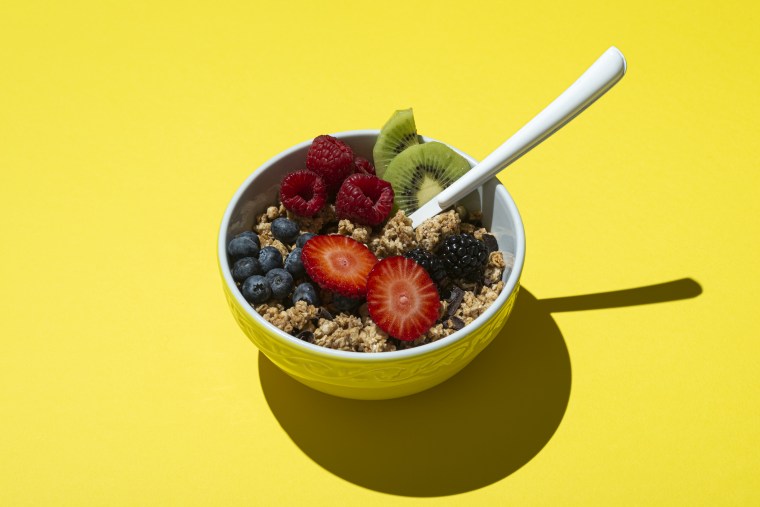 Fiber at breakfast provides benefits for the whole day.Francesco Carta fotografo / Getty ImagesFiber Benefits at Breakfast
Fiber in the morning helps keep you full as you move on with your day, which can prevent overeating in the afternoon and evening, and sets the nutritional tone for the day, Rizzo notes.
“If you skip fiber at breakfast, you have to ‘make it up’ later in the day and you’re always playing catch up,” she says.
Morning fiber will also stabilize your blood sugar, Young adds. It’s a type of carbohydrate the body can’t digest so it doesn’t cause blood sugar spikes the way other carbs can, the Centers for Disease Control and Prevention explains.
Another benefit is that focusing on fiber at breakfast means eating more nutritious items like oatmeal, whole wheat bread and fruit rather than pancakes or bacon, Young says.
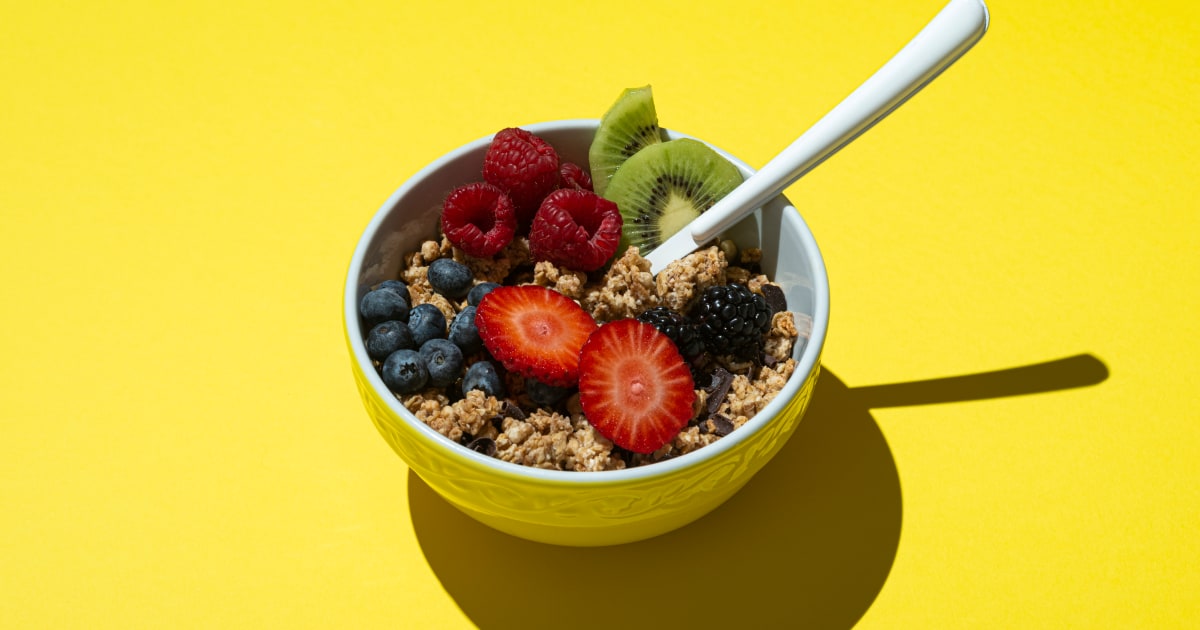
Rizzo likes to see people consume at least 5 grams of fiber at breakfast, but ideally around 10 grams. “This gives you a solid head start without overloading your system in one sitting,” she says.
Avocado toast with chickpeas, or oatmeal with nuts and berries makes for a “fiber-friendly breakfast,” the CDC notes. A typical serving of oatmeal provides about 4-5 grams of fiber. Berries, especially raspberries, are packed with fiber.
For more ideas, try 12 high-fiber breakfasts recommended by dietitians.
Fiber Benefits at Dinner
Having high-fiber foods at dinner can help lead to a bowel movement in the morning, Young says.
“What you eat at dinner can absolutely influence a bowel movement the next morning,” Rizzo adds. “Fiber helps bulk and move stool through your digestive system.”
Plus, adding vegetables, whole grains, beans and other high-fiber foods to the main meal of the day also means “you’re probably having a smaller steak and less fettuccine Alfredo,” Young explains. It adds up to less saturated fat and refined carbs.
“It’s like a double benefit. The fiber itself has benefits, but where that fiber is found gives you additional benefits, because you’re eating that instead of something else,” Young notes.
Try these high-fiber dinner recipes, including roasted broccoli and cauliflower pasta.
The Best Way to Eat Fiber
It’s best to spread fiber intake out throughout the day between three meals and snacks, both dietitians say.
“Most of us are low in fiber, so anytime that you’re going to eat it, is always a good time,” Young notes.
It’s possible to overdo fiber in one sitting, especially if you’re not used to it, which can lead to bloating, gas and discomfort, Rizzo cautions. So rather than loading up all at once, increase fiber intake gradually to allow the gut to adjust.
Drink plenty of water to get fiber to work, Young advises. Soluble fiber dissolves in water, forming a gel that sticks to cholesterol and its precursors in the gut, preventing the digestive tract from absorbing it.
To ensure regular bowel movements, eat fiber consistently throughout the day, stay hydrated and move your body, Rizzo says.