Authorities found a bogus charity and a nonoperational donor company linked to imported supplements, hinting at a wider scheme to evade customs duties.
In the Volyn region, investigators uncovered a scheme to move goods through the Yagodyn customs post, where a local resident organized the import using documents with false information. According to the investigation, the aim was to evade customs payments, and the products were planned to be sold in Ukraine as commercial goods.
The press service also reported that the charitable foundation through which the goods were allegedly imported is not located at its registered address, and its head has been outside Ukraine since 2023. It was also found that the Hungarian company, which in the documents acted as the donor of humanitarian aid, was not operating at the time of the import of the dietary supplements.
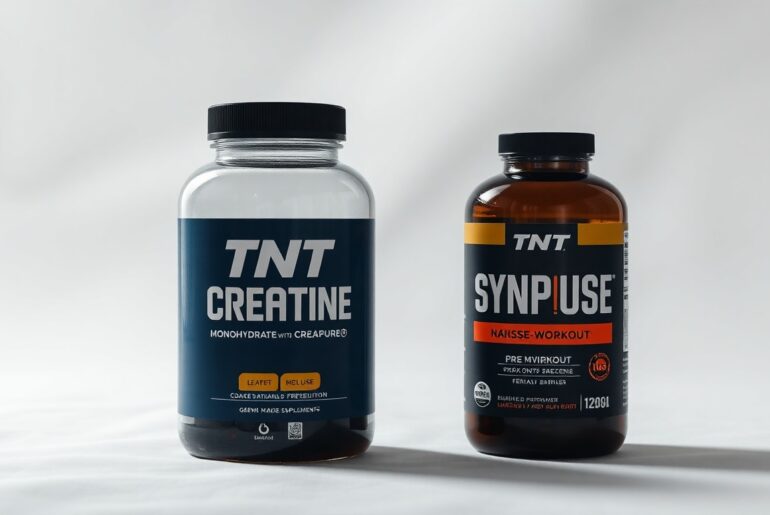
During a search of the vehicle used to transport the contraband, detectives seized about 400 varieties of dietary supplements weighing over 16,000 kg in total. Among the seized items were vitamins, dietary and sports supplements, and amino acids. An arrest was placed on the seized goods and on the suspect’s property.
The Volyn resident was informed of suspicion under Part 2 of Article 201-3 of the Criminal Code of Ukraine (“smuggling of goods”). The court imposed house arrest as a preventive measure. The pre-trial investigation is ongoing.
The case is being investigated by law enforcement authorities that are establishing the scope and circumstances of the operation and taking appropriate measures under the laws against smuggling and crimes in the movement of goods.
Progress of the Investigation and Its Consequences
After the precautionary measure was imposed, investigators continue to determine the scope of the operation and all persons involved, with the aim of fully establishing the supply mechanism and the use of forged documents. At the same time, law enforcement agencies are strengthening controls over the import of dietary supplements and humanitarian supplies to prevent a recurrence of similar schemes.
This case underscores the importance of strengthened oversight of the import of dietary supplements and humanitarian goods, as well as the responsibility of supply-chain participants for unlawful actions in the trade of goods.