As consumers increasingly value taste, health, and functionality in snack choices, purchasing decisions are shifting from flavour-focused preferences toward products that also emphasise nutritional value and wellness benefits.
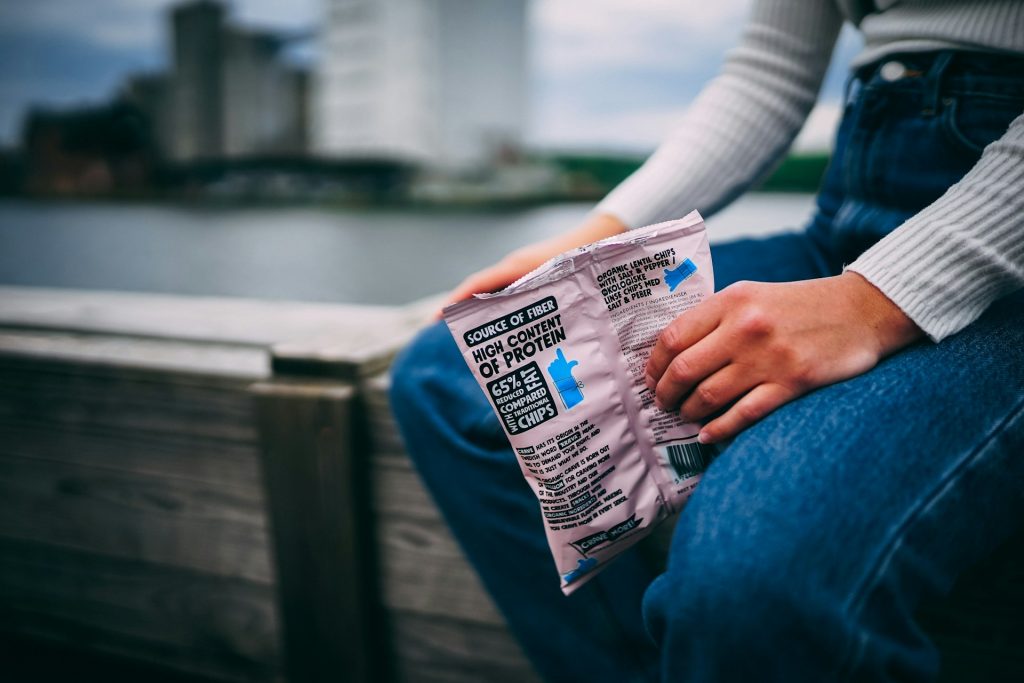
 Consumers increasingly prioritise low-sugar, lighter formulations and nutritional content when choosing snacks. (Photo via unsplash.com)
LOS ANGELES, CA (MERXWIRE) – Craving snacks while worrying about calories or weight is a common experience for many consumers. In recent years, the snack market has undergone a noticeable shift—from purely taste-driven choices to products that also emphasise health and ingredient quality. More consumers are paying attention to sugar content, calorie levels, and nutrition labels, driving rapid growth in the better-for-you snacks segment.
Market research indicates that the global better-for-you snacks market was valued at USD 43.19 billion in 2024 and is expected to reach USD 61.42 billion by 2032, representing a compound annual growth rate (CAGR) of 8.2%. Growth is driven primarily by increasing demand for low-sugar, low-fat, and functional snacks, along with rising awareness of weight management and overall health. As a result, snacks are evolving from occasional indulgences into an everyday part of eating habits.
In terms of consumer preferences, balancing health and taste has become the mainstream expectation. Surveys show that 39% of consumers believe ideal snacks should deliver both flavour and health benefits, allowing them to enjoy taste while reducing dietary burden. This demand is fueling the expansion of low-sugar, high-protein, and clean-label products, leading to more options that emphasise natural ingredients and nutritional value.
Beyond health positioning, flavour innovation remains an important driver of consumer interest. Research indicates that 43% of consumers prefer trying novel or hybrid flavours, 40% find multi-layered taste profiles more appealing, and 31% favor unique flavour combinations. These preferences encourage brands to introduce creative flavour experiences while maintaining healthier formulations.
Among product categories, high-protein snacks show the most significant growth. These products typically offer greater satiety and are often consumed between meals, making them popular among working professionals and fitness-oriented consumers. At the same time, plant-based and gluten-free snacks are expanding to meet diverse dietary needs. Market data also shows that savoury snacks remained the largest segment in 2024, accounting for 33.5% of the total market, indicating that consumers still value taste while seeking healthier formulations.
Gut health is another rapidly growing focus. Snacks positioned with high-fibre or probiotic concepts are becoming more common, emphasising digestive support and microbiome health. These functional snacks offer convenience while providing nutritional benefits, aligning with modern lifestyles that prioritise both wellness and practicality.
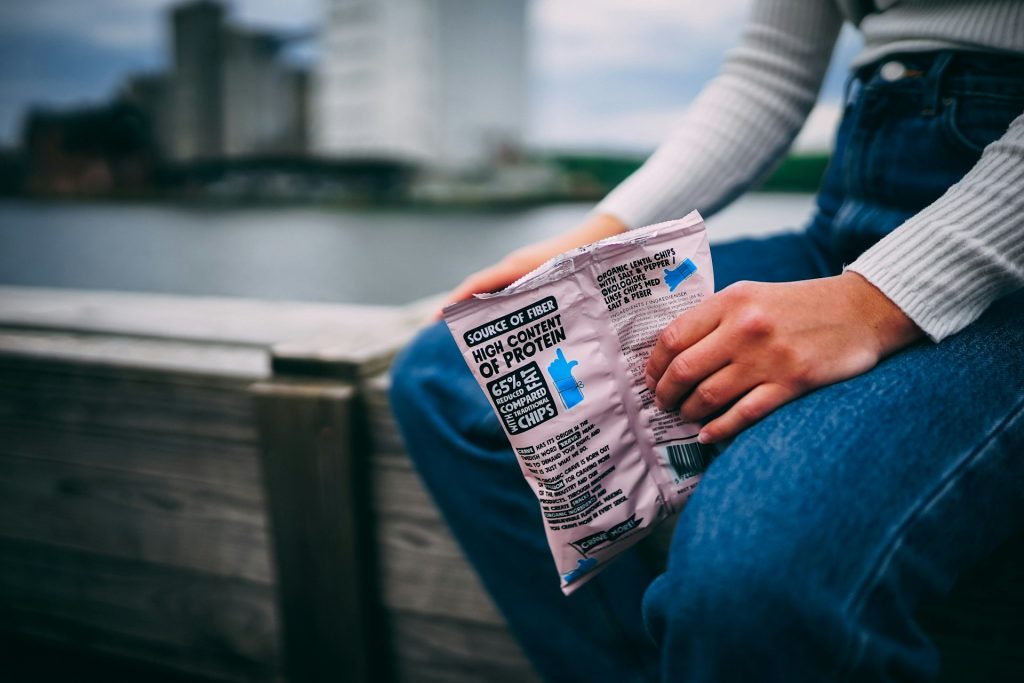
 Health-related ingredients are now an important consideration when purchasing snacks. (Photo via unsplash.com)
Overall, the snack market is shifting from simple indulgence toward a balance of health and functionality. As more consumers look for options that are both enjoyable and lighter, high-protein, low-sugar, and functional snacks are becoming everyday choices. With continued market expansion, healthier snacking is evolving from a trend into a mainstream consumption pattern.
Information contained on this page is provided by an independent third-party content provider. XPRMedia and this Site make no warranties or representations in connection therewith. If you are affiliated with this page and would like it removed please contact pressreleases@xpr.media