The 6 Best Pre-Workout Supplements: What to Know & Which to Buy
While you don’t need pre-workout to build muscle, it can be helpful if you require an extra ‘push’ to get through your workout if you’re a bit more fatigued one day or if you’re in a calorie deficit. Pre-workout supplements include ingredients that supply energy, help you push harder, improve focus, and can help your body more easily build muscle and recover from your workouts.
We examined products for effective formulas, caffeine, testing, user experience, and overall safety to find the best pre-workout supplements to help support your workouts and fitness goals. You’ll also find a guide to the products that can give you a natural pre-workout boost.
What to Consider Caffeine
Caffeine is the primary stimulant in most pre-workouts. Doses typically range between 150mg and 300mg per serving, but more isn’t always going to give you the better workout experience – especially if you’re sensitive to caffeine jitters or fond of a late-night workout. While caffeine is not needed for a workout, the compound might improve your performance and focus. Research has found that consuming caffeine within 60 minutes of your workout can improve aerobic and anaerobic running capacity, strength, and power.
Research published in Food and Chemical Toxicology cited that 400mg of caffeine a day is the upper limit for adults. What does this mean to you? One cup of instant coffee contains 60-80mg of caffeine, but high street flat whites typically contain between 120mg and 160mg. Some pre-workout brands spill over the recommended daily dose, so pay close attention to the packaging.
Considering a stim-free or caffeine-free pre-workout? We did a little investigation into this product category ourselves, and found them to not be as effective. You would likely be better off taking the supplements found in stim-free versions like beta-alanine and creatine in individual doses.
Other Ingredients
Pre-workout supplements also like to advertise all the other stuff they include on top of the caffeine. Citrulline for blood flow. Beta-alanine for muscle fatigue. Creatine for creatine’s sake. A lot of the products making these claims often don’t have enough of the stuff to matter. For example, some products claiming to contain creatine only have a single gram of it, which is not even a quarter of your recommended dosage. It hardly seems worth it. Optimum Nutrition’s Gold Standard Pre-Workout at least has 3.3 grams, a much more reasonable offering. For the more esoteric ingredients, there isn’t a whole lot of science behind how they combine in a pre-workout.
As sports nutritionist Matt Lovell points out, there are definitely some ingredients included in pre-workouts that you should actively avoid, too. ‘I would say any speed cousins, amphetamine cousins. Some pre-workouts basically contain ecstasy. Or close to it,’ he says.
Safety
For most men, pre-workout is a safe supplement to take, but even at the safe end of the spectrum, its side effects can still cause jitters, itching and interrupted sleep, which are harmless but still uncomfortable. Our advice: if you’re new to pre-workout, go for half doses to begin with and see how your body reacts.
To err on the side of caution, it’s also a good idea to choose a supplement that has been third-party tested, which will ensure that each batch has been tested to ensure it contains exactly what it the packaging claims, and that it is free from banned substances or other contaminants.
How We Selected
To help you find the best pre-workout for energy, endurance, and strength, we enlisted a panel of sports nutritionists to put a range of market-leading products to the test as part of our 2024 Sports Nutrition Awards and 2025 Sports Nutrition Awards.
They assessed each pre-workout supplement based on the quality of ingredients, nutritional make-up and formulation. Judging was extremely stringent and only the top-rated pre-workouts that really impressed were put forward for further testing back at Men’s Health HQ.
Our panel of testers, including editors, then rated each best pre-workout on flavour, texture, aroma and ease of use. We also tested them over a period of a few weeks to see how they impacted athletic performance. After all that, feedback was analysed, and final scores were awarded. The products above with the esteemed Sports Nutrition Awards logo are our winners and have passed our rigorous assessments.
” data-next-head/>Skip to Content
We earn a commission for products purchased through some links in this article.
Best Pre-Workout With Creatine
ON Gold Standard Pre-Workout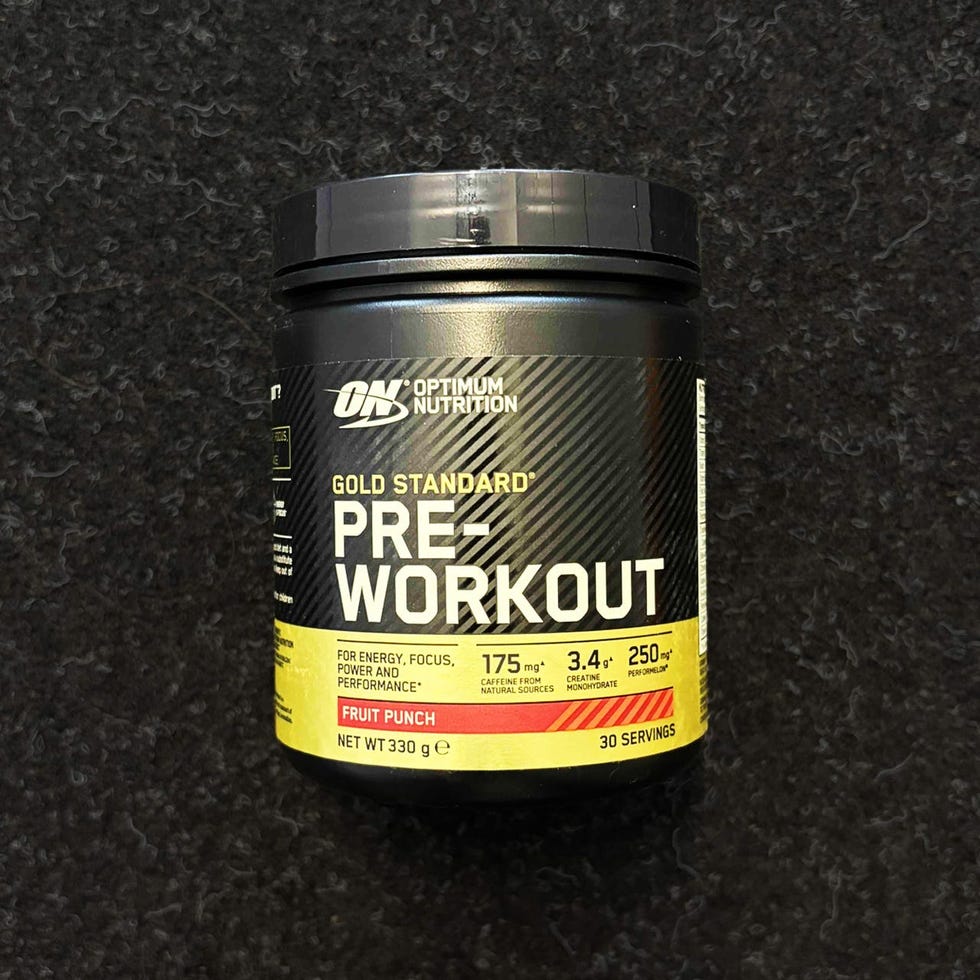 Pros
Pros 175mg of caffeineContains creatineCons
 Contains artificial ingredientsLower dosages of some key ingredients
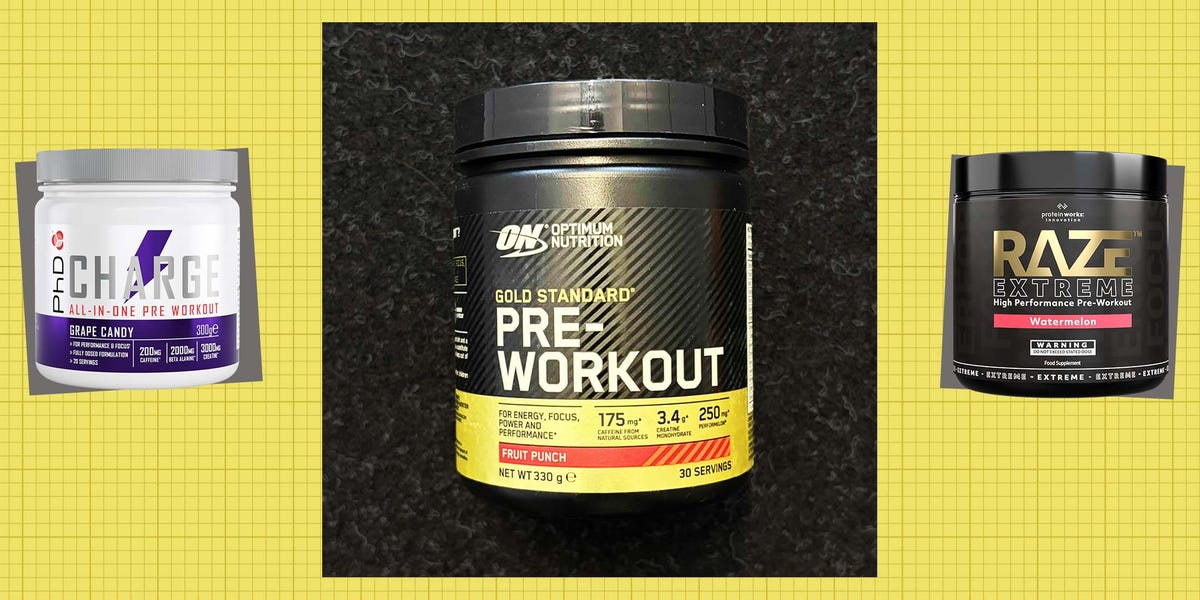
Optimum Nutrition’s Gold Standard Pre-workout is budget-friendly, costing under 40p per serving (at the time of writing), and widely available at most large supermarkets as well as online. For the price, you really can’t beat the quality, especially as it’s Informed Choice certified, so you know you’re getting what’s on the label and nothing that’s not.
Creatine supports muscle growth and recovery from intense exercise, reduces muscle damage, lowers the risk of musculoskeletal injury, and even has neuroprotective effects when taken in doses of 3 to 5 grams. Each serving of this pre-workout has 3 grams of creatine to provide this support and protection during workouts. It also has 1.6 grams of beta-alanine, an amino acid needed for carnosine production in the muscles.
Read More: Best Creatine Supplements
Features at a GlanceCaffeine175mgThird-Party Tested?Yes – Informed Choice
Best pre workout for intense workouts
PhD Charge All in One Pre-Workout with Creatine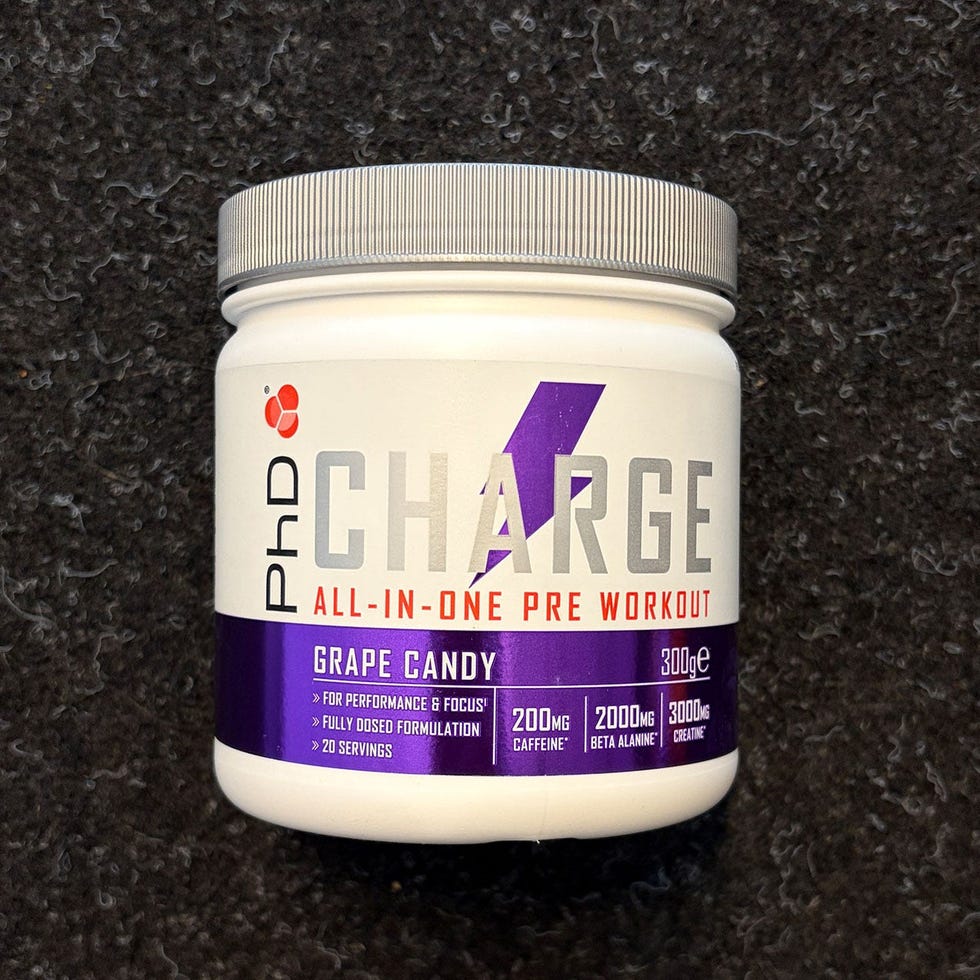 Pros200mg of caffeineContains creatine and BCAAsConsNot third-party testedContains artificial ingredients
This potent pre-workout contains an impressive list of active ingredients that have been scientifically proven to aid performance. On top of the 200mg of caffeine for an explosive hit of energy, each serving contains 3g of beta-alanine, 3g of BCAAs and 3g of creatine, which are known to increase focus, buffer soreness and promote muscle growth.
Sure enough, it kept our testers pushing hard, even during their most demanding sets, and they raved about the flavour, which was a treat to chug as they hyped themselves up ahead of training.
Read More: Best Whey Protein Powder
Features at a GlanceCaffeine200mgThird-Party Tested?No
Advertisement – Continue Reading Below
Best Pre-Workout Gummies
Myprotein Pre-Workout Gummies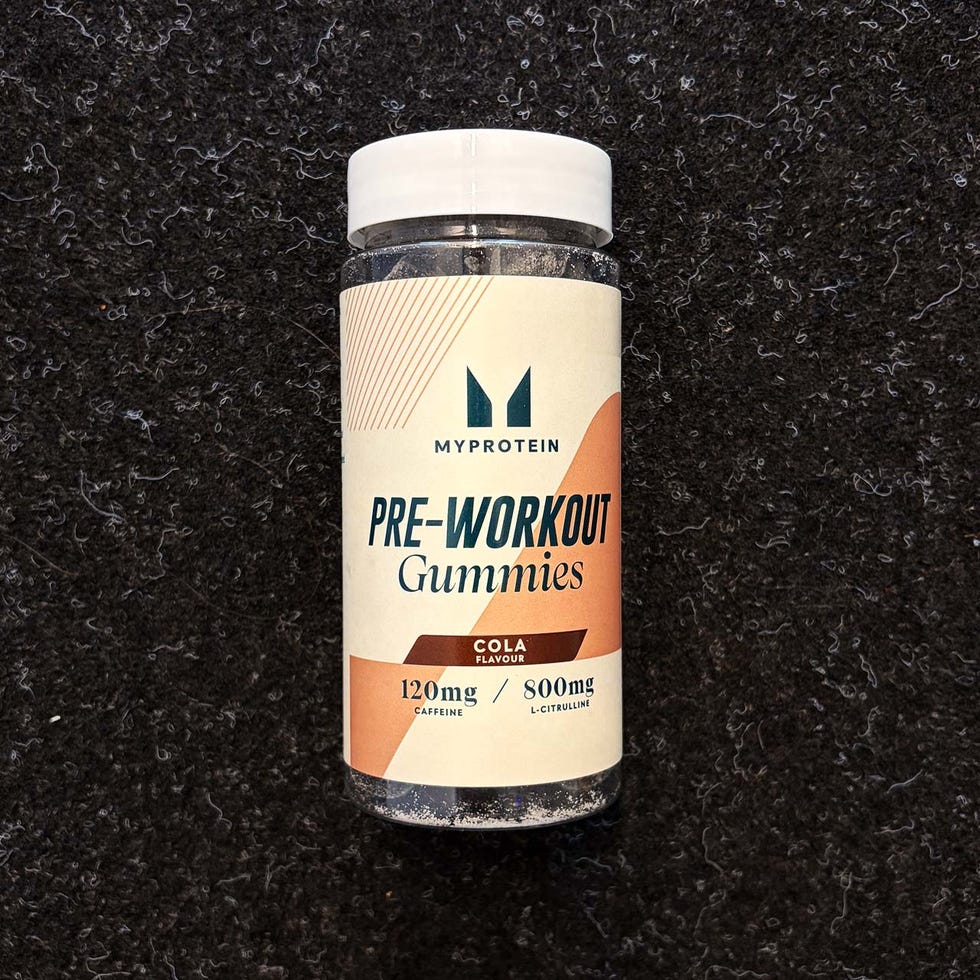 ProsEasy to control caffeine dose at lower levelsA good option for afternoon and evening workoutsConsHigher cost per serving than podwers
If you’re not a fan of drinking your pre-workout before a session, these gummies, which taste just like fruit pastilles, are a solid alternative. One recommended serving (four gummies) provides a gentle (by comparison) 120mg caffeine punch – ideal for PM workouts and those who sensitive to caffeine. These also make for a great option for newcomers to using pre-workout, who can incrementally increase the caffeine dose over time by taking extra gummies – just remember to keep count of how many you’re taking.
Each recommended serving also packs 800mg of L-citrulline for helping to increase endurance and 1.45mg of B vitamins for delaying fatigue. Although note that these also include beef gelatine, so aren’t suitable for vegetarians. At full price, they’re also more costly per serving than powders.
Read More: Best Magnesium Supplements
Features at a GlanceCaffeine30mg per gummyThird-Party Tested?No
Best pre-workout for cardio
Protein Works Raze Extreme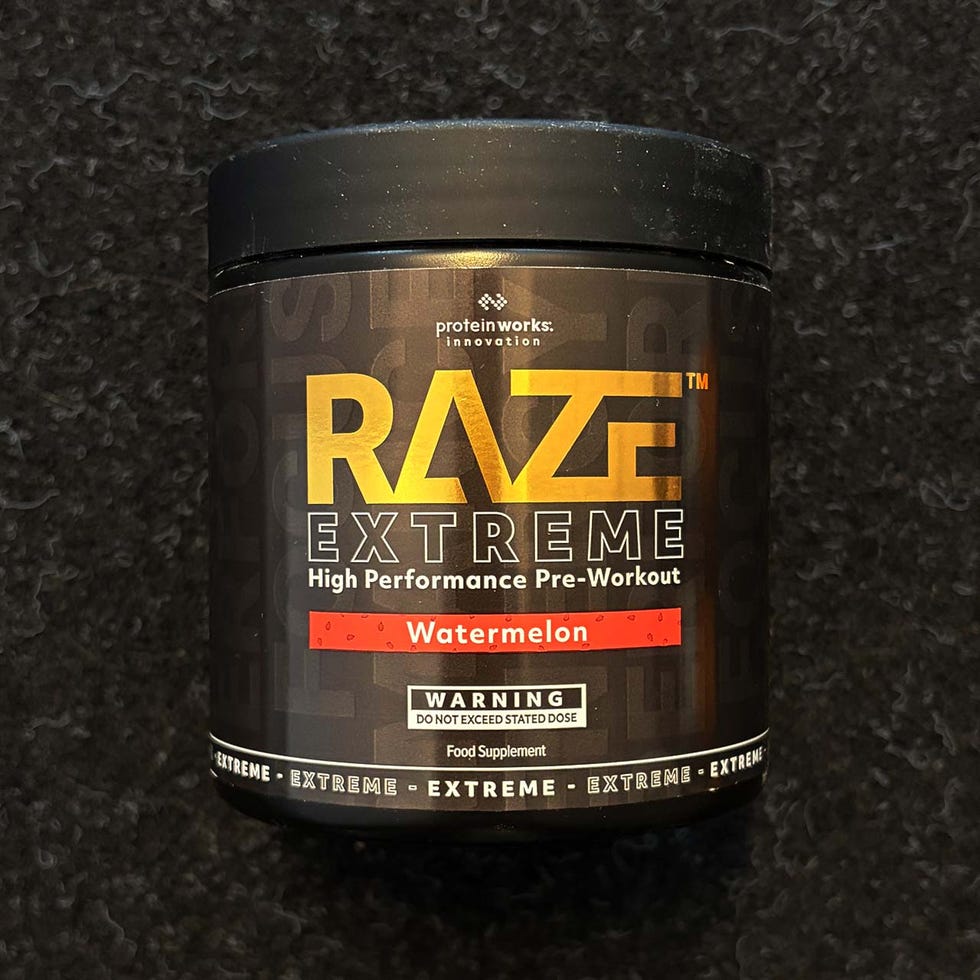 Pros200mg of caffeine per servingContains creatineConsBeginners may find caffeine too strongLow dose of beta-alanine
Protein Works’ pre-workout passed our tests with flying colours. It’s easy to use – simply mix with water – and contains a punchy 200mg of caffeine, 3.5g of creatine (to help avoid injury), 1.5g of beta-alanine (to protect against lactic acid build up and delay muscle fatigue) and EnXtra® (to intensify the effects of the caffeine). It also features a blend of vitamins C, B6, B9 and B12 to combat tiredness.
The impact on our panel’s performance was impressive, facilitating faster runs and successful weights sessions. It’s probably best suited to experienced pre-workout users, however, as one tester said it made them feel quite jittery.
Though on the artificial side, everyone enjoyed the sweet flavour.
Features at a GlanceCaffeine200mgThird-Party Tested?No
Advertisement – Continue Reading Below
Best Pre-Workout for Beginners
C4 Original Pre Workout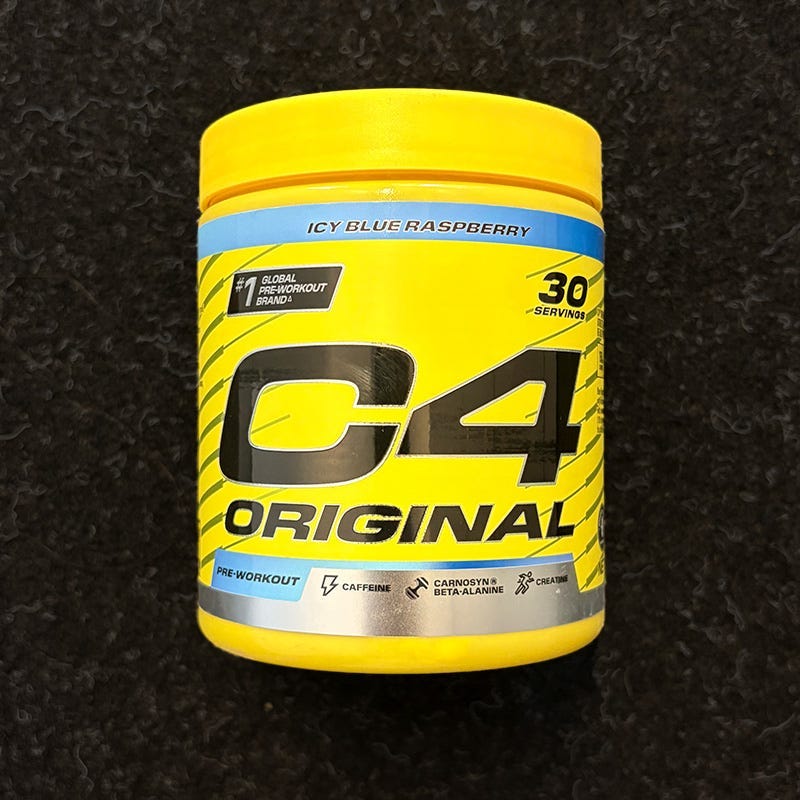 Pros150mg of caffeineGreat tasteConsRegular pre-workout users might want higher caffeine doseOnly 1.5g of creatine
New to pre-workout? This C4 formula is a good starting point. Each serving contains 150mg of caffeine – a comparatively lower dose versus other options listed. You also get a small 1.5g hit of creatine and 1.6g of CarnoSyn Beta-Alanine, an amino acid that enhances muscular endurance and reduces fatigue.
If you’re set on a third-party tested product, consider the C4 Sport Pre-Workout, which has an Informed Sport accreditation. Though it contains less caffeine – 135mg per serving – you get a couple grams extra creatine.
Features at a GlanceCaffeine150mgThird-Party Tested?No
Best Caffeine Free Pre-Workout
Bulk Dope Caffeine Free Pre-Workout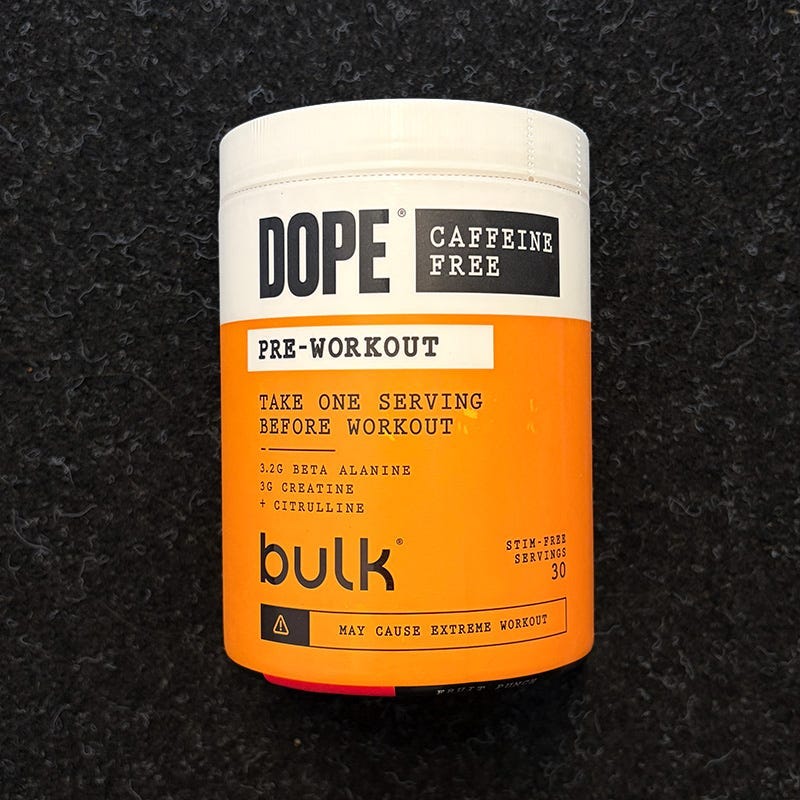 ProsBoosts workout performance without stimulantsSuitable for PM workoutsConsRegular pre-workout users might miss caffeine
If you’re concerned about the caffeine content of your pre-workout, Bulk Powders’ caffeine-free option is a safer bet. Offering similar benefits to conventional pre-workout supplements but without the stimulants, this formula contains an alternative mix of performance-enhancing ingredients, including 3.5mg of beta alanine, 3g of creatine monohydrate and L-citrulline, a non-essential amino acid thought to improve blood flow and reduce fatigue.
If you’re wanting to pair this stimulant-free formula with a regular pre-workout, Bulk has a 200mg caffeine version that also contains 3g of creatine per serving.
Features at a GlanceCaffeine0mgThird-Party TestedNo
Advertisement – Continue Reading Below
 The Pros and Cons of Taking Pre-WorkoutProsImproved performance: Research published in the Journal of the International Society of Sports Nutrition concluded that pre-workout supplements ‘have promise as an ergogenic aid for active individuals.’ Or, in other words, they enhance the performance of people who already exhaust the gym.Increased concentration and focus: Pre-workout is packed with caffeine, which is know to enhance cognition. As research published in the Journal of Alzheimer’s Disease found, caffeine works to boost people’s arousal, mood and concentration, so if you want to be focused on a workout, pre-workout is the supp for you.Enhances athletic performance: The University of Córdoba found the citrulline added to pre-workout could add up to 53% more bench press reps in a workout. In another study, pre-workout containing citrulline was found to give cyclists a 12% longer ride before hitting exhaustion.ConsPossible jitters and sleep issues: Negative side effects caused by overstimulation: if the jitters and interrupted sleep we mentioned earlier don’t sound like fun, perhaps give pre-workout a miss.You can build up a tolerance with overuse: if taken excessively, your body can become immune to pre-workout’s effects. To avoid this, it’s probably best to save pre-workout for those sessions where it’s ‘go hard or go home’ or try cycling the supplement once in a while.It can cause digestion problems: ingredients such as sodium bicarbonate, magnesium, creatine and caffeine can all cause digestion problems. Avoid this by trying different pre-workout supplements until you find one that works for you.Some formulas contain harsh stimulants: Scientists have previously linked the original class of energy drinks to diabetes, mental health problems and kidney damage.What Are the Main Ingredients in Pre-Workout Supplements?
While all pre-workouts include different types of ingredients in different amounts, common ingredients include caffeine, citrulline, beta-alanine, branched-chain amino acids, creatine, tyrosine, and a variety of botanicals that may help support performance or recovery.
How To Take Pre-Workout
Most people take pre-workout around 30 minutes to one hour before they work out, but just because it’s called pre-workout that doesn’t necessarily mean you have to take it prior to your workout. ‘For longer sessions, you could delay until an hour into the session,’ suggests Lovell. Always refer to the label of your pre-workout for specifics.
How Long Does Pre-Workout Take to Work?
When you start exercising, you want to hit the ground running. You don’t want to be waiting around for your pre-workout to kick in, so it’s important to find the sweet spot. For most people, the ideal time is around 30 minutes to one hour before your workout — this should give the supplement enough time to hit your bloodstream and amp you up ahead of your session.
Something to consider, however, is the ‘half-life’ of caffeine. Generally, caffeine has a half-life of around three to seven hours after ingestion. If you’re used to training in the evenings, you want to take half the recommended dose or swap it out for a pre-workout alternative.
Who Should Not Take Pre-Workout?
Men with certain medical conditions, such as heart problems, high blood pressure, or sensitivity to stimulants, should avoid pre-workout supplements.
Is Pre-Workout Dangerous?
Broadly speaking, pre-workout supplements are safe to take on a regular basis when following the manufacturer’s instructions. Of course, when it comes to ingesting caffeine, we all have different thresholds and with some brands tipping over a sensible limit of caffeine content, it can become a risky game.
Bear in mind that figure from the Food and Chemical Toxicology journal: 400mg a day – that’s around two to three cups of coffee — is the upper limit for adults, so be sure to check the per-serving caffeine content of your supplement during your next top-up.
Are There Any Potential Side Effects of Pre-Workout Supplements?
Some ingredients in pre-workout products can cause side effects, depending on what ingredients are included and in what amounts. Beta-alanine, which may cause a tingling effect, and caffeine, which could cause nervousness or jitters, are common side effects.
Advertisement – Continue Reading Below
Best Natural Pre-WorkoutsCoffee
A cup of black coffee (with or without sugar) before your workout is a great way to up your energy levels.
Bananas
Rich in starchy carbohydrates, one banana will contain around 14g of sugar, made of glucose and fructose – two sugar types that are ideal for athletic performance. Bananas are also rich in potassium and magnesium, providing electrolytes to your body that — when lost — will cause muscle cramps and fatigue, so it’s best to keep your levels topped-up. Each banana will contain around 20-27g of carbohydrates, fuelling your muscles before strenuous exercise.
Coconut Water
Like bananas, coconut water is naturally full of electrolytes. With an improper electrolyte balance leading to muscle cramps, stiffness, nausea, headaches and fatigue, drinking coconut water will help top up your body’s electrolyte supply. You’ll want to ditch your energy drink too, because coconut water contains more nutrients per serving and up to 25% fewer calories when compared to market-leading sports drinks.

Lauren Keary is a NASM-certified nutrition coach and fitness/nutrition writer based in the San Francisco Bay Area. She is an ex-collegiate rower, and received her M.A. in magazine journalism and B.A. in literary journalism. She has nearly a decade of professional journalism experience and has covered topics all across the wellness and lifestyles spaces.
Her bylines include Fortune, BarBend, Outside Magazine, Evening Standard, BuzzFeed, Modern Luxury, Women’s Running Magazine, TripSavvy, San Diego Magazine, Orange Coast Magazine, Fitt and FoodBeast.
When she’s not writing or editing, you can catch her walking with her dog and an iced vanilla latte (half sweet) beachside or catching a flight.

Priyankaa is our sleep and wellness expert, specialising in expert-tested reviews and roundups on the latest health and fitness products. From walking boots to running machines, Priyankaa has written about hundreds of products and is passionate about providing in-depth, unbiased reviews. Plus, as an avid runner and gymgoer, she knows exactly what to look for when finding the right gymwear, fitness tracker or earphones.
Priyankaa has an MA in Magazine Journalism from Cardiff University and over five years’ experience in health and fitness journalism. Priyankaa has written for Stylist’s Strong Women Training Club, where she regularly wrote about diversity in the fitness industry, nutrition tips, training advice and her experience completing various fitness challenges. She has also written for a variety of publications including Business Insider, Glamour, Bustle, Metro, HuffPost UK, gal-dem and more. Outside of work, Priyankaa can usually be found trying out a new gym class, seeking out London’s best eats or watching a Spanish TV show in a bid to keep up her language skills.

Luke Chamberlain is the ecommerce editor for Men’s Health UK where he compiles expert-led buying guides and in-depth product reviews across gym wear, fitness tech, supplements, and grooming. Responsible for testing everything from the latest gym headphones to the best manscaping tools, Luke also enlists the help of leading health and wellness experts to help readers make informed choices when shopping online – whether it’s to debunk the latest viral hair growth trend or to get the lowdown on a new type of recovery tech. He also covers major sales events for Men’s Health, such as Black Friday and Amazon Prime Day, scouting and verifying hundreds of discounts in order to recommend only the most genuine deals on offer. A magazine journalism graduate from the University of Sheffield in 2018, Luke has also worked as assistant editor for Outdoor Swimmer magazine and as an ecommerce writer for The Recommended. When he’s not testing the latest health and fitness products, he’s busy plotting routes for his next trail run or gravel ride out of London. Follow Luke on Instagram at @lukeochamb
Advertisement – Continue Reading Below
Advertisement – Continue Reading Below
Advertisement – Continue Reading Below