![[INTERVIEW] Canadian K-beauty explorer challenges brands to strive for inclusivity](https://www.vitaminrush.com/wp-content/uploads/2026/04/1775148811_40c0c226-41f1-4564-b42e-f825b77c2d04-768x1024.jpg "[INTERVIEW] Canadian K-beauty explorer challenges brands to strive for inclusivity")
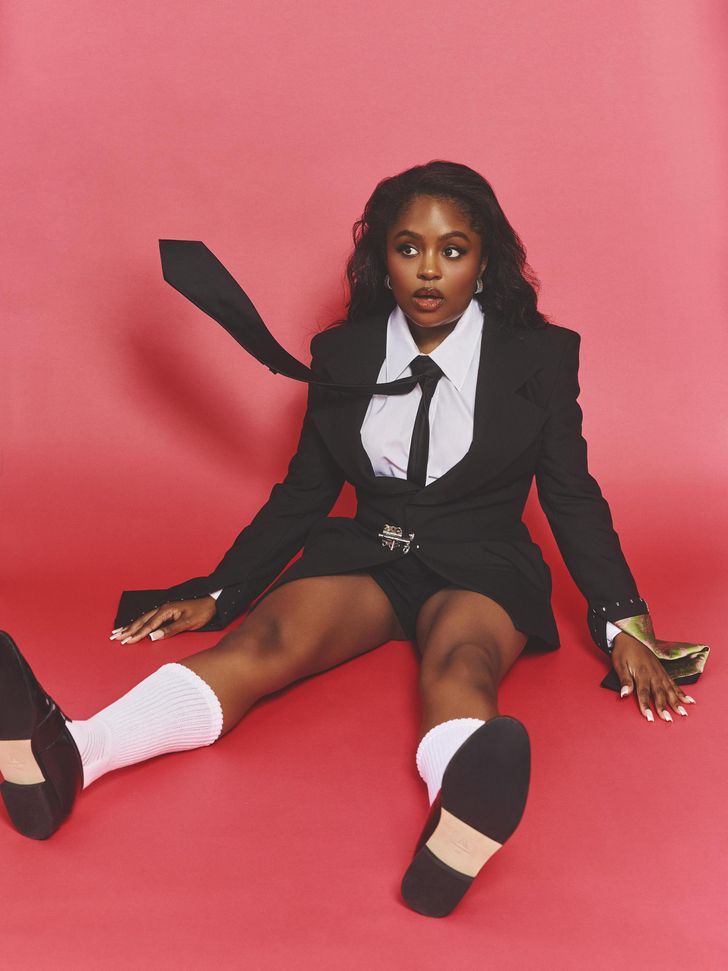
Darcei Giles / Courtesy of Darcei Giles
Companies often face limits when promoting products in ways that effectively reach consumers, especially for items that require careful consideration. Cosmetics are one example. With products now capable of transforming a person’s appearance beyond expectations, choosing the right option has become increasingly challenging for consumers, considering the proliferation of brands, especially in the competitive K-beauty space.
Darcei Giles, a Toronto-based beauty influencer on YouTube with over 4 million subscribers, stands tall between the suppliers and consumers, making an impact on the global beauty market. What has distinguished her from other beauty influencers is not only her skin color but her expertise in K-beauty brands and passion for Korean pop culture.
Addressing her fame, she emphasizes the necessity of her role as a guide for people of color.
“It’s been really positive but also important. I think a lot of people weren’t used to seeing K-beauty tested on deeper skin tones, so my content fills that gap. I’ve definitely attracted a more diverse audience because people want to see how products actually perform on them,” Giles said in an interview with The Korea Times.
Better known as MissDarcei, Giles has successfully leveraged her content to attract massive recognition on social media. TikTok’s 2026 Discover List selected her as one of 10 creators to watch in the innovator category. Last year, she was nominated for Fashion/Beauty Creator of the Year at first TikTok Awards. In 2022, she won the YouTube Streamy Awards for Beauty, becoming the first black creator to win it.
These accolades acknowledged her passion for K-beauty and her work in raising public awareness for social issues such as inclusivity for diverse consumer groups.
“I don’t necessarily see myself as an activist, but I do think visibility matters. Talking about K-beauty and inclusivity together has allowed me to push those conversations forward, especially as the category grows globally,” she said.
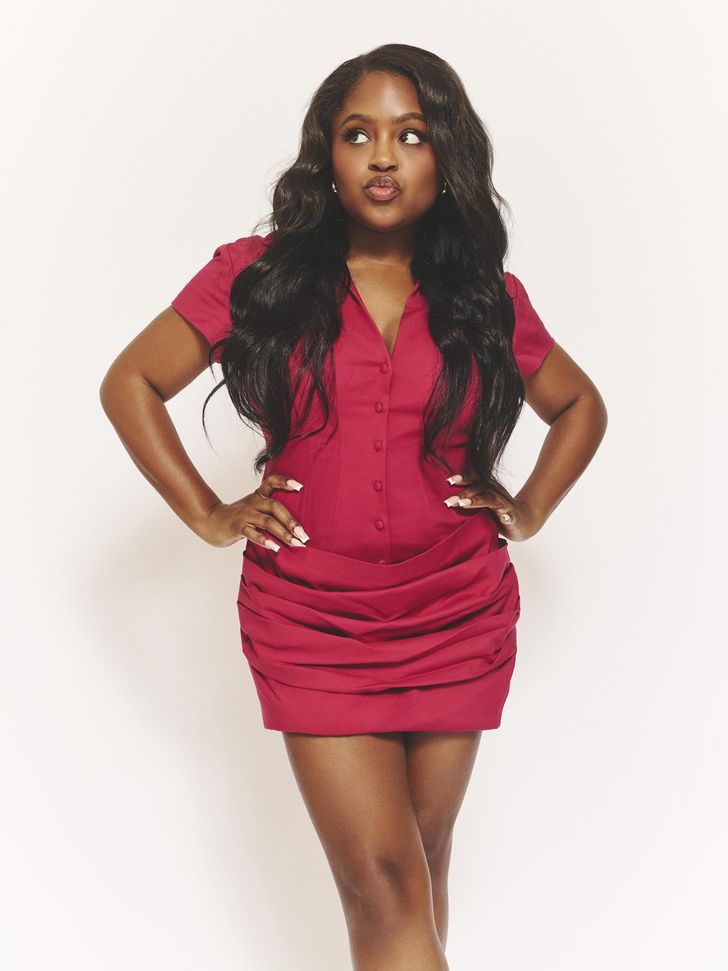
Darcei Giles / Courtesy of Darcei Giles
Giles focuses on K-beauty because she believes Korean cosmetics go deeper than simple cover-up, delivering therapeutic and thus healthier effects. She tested the theory on YouTube through her “Black Girl Tries” series, where she used various brands and shared her views.
“I tested makeup styles you don’t usually see on black women. It was meant to be fun and entertaining, but it ended up resonating with a lot of people and growing into my career,” she said.
“K-beauty is very focused on skin health first, hydration, barrier care, layering, rather than just coverage or quick fixes. The textures are also more innovative. My audience loves that it feels more like long-term care, not just makeup or treatment.”
Giles’ online buzz has moved some Korean firms to reach out. Elleven, which runs signature skincare brand Parnell, recently collaborated with her to promote its Cicamanu Serum lineup with a color range of 40 different shades. In 2024, Goodai Global hired her as an ambassador for its signature brand Tirtir while undergoing market expansion in the United States.
“Those partnerships came organically from my content. I was already reviewing their products and talking about shade ranges, so the brands reached out. I’m always open to working with K-beauty brands, especially ones that are thinking about inclusivity in a real way,” she said.
That global outlook is crucial as K-beauty is now everywhere, not only in Korea or major cities around the world.
“K-beauty is huge now. A few years ago it felt niche and now it’s everywhere, from specialty stores to mainstream retailers. People aren’t just curious anymore, they’re educated. They know ingredients, textures and routines, and they expect that same innovation from other brands too,” she said.
Meanwhile, Giles’ relationship with K-beauty has helped shape her own future.
“Right now, I’m focused on building something long-term, expanding my work beyond content and moving toward creating my own brand. I also want to continue bridging the gap between K-beauty and a more global, diverse audience.”