Data published in Annals of Agricultural and Environmental Medicine indicated that chewable tablets delivering 20 mg per day of heat-inactivated L. salivarius HM-6 Paradens led to increases in levels of Lactobacillus spp. and significant decreases in levels of Streptococcus mutans.
“Short-term oral supplementation of non-viable Lactobacillus salivarius selectively influences the interactions between Lactobacillus spp. and S. mutans in the supra-gingival plaque biofilm,” wrote scientists from the Institute of Dentistry at Jagiellonian University Medical College in Kraków. “This relationship may play a significant role in the prevention of caries by stabilizing the oral ecosystem.”
S. mutans
Much of the research into the oral health benefits of probiotics has focused on Streptococcus mutans, the main bacteria associated with tooth decay. S. mutans binds to teeth via aggregation forming dental plaque. The bacteria then convert sugar to acid, which attacks the enamel of the teeth.
“The findings of the study indicate that probiotics selectively reduce S. mutans counts and restore plaque microbiome balance and are consistent with recent studies and meta-analyses,” wrote the researchers.
Interestingly, the data also showed that the parental/caregiver guidance on oral hygiene in the control group also led to significant reductions in S. mutans counts, supporting the benefits of toothpaste when closely integrated with supervised care.
“In the Polish context of high ECC burden, comprehensive programs combining caregiver-focused health care and fluoride with supplemental probiotics for selected high-risk children seem the most appropriate,” wrote the researchers.
Study details
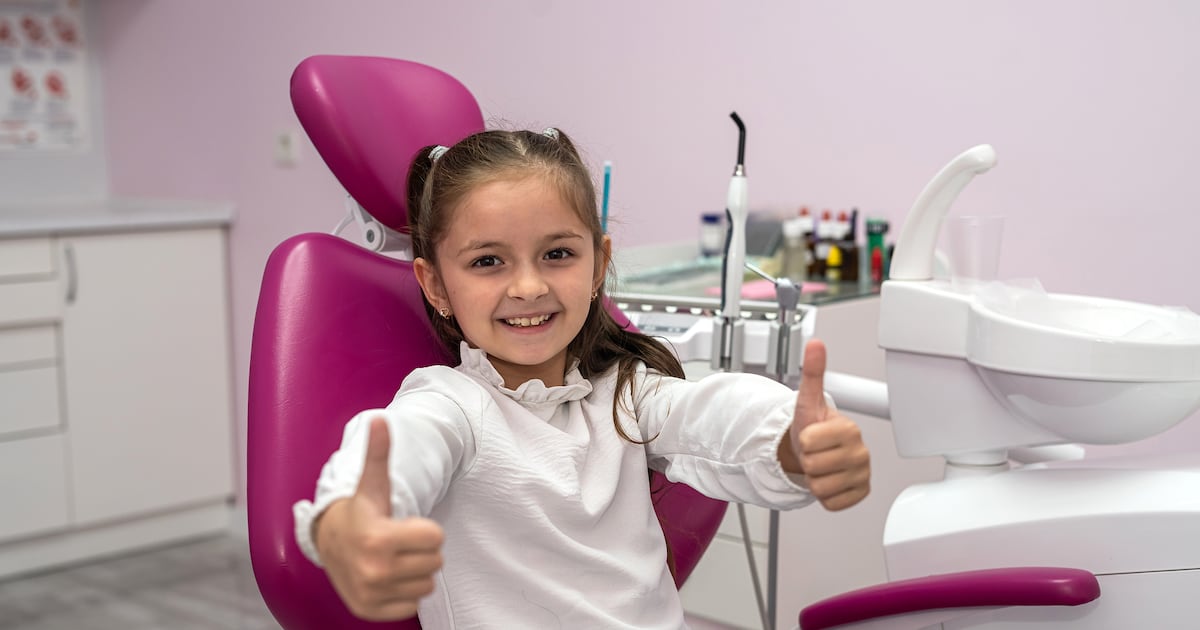
The Kraków-based scientists recruited 72 children aged between 3 and 6 to participate in their randomized pilot study. All the children were given parental guidance on oral hygiene, and half the children were randomly assigned to also receive commercially available chewable tablets (Acidolac Dentifix Kids by Polpharma) containing postbiotic L. salivarius HM-6 Paradens for two weeks.
Results showed that S. mutans increased in the control group but decreased in the probiotic group. In addition, Lactobacillus spp. increased in the probiotic group and decreased in the control group.
Both groups experienced decreases in levels of Candida albicans, a pathogenic yeast also linked to childhood tooth decay.
Commenting on the potential mechanism(s) of action, the researchers stated that in vitro data suggests L. salivarius HM6 Paradens competes with S. mutans for nutrient substrates and may inhibit the biofilm formation of streptococci and yeast in the mouth. They also noted that the strain may produce signaling molecules. However, these proposed mechanisms are specific to live probiotics and not inactive postbiotics, as used in this study, and therefore future studies will need to elucidate the postbiotic mechanisms of action.
The mouth as the ‘gateway’ to the body
Home to an estimated 20 billion bacteria at any given time, including 16 phyla, 230 genera and 770 species, the oral microbiome is made up of anatomically diverse micro-environments, with different communities living on the teeth, tongue, cheeks and gums.
In a healthy state, these microbes live in balance, protecting the host, but when this balance becomes disrupted, pathogens and other harmful bacteria can multiply, leading to dysbiosis.
Several lifestyle factors can cause oral dysbiosis, including diet, stress, poor oral hygiene, medical interventions and hormonal changes, which can have a significant impact on health. This is a pressing issue, given that an estimated 3.5 billion people are affected by oral diseases worldwide and the burden is increasing, particularly in low- and middle-income countries.
Source: Annals of Agricultural and Environmental Medicine, 2026, 33(1):31-38. doi: 10.26444/aaem/211598. “Effects of a Lactobacillus salivarius probiotic short-term intervention on S. mutans, Lactobacillus spp. and C. albicans – a randomized pilot study with pre-school children”. Authors: M. Staszczyk, et al.