It’s a familiar problem: long days, packed schedules, and meals that get pushed aside or replaced with something quick that doesn’t really satisfy. For years, protein bars have tried to fill that gap, but most fall somewhere between a snack and a supplement.
Now, a new product is trying to reset expectations entirely.
Photo credit: Canva Pro
A bar designed to act like a full meal
Tim Laros, co-founder of ABC 360, has introduced a protein bar positioned less as a snack and more as a complete-meal alternative.
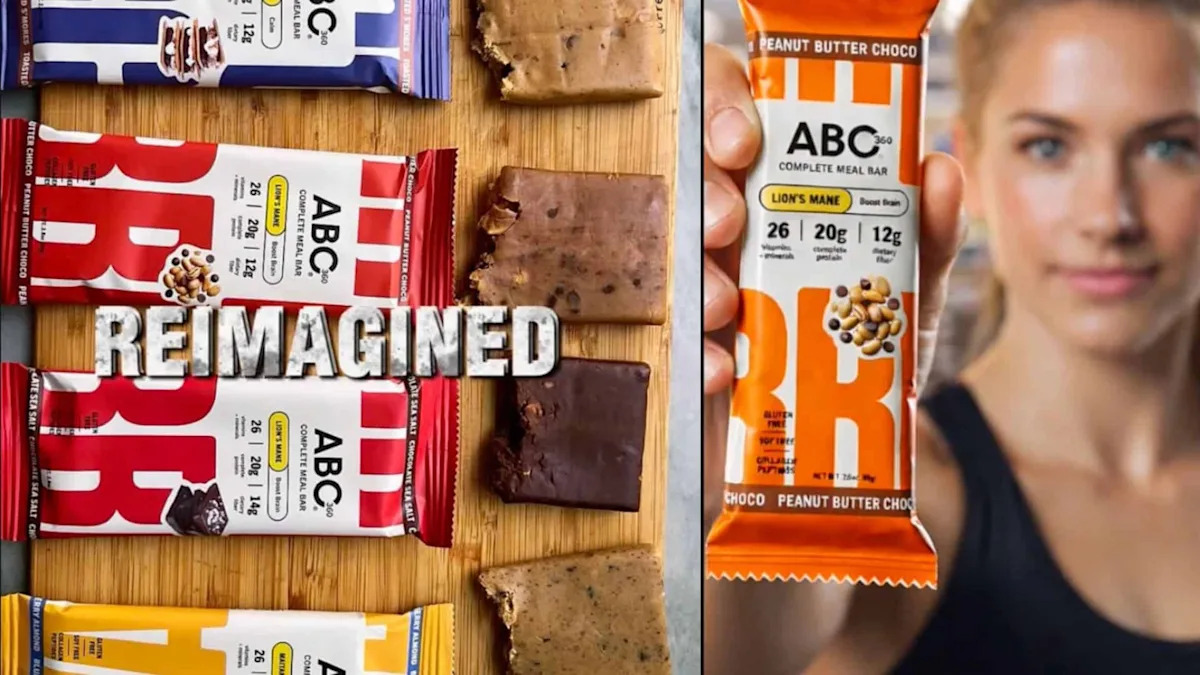
The idea is straightforward but ambitious. Instead of focusing on only protein content, the bar is designed to mimic the balance of a typical meal. Each bar contains about 20 grams of protein, 12 grams of fiber, and a blend of 26 vitamins and minerals, and ranges from 320 to 350 calories.
This combination brings it closer to the nutritional profile of a light meal than to that of a traditional grab-and-go bar.
Most products in this category are designed around a single metric, such as protein, and often ignore other ingredients, such as fiber. This new approach attempts to fill those gaps by combining protein, fiber, vitamins, and calories in a way that feels more complete.
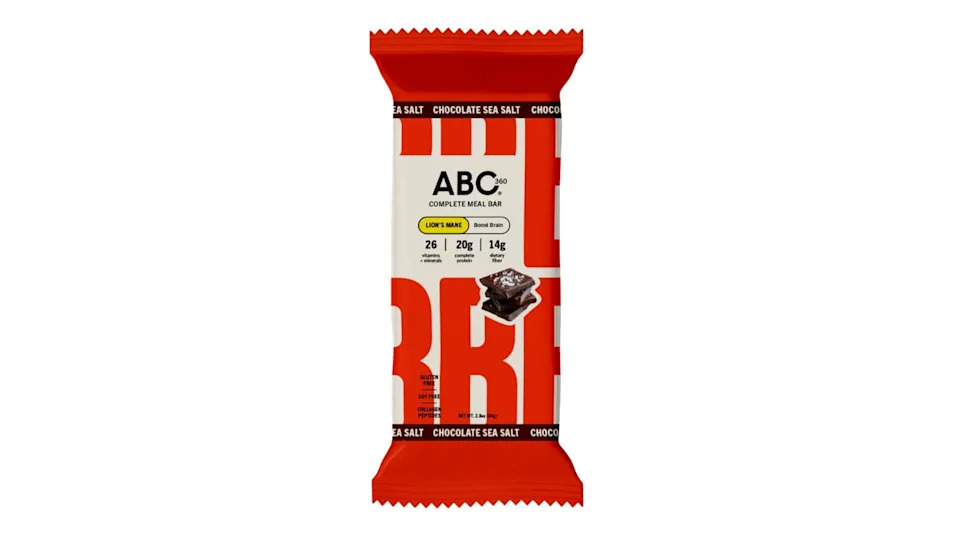
Image Credit: ABC360bar.com
Built for real-life
While protein bars have long been associated with fitness culture, ABC 360 is leaning into a broader audience.
The product is aimed at people navigating busy routines, such as commuters, parents, travelers, and basically anyone who finds themselves skipping meals or relying on convenience food that doesn’t hold them over. The goal is to create something that can realistically stand in for breakfast or lunch when time runs short.
That shift reflects a growing demand for foods that fit into everyday life, not just gym bags.
Ingredients
Beyond the headline nutrition stats, the company is also leaning heavily into ingredient transparency and formulation.
The bars are made without artificial flavors, preservatives, sweeteners, colors, or dyes. Flavoring comes entirely from plant-based or naturally occurring sources, and even the stabilizers and carriers used in the process are sourced and disclosed with health in mind.
On the nutrition side, the bars contain a blend of 26 vitamins and minerals. Sweetness comes from organic honey rather than artificial alternatives, keeping added sugars relatively low.
The ingredient list also reflects current consumer preferences. The bars are made with non-GMO ingredients and include wild-caught Alaskan cold-water fish collagen as a protein source. They are free of gluten, soy, dairy, seed oils, and synthetic dyes, making them a cleaner option in a crowded category.
What makes it different from typical protein bars
Beyond the headline nutrition stats, ABC360 emphasizes how the bar is put together.
It uses a multi-source protein blend designed to be easier to digest, paired with higher fiber content for longer-lasting fullness. The inclusion of micro-encapsulated vitamins and minerals is meant to support better absorption, rather than simply adding nutrients for label appeal.
Taken together, the focus is less on quick energy and more on sustained, balanced nutrition.
Part of a bigger shift in convenience food
The launch comes at a time when the convenience food category is evolving.
People are paying closer attention to ingredient quality and how foods actually fit into daily routines. The rise of meal replacement shakes and “complete nutrition” products points to a broader shift away from empty convenience toward something more intentional.
ABC 360 is positioning itself within that movement, aiming to bridge the gap between speed and substance.
Why this matters
Until now, convenience food was a compromise. Either choose something fast or something nutritious. Products like this bar try to close the gap.
As people’s schedules get busier and their eating habits shift towards more nutritious, healthy options, the demand for a food that can truly replace a meal is growing. Whether this bar lives up to that promise remains to be seen, but it reflects a clear direction: people want food that works as hard as they do, without cutting corners on nutrition.