BUFORD, Ga., April 3, 2026 (Newswire.com)
–
Disclaimers: This article contains affiliate links. If you click on these links and make a purchase, a commission may be earned at no additional cost to you. This compensation does not influence the accuracy or integrity of the information presented. This is not medical advice – always consult a qualified healthcare professional before starting any new supplement, particularly if you have existing health conditions, take prescription medications, or have a diagnosed liver condition.
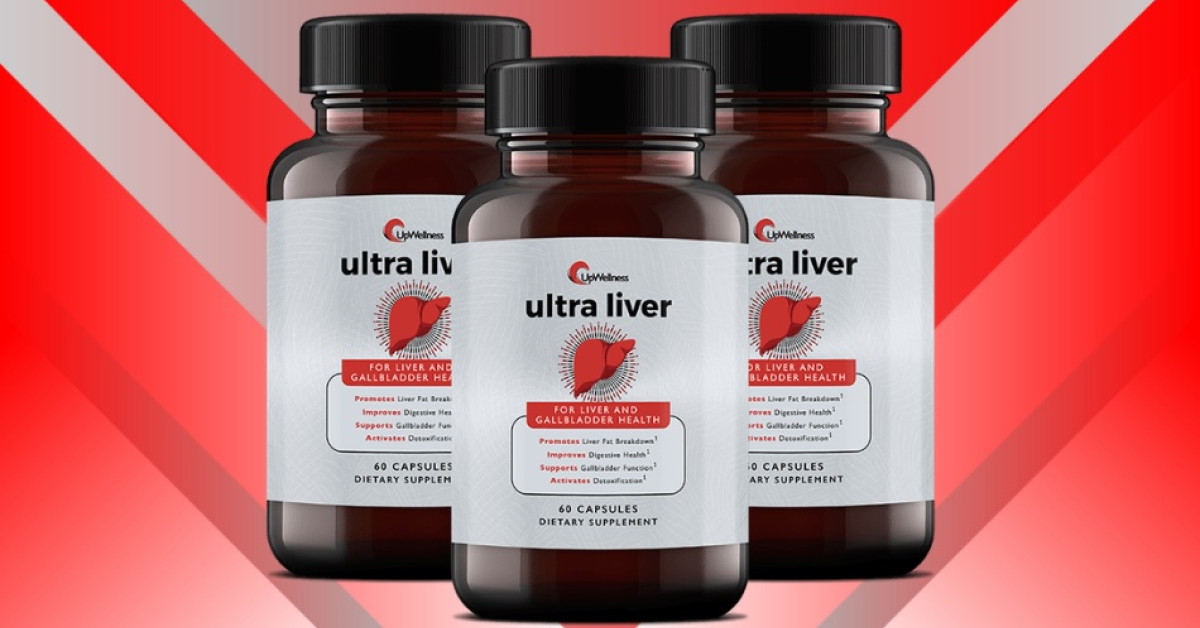
UpWellness Ultra Liver: Ingredient Analysis and Consumer Guide to Liver and Digestive Support in 2026
You saw an ad. Maybe it was Facebook, maybe YouTube – a doctor explaining something called “sticky bile,” and why your energy, your digestion, and that belly fat that won’t budge might all trace back to a liver that isn’t processing things the way it used to. Something about it rang true enough that you typed the product name into Google.
So here you are. And the only job this article has is to give you the most accurate, honest picture available – what the formula contains, what the ingredient-level research does and doesn’t support, what the brand is claiming, where those claims go beyond the evidence, and whether any of this makes sense for your specific situation.
If the product is a good fit for you, you will know it by the end. If it is not, you will know that too. That is the whole point.
View Ultra Liver on the official UpWellness website
Disclosure: If you buy through this link, a commission may be earned at no extra cost to you.
Why People Are Searching for This Product Right Now
Most people who find this article fall into one of a few situations. Naming them upfront saves time, because which one applies to you shapes everything that follows.
You tried to reset your health in January, but something still isn’t clicking. Three months in, the bloating persists after meals. The energy has not come back the way you expected. The belly fat that was supposed to respond to eating better and moving more has barely moved. You are not looking for another crash plan – you are looking for an explanation.
You have a specific digestive complaint that nothing has fully addressed. That heavy, uncomfortable feeling after eating something fatty. Gas that makes no sense given what you ate. Digestion that used to be automatic and now requires management. Probiotics helped a little. Not enough.
You had your gallbladder removed and your digestion changed. Surgery resolved the gallbladder problem. Fat digestion has been uncomfortable ever since, and nobody handed you a clear roadmap for what to do about it.
You have had blood work showing elevated liver enzymes or early fatty liver. You want to do something supportive alongside whatever your doctor has recommended – not replace medical guidance, but complement it.
You are skeptical and want a straight read. The “sticky bile” framing sounded either genuinely illuminating or like polished marketing. You want someone to tell you which it is without an agenda in either direction.
All five of these readers will find what they need here.
What Is UpWellness Ultra Liver?
Ultra Liver is a dietary supplement produced by UpWellness, LLC – a naturopathic supplement company whose formula is attributed to Dr. Joshua Levitt, ND. According to the brand’s official product page, Dr. Levitt has over 20 years of clinical experience in naturopathic medicine. The company was co-founded by Dr. Levitt, his wife Dr. Amanda Levitt, ND, and Jake Carney.
The formula comes in capsule form – 60 capsules per bottle, two per day, taken one to two hours after a meal according to the brand’s published dosage directions. Each bottle provides a 30-day supply.
The brand’s positioning, as stated on the official product page: UpWellness markets Ultra Liver as addressing what it describes as “Sticky Bile” – a concept the brand presents as a contributor to digestive discomfort and metabolic challenges. The formula is built around what UpWellness calls “Sticky Bile Syndrome,” the brand’s proprietary construct describing bile that becomes too thick to flow efficiently, impairing fat digestion and liver function.
That framing needs one clarification right at the start, because it matters for everything that follows: “Sticky Bile Syndrome” is UpWellness’s own marketing construct, not a recognized clinical diagnosis. The brand makes this explicit on their product page, framing it as something “most doctors don’t know about because it’s not taught in medical school.” The underlying physiology of bile viscosity affecting fat digestion and liver function has grounding in real biology, and some ingredients in this formula have research on bile flow, antioxidant support, and liver-related biomarkers. But the brand’s proprietary framing is a marketing concept, not an accepted medical term – and the leap from that concept to “root cause of stubborn belly fat” goes further than independent research formally supports.
Holding that distinction clearly is what separates an informed purchase decision from a marketing-driven one.
These statements have not been evaluated by the Food and Drug Administration. This product is not intended to diagnose, treat, cure, or prevent any disease. Always consult your physician before starting any supplement.
The Biology Worth Understanding: Liver, Bile, and What Actually Connects to How You Feel
Before evaluating specific ingredients, it helps to understand the system they are targeting – at the level that explains why you might be experiencing what you are experiencing, not at a textbook level.
Your liver is performing over 500 distinct functions continuously. It filters blood, produces bile, metabolizes fats and carbohydrates, regulates blood sugar, processes medications and alcohol, and synthesizes proteins the body depends on. It receives approximately 1.5 liters of blood per minute. It is the most metabolically active organ in the body and also one of the most resilient – it can regenerate from significant damage in ways other organs cannot. That same resilience is part of why liver dysfunction tends to express itself quietly: fatigue that does not lift, digestion that feels unreliable, weight that does not respond the way it used to.
The liver and gallbladder work as a paired system for fat digestion. The liver produces bile, a digestive fluid made of bile acids, cholesterol, bilirubin, and water. The gallbladder stores and concentrates it. When you eat fat, the gallbladder contracts and releases bile into the small intestine, where it emulsifies the fat into smaller droplets that digestive enzymes can then break down. When that process is efficient, fat digestion is smooth. When bile production, composition, or flow is impaired, fat digestion suffers, which produces the symptoms many Ultra Liver users describe: heaviness after fatty meals, gas, bloating, and difficulty with weight management.
The liver-fat metabolism connection the brand is pointing to. Research has documented a meaningful relationship between liver function and adipose tissue, particularly visceral fat. Non-alcoholic fatty liver disease – which affects a substantial portion of the adult population and is increasingly referred to as metabolic dysfunction-associated steatotic liver disease (MASLD) – is characterized by fat accumulation in the liver and is strongly associated with central obesity. The relationship runs in multiple directions: excess caloric intake promotes liver fat accumulation, and liver fat accumulation impairs the metabolic processes that regulate weight. This is real, documented biology. The brand’s implication that improving bile flow directly resolves stubborn belly fat simplifies this relationship considerably – but the liver-metabolism connection they are pointing to is grounded in physiology, not invented.
What “sticky bile” means in biological terms, without the brand’s framing. Bile composition does change over time. Research has found that factors such as high saturated fat intake, sedentary behavior, aging, and rapid weight fluctuations are associated with changes in bile consistency and flow. When bile becomes less fluid, gallbladder motility can suffer, fat digestion becomes less efficient, and downstream effects accumulate. Whether calling this a “syndrome” is accurate or an overstatement is a reasonable question. The physiology, however, is not fabricated.
This is an educational context, not medical advice. If you have specific concerns about your liver or gallbladder health, consult your healthcare provider for evaluation.
The 10 Ingredients: What the Research Shows
According to the official UpWellness product page, Ultra Liver contains the following active ingredients: TMG (Trimethylglycine), NAC (N-Acetyl Cysteine), Taurine, Milk Thistle Extract (Silymarin), Artichoke Leaf Extract, Reishi Mushroom Extract, Schisandra Berry Extract, Berberine, Glutathione, and Dandelion Root.
Critical framing for everything that follows: All research cited in this section is ingredient-level research – studies examining these compounds independently, in specific populations, under controlled conditions. This research does not constitute proof that Ultra Liver, as a finished product, produces the same outcomes. No published finished-product clinical trial data were identified in publicly available sources reviewed for this article. The individual ingredient doses in the formula are not fully disclosed. These findings do not mean this supplement replaces prescribed medical treatment for any condition.
TMG – Trimethylglycine
TMG, also called betaine, is a naturally occurring compound found in beets, spinach, and whole grains. It functions in the body as a methyl donor, participating in methylation reactions essential for liver cell function, fat metabolism, and homocysteine regulation. According to the brand’s product page, UpWellness describes TMG as the formula’s “bile thinner” that “prevents bile from becoming thick and sticky.”
What the research shows. A review published in Nutrients examined betaine’s hepatoprotective properties and found evidence for its role in supporting hepatic lipid metabolism and reducing hepatic fat accumulation. Research has also examined TMG in the context of non-alcoholic fatty liver disease, with some findings suggesting support for liver enzyme markers. TMG’s relationship to bile fluidity runs through its role in phosphatidylcholine production – a bile component that affects consistency. The “bile thinner” label is the brand’s own framing; the underlying mechanism is consistent with the research, though characterizing it as a direct bile-thinning agent goes beyond what the published science formally states.
NAC – N-Acetyl Cysteine
NAC is the most clinically validated ingredient in this formula. It is the precursor to glutathione – the body’s primary endogenous antioxidant – and is used in clinical settings as an antidote for acetaminophen overdose because of its ability to rapidly restore hepatic glutathione levels and protect liver tissue from oxidative damage. According to the brand’s product page, UpWellness describes NAC as the formula’s “master protector” that “boosts glutathione production to neutralize toxins, thin bile, and restore proper liver detox function.”
What the research shows. Multiple published studies have examined NAC in liver-relevant contexts. Research has found that NAC can improve glutathione synthesis in the liver and support liver function parameters in populations experiencing liver stress. A study published in Hepatology Research examined NAC in participants with non-alcoholic fatty liver disease and found favorable associations with liver enzyme levels. The NAC-glutathione relationship is among the most well-documented mechanisms in liver biochemistry. The bile-thinning claim specifically is more speculative than NAC’s well-established role as a liver antioxidant support agent – but the overall liver support profile is substantive.
Some ingredients in this formula, including NAC, may affect blood clotting parameters or interact with certain medications. Consult your healthcare provider before starting, particularly if you take prescription medications.
Taurine
Taurine is an amino acid found in animal proteins and produced in limited quantities by the body. Its specific relevance to liver health centers on bile acid conjugation – taurine is one of the building blocks the liver uses to produce bile salts, which are essential for fat emulsification in the digestive system. According to the brand’s product page, UpWellness describes taurine as the formula’s “bile flow booster” that is “essential for fat digestion and especially important for people who’ve had gallbladder surgery.”
What the research shows. Research has examined taurine’s hepatoprotective properties, finding associations with reduced oxidative stress in liver cells and support for fat processing capacity. The biological mechanism – taurine’s direct role in bile acid conjugation – is well-established biochemistry. The brand’s “bile flow booster” label is their framing; the underlying mechanism is among the more defensible in the formula. This is ingredient-level research.
Milk Thistle Extract – Silymarin
Milk thistle is the most extensively researched botanical in the liver supplement category. Its active compound, silymarin, has been studied for decades in the contexts of liver disease, hepatotoxicity, and liver cell protection. According to the brand’s product page, UpWellness describes milk thistle as the formula’s “liver regenerator” that “protects liver cells from damage while supporting the liver’s incredible ability to heal and regenerate itself.”
What the research shows. A systematic review in the American Journal of Gastroenterology examined silymarin across multiple study populations and found evidence supporting hepatoprotective properties through antioxidant, anti-inflammatory, and membrane-stabilizing mechanisms. Research has examined silymarin in alcoholic liver disease, viral hepatitis, drug-induced liver injury, and fatty liver contexts. Mainstream academic medical institutions have generally acknowledged milk thistle as a relatively safer and better-evidenced botanical option within the supplement category compared to many alternatives, while noting the overall evidence base remains incomplete. Milk thistle is the formula’s most independently established ingredient. This is ingredient-level research.
Artichoke Leaf Extract
Artichoke leaf extract has a research background specifically in bile and liver function. Its primary active compounds – cynarin and luteolin – are thought to stimulate bile production and flow. According to the brand’s product page, UpWellness describes artichoke leaf as the formula’s “digestion enhancer” that “stimulates bile production and improves the breakdown of fats.”
What the research shows. A randomized controlled trial published in Phytomedicine found that artichoke leaf extract was associated with improvements in liver function enzymes and lipid profiles over 12 weeks in a specific study population. Other studies have examined artichoke’s role in stimulating bile production. Research has also found anti-inflammatory effects on liver cells. This is ingredient-level research.
Reishi Mushroom Extract
Reishi (Ganoderma lucidum) is a medicinal mushroom with a substantial research history in immune modulation and antioxidant activity, and a growing body of research examining liver protection. According to the brand’s product page, UpWellness describes reishi as the formula’s “inflammation fighter” that “reduces liver inflammation while boosting immune function.”
What the research shows. Studies published in hepatology and ethnopharmacology literature have examined reishi’s hepatoprotective properties and antioxidant activity in liver tissue. Reishi also contains compounds that appear to support glutathione levels, connecting to the formula’s overall antioxidant rationale. Human clinical data specifically for liver applications is more limited than for milk thistle or NAC. This is ingredient-level research.
Schisandra Berry Extract
Schisandra chinensis is a botanical used in traditional East Asian medicine with modern research examining its hepatoprotective properties. Its active compounds – lignans, particularly schisandrin – have been studied for antioxidant effects in liver tissue and associations with liver enzyme normalization. According to the brand’s product page, UpWellness describes schisandra as the formula’s “liver protector” that “shields liver cells from oxidative stress and toxin damage.”
What the research shows. A review in Phytochemistry Reviews documented schisandra’s antioxidant, anti-inflammatory, and liver enzyme-modulating properties at the compound level. This is ingredient-level research.
Berberine
Berberine is a plant alkaloid with growing research in metabolic health. While much prominent research focuses on blood sugar regulation, studies have also examined its effects on liver fat accumulation and liver enzyme markers. According to the brand’s product page, UpWellness describes berberine as the formula’s “metabolic balancer” that “helps regulate healthy blood sugar levels and supports the liver in maintaining overall metabolic function.”
What the research shows. A meta-analysis published in Medicine examined berberine’s effects on non-alcoholic fatty liver disease across multiple studies and found favorable associations with liver outcome measures. Berberine also has documented effects on gut microbiome composition, which is relevant to liver health through the gut-liver axis – the bidirectional relationship between gut bacteria and liver function that has become a significant focus of hepatology research. This is ingredient-level research.
Berberine interaction note: Berberine has meaningful potential interactions with blood sugar medications (including metformin), blood thinners, and certain antibiotics. If you take any of these, a physician or pharmacist consultation before starting this formula is essential, not optional.
Glutathione
Glutathione is the body’s primary endogenous antioxidant and a central participant in the liver’s detoxification pathways. It neutralizes reactive oxygen species, supports toxin conjugation and elimination, and maintains the integrity of liver cell membranes. According to the brand’s product page, UpWellness describes glutathione as the formula’s “master antioxidant” that “protects liver cells from toxins and neutralizes free radicals.”
What the research shows. A randomized controlled trial published in the European Journal of Nutrition found that oral glutathione supplementation raised blood glutathione levels and reduced oxidative stress markers in a study population. The bioavailability question – whether orally supplemented glutathione reaches the liver in clinically meaningful concentrations – is an ongoing area of research, with more recent studies on reduced glutathione forms finding improved absorption. The formula’s dual approach of including both NAC (which supports endogenous glutathione production) and exogenous glutathione reflects this consideration. This is ingredient-level research.
Dandelion Root
Dandelion root has been used in traditional herbal practice for liver and gallbladder support across multiple cultures, with a growing body of modern research examining its mechanisms. According to the brand’s product page, UpWellness describes dandelion root as the formula’s “digestive cleanser” that “promotes healthy liver detox, stimulates bile production, and supports smooth digestive function.”
What the research shows. Studies have examined dandelion root’s effects on bile flow, digestive function, and antioxidant activity in liver tissue. Human clinical data remains more limited than for milk thistle or artichoke, but research direction is consistent with the traditional use and the formula’s bile-focused rationale. This is ingredient-level research.
All research cited in this section covers individual ingredients as studied independently. No published finished-product clinical trial data was identified in publicly available sources reviewed for this article. Individual ingredients may also be present at doses that differ from those studied in the research above, as specific per-ingredient doses are not publicly disclosed. These findings do not mean this supplement replaces prescribed medical treatment.
The Brand’s Claims vs. What the Evidence Supports
This is where most supplement content either goes fully promotional or dismisses everything. Neither serves the reader. Here is the honest read on each major claim.
Claim: “Sticky Bile Syndrome” is the root cause of stubborn belly fat and digestive problems. The honest read: The brand is describing real physiology through proprietary marketing language. Bile viscosity does affect fat digestion, gallbladder function, and downstream metabolic efficiency – and the liver-visceral fat relationship is documented in research. But “Sticky Bile Syndrome” is UpWellness’s own construct, not a recognized clinical diagnosis. And the “root cause” framing dramatically oversimplifies weight accumulation, which involves caloric balance, hormones, sleep, stress, insulin sensitivity, genetics, and many other variables alongside liver function. The liver piece the brand is pointing to is real. Calling it the singular root cause of belly fat is marketing language.
Claim: Ultra Liver supports healthy bile flow and bile quality. The honest read: Several ingredients in this formula – taurine, artichoke leaf, dandelion root, and TMG – have documented mechanisms related to bile production, bile salt synthesis, or bile composition. The underlying biology is directionally accurate. Whether the specific doses in this formula achieve meaningful bile-related effects in any individual is not independently verifiable from the published research.
Claim (from Dr. Levitt, as quoted on the official product page): “Ultra Liver delivers meaningful improvements in liver function and enzyme levels in people who need liver support.” The honest read: This is a brand claim attributed to the formula’s physician developer on UpWellness’s own product page. It should be understood as such – not as an independent clinical finding. No peer-reviewed finished-product research is available to verify or quantify this claim independently.
Claim: Ultra Liver is “the only formula designed to thin bile.” The honest read: This is a comparative market claim. No independent market data exists to verify it, and this article makes no representation about its accuracy. It is the brand’s positioning language.
Claim: Results appear “within the first few days,” with deeper benefits around “3-4 weeks,” and maximum results at “12 weeks.” The honest read: These are the brand’s own published timeline descriptions. According to the UpWellness FAQ on the official product page, these timeframes represent the brand’s description of a typical progression. They are the brand’s characterizations, not independently validated timelines, and no specific outcome within any timeframe is guaranteed.
Do Liver Flushes Actually Work? What This Means for How You Evaluate Ultra Liver
The Ultra Liver marketing positions directly against the liver flush approach – the DIY protocol circulating in wellness communities involving large quantities of olive oil and lemon juice. This deserves an honest treatment because a meaningful segment of Ultra Liver’s audience has tried a flush and is wondering whether it worked.
The “stones” produced by liver flush protocols have been examined by medical researchers. The scientific consensus is consistent: mixing olive oil with lemon juice in the digestive system produces a saponification reaction – the same chemistry that makes soap. The pellets that appear in the stool are saponified fat, not actual gallstones expelled from the liver or gallbladder.
The mainstream medical position on liver flush protocols is consistent across major academic medical institutions and independent clinical pharmacists. Recent assessments from mainstream medical sources concluded that liver flush protocols do not perform their claimed function, and that some supplement products marketed as liver detox aids carry a potential for harm rather than benefit. The brand’s critique of the flush approach is consistent with this broader medical consensus.
Does this mean Ultra Liver works where flushes do not? That is a separate question. What it means is that the foundational education in the brand’s marketing – that liver flushes do not do what they claim – is accurate. Whether the supplement itself produces the benefits the brand attributes to it is a question the finished-product research cannot currently answer.
These are two distinct questions and they should not be conflated.
Who Ultra Liver May Be Right For
Ultra Liver May Align Well With People Who:
Take a proactive approach to liver and digestive health and want a multi-ingredient formula. The formula’s design – led by NAC and TMG with supporting botanicals – offers a broader profile than single-ingredient milk thistle supplements or generic detox blends. Someone who has already tried basic milk thistle and wants something more comprehensive may find the formula’s ingredient selection more relevant to their goals. This is not a prediction of outcomes – it is a description of how the formula is designed.
Experience persistent bloating or heaviness after fatty meals. The bile-focused ingredients in this formula – particularly artichoke leaf, taurine, and dandelion root – are oriented toward the biological processes associated with fat digestion and bile flow. This does not mean the supplement treats any digestive condition. It means the ingredient selection addresses the physiological area that may be relevant to someone experiencing these specific symptoms.
Have had their gallbladder removed and are experiencing ongoing digestive changes. According to the brand’s official FAQ, UpWellness states that Ultra Liver “may be relevant for individuals after gallbladder removal” – the brand’s position is that supporting liver bile production becomes more important when bile can no longer be stored and concentrated in the gallbladder. Taurine, artichoke, and dandelion root – present in the formula – have documented roles in bile production and bile acid synthesis, which is directly relevant to that physiological situation. Always confirm with your physician whether supplementation is appropriate for your specific post-surgical situation.
Drink alcohol occasionally and want additional liver antioxidant support. The brand specifically notes TMG as relevant for people who consume alcohol, and research on betaine and NAC in the context of alcohol-related liver stress supports this positioning. These are among the more evidence-backed ingredients for this particular use case. This is not a treatment for alcohol-related liver disease, and it is not a replacement for addressing alcohol consumption directly if that is a concern.
Have received blood work showing elevated liver enzymes or early findings consistent with fatty liver and want to support the process alongside physician guidance. NAC, berberine, and milk thistle have independent research backgrounds in contexts involving liver enzyme elevation and fatty liver markers. Any supplementation alongside a diagnosed condition belongs in a conversation with your physician, not as a standalone intervention.
Value a named and credentialed formulator and physician-branded supplement. According to the brand, Dr. Levitt holds a Doctor of Naturopathic Medicine degree and has over 20 years of clinical experience in naturopathic medicine. The formula is manufactured in FDA-registered facilities, according to the company. These are signals that carry weight for some buyers.
Other Options May Be Preferable For People Who:
Have a diagnosed liver condition under active medical management. Ultra Liver is a dietary supplement, not a medication. It is not designed to treat hepatitis, cirrhosis, biliary obstruction, or any diagnosed liver condition. If you have a diagnosed liver condition, your treatment plan belongs with your physician. Supplementation as an adjunct is a conversation to have with your doctor, not something to initiate independently.
Take multiple prescription medications. Berberine has meaningful potential interactions with blood sugar medications, blood thinners, and certain antibiotics. Milk thistle can affect the metabolism of drugs processed by the liver’s cytochrome P450 enzyme system. NAC may affect blood clotting parameters. The full interaction picture belongs in a conversation with your pharmacist or physician.
Are you pregnant or nursing? Not indicated for pregnancy or nursing. Consult your healthcare provider.
Are under 18. According to the brand’s product warnings, this supplement is not for consumption by children.
Need specific per-ingredient dose transparency. Specific doses for each of the 10 ingredients are not publicly disclosed in a way that allows comparison to the amounts studied in the research. If verifying that each ingredient is present at a dose matching clinical research is important to your decision, this formula – like most multi-ingredient supplements – does not provide that level of transparency.
Questions Worth Sitting With Before Ordering
Before adding any supplement to your routine, consider:
Have I spoken with my physician about the specific concerns I am hoping this supplement addresses?
Do I take any prescription medications that might interact with berberine, NAC, or milk thistle?
Am I prepared to use this consistently for 60 to 90 days to give it a fair evaluation?
Do I understand that a supplement works best as one layer within an approach that also addresses diet, alcohol, exercise, and sleep-not as a substitute for those fundamentals?
Have I ruled out other causes for my symptoms through medical evaluation?
Your honest answers to those questions matter more than any marketing claim.
View Ultra Liver on the official UpWellness website
Lifestyle Context: What Shapes Whether This Works for You
This section exists because too much supplement content treats a capsule as if it operates in isolation. It does not.
Alcohol is the single most significant lifestyle variable for liver health. The liver metabolizes alcohol, and chronic or heavy consumption places a measurable burden on hepatic function. NAC and TMG are among the better-researched ingredients in the context of alcohol-related liver stress. But no supplement offsets the cumulative effects of heavy or chronic alcohol use. If alcohol is a meaningful factor in your picture, addressing that directly – with professional support if needed – is the most impactful step available. Supplementation is a supportive layer, not a workaround.
Dietary quality shapes the environment this formula works within. Research on MASLD (metabolic dysfunction-associated steatotic liver disease) consistently shows diet as one of the most powerful levers for liver fat reduction. The Mediterranean dietary pattern in particular has been studied in this context with meaningful results. Diets high in fructose – especially from sweetened beverages and ultra-processed foods – are associated with increased hepatic fat accumulation. Taking a liver supplement while maintaining the dietary patterns that most stress the liver is a partial intervention at best.
Exercise has a direct documented relationship with liver fat. Physical activity improves insulin sensitivity, reduces visceral fat, and has been shown in research to reduce liver fat accumulation even without significant weight loss. This is one of the most evidence-dense interventions for the problems Ultra Liver addresses. It also costs nothing.
Sleep is when the liver’s metabolic and detoxification processes are most active. The liver performs significant work during deep sleep phases, and chronic sleep insufficiency places measurable additional stress on hepatic function. A supplement cannot compensate for inadequate sleep.
The most productive use of a formula like Ultra Liver is as one considered layer within an approach that takes all of these seriously. None of this makes the formula irrelevant – but it does frame where it fits.
Pricing and Availability
According to the official UpWellness product page, Ultra Liver is available in one-bottle, three-bottle, and six-bottle options, with progressively larger per-bottle discounts at higher quantities. The page also offers a subscription option that, according to the brand, provides up to an additional 43% off, free shipping, and the flexibility to change, pause, or cancel at any time.
Specific dollar pricing is not published here because per-bottle pricing was not verifiable from the official page text at the time of publication, and third-party sources showed variation. Publishing unverified specific pricing would not serve you accurately. Verify current pricing directly on the official UpWellness product page before making a purchase decision – do not rely on pricing figures from any third-party review site, including this one.
According to the official product page, shipping is free and expected delivery within the continental United States is 3 to 5 business days.
See current pricing and bundle options on the official UpWellness product page
For reference, the official product page can also be accessed directly at: shop.upwellness.com/pages/ultra-liver-pdp-v1
The Guarantee: What It Actually Covers
According to UpWellness’s published Terms of Use – verified on the live company website – the brand offers a 60-day money-back guarantee on direct purchases. Per the brand’s published terms:
Refunds cover the purchase price minus shipping and handling. Returns must be initiated within 60 days of purchase. Refunds are not issued for products purchased through third-party retailers. Tracking numbers expedite the return process. The company is not responsible for lost return shipments.
Always review the complete, current refund policy on the official UpWellness website before purchasing, as terms are subject to change.
How Ultra Liver Compares to the Category
The liver supplement market in 2026 is crowded. Three products come up most often in comparison searches alongside Ultra Liver.
Ultra Liver vs. 1MD LiverMD. LiverMD leads with a focused two-ingredient design: Siliphos Silybin – a patented, highly bioavailable form of milk thistle silybin – and EVNolMax, a patented vitamin E derived from red palm fruit. LiverMD’s argument is ingredient quality and bioavailability precision. Ultra Liver’s argument is formula breadth – 10 ingredients addressing multiple mechanisms. Which approach matters more depends on whether you prioritize depth in a few highly engineered compounds or broader coverage across multiple physiological systems.
Ultra Liver vs. Gundry MD Complete Liver Support. Gundry MD’s formula centers on milk thistle, dandelion root, and orange peel extract – a simpler, lower-cost approach. It is a reasonable entry-level option for basic liver botanical support. Ultra Liver includes ingredients – NAC, TMG, berberine – that Gundry MD’s formula does not, and is positioned at a higher price point.
Ultra Liver vs. single-ingredient milk thistle. The case for a multi-ingredient formula over milk thistle alone rests on the premise that liver function involves multiple interacting systems and that targeting more of them simultaneously may be more effective than targeting one. Whether this theoretical advantage materializes in practice is something finished-product research cannot currently confirm. High-quality standardized milk thistle is a well-evidenced, simple, and low-cost option. Ultra Liver is more complex, more expensive, and makes a more ambitious case.
The honest category summary: no liver supplement currently on the market has finished-product clinical trial data proving superiority over competitors. What differentiates formulas is ingredient selection, dose design, formulator credentials, and manufacturing quality. On those dimensions, Ultra Liver’s profile is competitive – particularly for buyers specifically looking for NAC and TMG in a liver formula, which are less commonly combined than milk thistle-only approaches.
How to Get Started
If this guide has given you what you needed to make a decision and you have concluded that Ultra Liver fits your situation, here is what ordering looks like according to the brand:
Visit the official UpWellness website, select your preferred bottle count, and review the subscription option if you plan consistent long-term use. The brand’s own published timeline framework describes maximum benefit at approximately 12 weeks of daily use, which makes the three-bottle option the natural evaluation window.
Before starting, review the ingredient list with your physician if you take any prescription medications. Standard delivery for the continental United States is 3 to 5 business days, according to the company’s published information.
Get started with Ultra Liver on the official UpWellness website
Final Verdict
Here is the straight read.
The formula’s ingredient rationale aligns with known biological mechanisms, though the brand’s marketing framing extends beyond what clinical research formally confirms. The bile-focused design reflects a broader multi-ingredient approach compared to many single-ingredient formulas in the category, which are dominated by generic “detox” blends and single-herb milk thistle.
The marketing language goes further than the science supports in key places. The “root cause” framing for belly fat, the “Sticky Bile Syndrome” construct as a named clinical condition, the implied treatment of digestive disease – these are claims the brand makes that go beyond what independent research formally supports. The distinction between “this ingredient has liver-relevant research” and “this supplement fixes your specific problem” is the most important distinction a supplement buyer can hold.
The formula has not been clinically studied as a finished product. This is true of nearly every dietary supplement on the market and does not automatically disqualify a formula. But it means any purchase decision rests on ingredient-level evidence and reasonable inference, not finished-product proof.
The 60-day guarantee provides a real evaluation window. According to the brand’s published Terms, you have 60 days to evaluate the formula and request a refund of the purchase price (minus shipping) if not satisfied. For someone with their lifestyle fundamentals reasonably in order who wants targeted liver support as an additional layer, the combination of the ingredient profile and the guarantee makes the formula reasonable to evaluate.
The case for Ultra Liver: The ingredient profile includes several compounds with published research related to liver-associated biological pathways – NAC and TMG in particular are among the more clinically substantiated compounds in liver health. The formula is attributed to a named and credentialed naturopathic physician, manufactured to stated FDA-registered facility standards, and built around an ingredient rationale that is biologically coherent even where the brand’s marketing language outpaces the current evidence.
The considerations to weigh: Higher price point than single-herb alternatives. Specific ingredient doses not fully disclosed. No finished-product clinical research. Proprietary “syndrome” framing is a marketing construct. Anyone with a diagnosed liver condition, taking multiple medications, or experiencing serious symptoms should work with their physician as the primary point of guidance.
A note worth keeping: The liver supplement category attracted significant independent scrutiny in recent years. A review published in the American Journal of Gastroenterology examined 20 popular liver supplements and found that while some ingredients – including milk thistle – appear in products claiming wide-ranging benefits, the finished-product evidence base for most claims remains limited. Reading the medical literature alongside the marketing materials is the best service you can do for yourself before spending money in this category.
Frequently Asked Questions
What is UpWellness Ultra Liver?
Ultra Liver is a dietary supplement formulated by naturopathic physician Dr. Joshua Levitt, ND and produced by UpWellness, LLC. It contains 10 active ingredients – TMG, NAC, Taurine, Milk Thistle, Artichoke Leaf, Reishi Mushroom, Schisandra Berry, Berberine, Glutathione, and Dandelion Root – positioned to support liver and gallbladder function and bile quality.
Is “Sticky Bile Syndrome” a real diagnosis?
No. “Sticky Bile Syndrome” is UpWellness’s proprietary marketing construct describing what the brand characterizes as bile that becomes too thick and sluggish. It is not a recognized clinical diagnosis. The underlying physiology of bile viscosity affecting fat digestion and liver function is grounded in real biology. The “syndrome” framing is the brand’s own construct, as the brand itself acknowledges on their product page.
Is Ultra Liver FDA approved?
No dietary supplement is FDA-approved the way pharmaceutical drugs are. According to the company, Ultra Liver is manufactured in FDA-registered, GMP-compliant facilities in the United States. The formula’s claims have not been evaluated by the FDA. This product is not intended to diagnose, treat, cure, or prevent any disease.
Can I take Ultra Liver if I have no gallbladder?
According to the brand’s published FAQ, UpWellness states that Ultra Liver may be relevant for individuals after gallbladder removal, noting that supporting liver bile production becomes more important when bile can no longer be stored and concentrated by the gallbladder. This is the brand’s position. Always confirm with your physician whether supplementation is appropriate for your specific post-surgical situation.
Can Ultra Liver help with fatty liver?
Ultra Liver is a dietary supplement and is not intended to treat, diagnose, cure, or prevent non-alcoholic fatty liver disease or any other diagnosed condition. Several ingredients – including NAC, berberine, and TMG – have independent research backgrounds in contexts involving liver fat accumulation and liver enzyme markers. Any supplement use alongside a diagnosed condition should be discussed with your physician. This is ingredient-level research, not a treatment claim.
How long before I notice anything?
According to the brand’s published FAQ on the official product page, UpWellness describes possible digestive changes within the first few days to weeks, with broader benefits described as potentially emerging around three to four weeks, and what the brand calls maximum benefit occurring around 12 weeks of consistent daily use. These are the brand’s own timeline descriptions, not guaranteed outcomes. Individual experiences vary.
What are the possible side effects?
According to UpWellness, the supplement is described as well-tolerated, with mild nausea or stomach upset reported rarely and typically resolving when capsules are taken with food. This is the brand’s characterization. Berberine, NAC, and milk thistle have documented potential interactions with certain medications. Consult your healthcare provider, particularly if you take blood thinners, blood sugar medications, or medications metabolized by the liver.
What is the refund policy?
According to UpWellness’s published Terms, direct purchases are covered by a 60-day money-back guarantee, with refunds limited to the purchase price less shipping and handling. Contact customer service at (800) 876-2196 or refunds@upwellness.com to initiate a return.
Where can I buy Ultra Liver?
Ultra Liver is available through the official UpWellness website. Third-party marketplace listings are available on Amazon and Walmart, but the brand’s refund policy applies only to direct purchases. The official product page is at shop.upwellness.com/pages/ultra-liver-pdp-v1.
Who formulated it?
According to UpWellness, Ultra Liver was formulated by Dr. Joshua Levitt, ND, a board-certified naturopathic physician with over 20 years of clinical experience in naturopathic medicine.
Check the current Ultra Liver offer on the official UpWellness website
Contact Information
For questions before or after purchase, according to the company’s published contact page. To initiate a return, according to the company’s published contact information:
Company: UpWellness
Phone: (800) 876-2196
Hours: Monday through Friday, 9am to 9pm ET; Saturday 9am to 6pm ET
Email: refunds@upwellness.com
Returns address (per brand’s Terms): UpWellness Returns, 2000 Buford Mill Dr, Building 200, Buford, GA 30519
Disclaimers
FDA Health Disclaimer: These statements have not been evaluated by the Food and Drug Administration. This product is not intended to diagnose, treat, cure, or prevent any disease. Always consult your physician before starting any new supplement, especially if you have existing health conditions, take medications, or are pregnant or nursing.
Professional Medical Disclaimer: This article is educational and does not constitute medical advice. Ultra Liver is a dietary supplement, not a medication. If you are currently taking medications, have existing health conditions, are pregnant or nursing, or are considering any major changes to your health regimen, consult your physician before starting Ultra Liver or any new supplement. Do not change, adjust, or discontinue any medications or prescribed treatments without your physician’s guidance and approval.
Results May Vary: Individual results will vary based on factors including age, baseline liver health, dietary habits, alcohol consumption history, consistency of use, activity level, genetic factors, current medications, body composition, and other individual variables. Results are not guaranteed.
FTC Affiliate Disclosure: This article contains affiliate links. If you purchase through these links, a commission may be earned at no additional cost to you. This compensation does not influence the accuracy, neutrality, or integrity of the information presented. All descriptions are based on ingredient-level published research, publicly available information, and the brand’s own published materials.
Pricing Disclaimer: Pricing information was not published in this article because specific per-bottle pricing was not verifiable from the official UpWellness product page at the time of publication (April 2026). Verify all current pricing, promotional offers, and subscription terms directly on the official UpWellness website before purchasing.
Publisher Responsibility Disclaimer: The publisher of this article has made every effort to ensure accuracy at the time of publication based on publicly available information. We do not accept responsibility for errors, omissions, or outcomes resulting from the use of the information provided. Readers are encouraged to verify all details directly with UpWellness and their healthcare provider before making decisions.
Ingredient Interaction Warning: Some ingredients in Ultra Liver may interact with certain medications or health conditions. Berberine may interact with blood sugar medications, blood thinners, and certain antibiotics. NAC may affect blood clotting parameters in some individuals. Milk thistle may affect the metabolism of drugs processed by the liver’s cytochrome P450 system. Always consult your healthcare provider before starting this supplement if you take any prescription medications or have any chronic health conditions.
SOURCE: UpWellness
Source: UpWellness