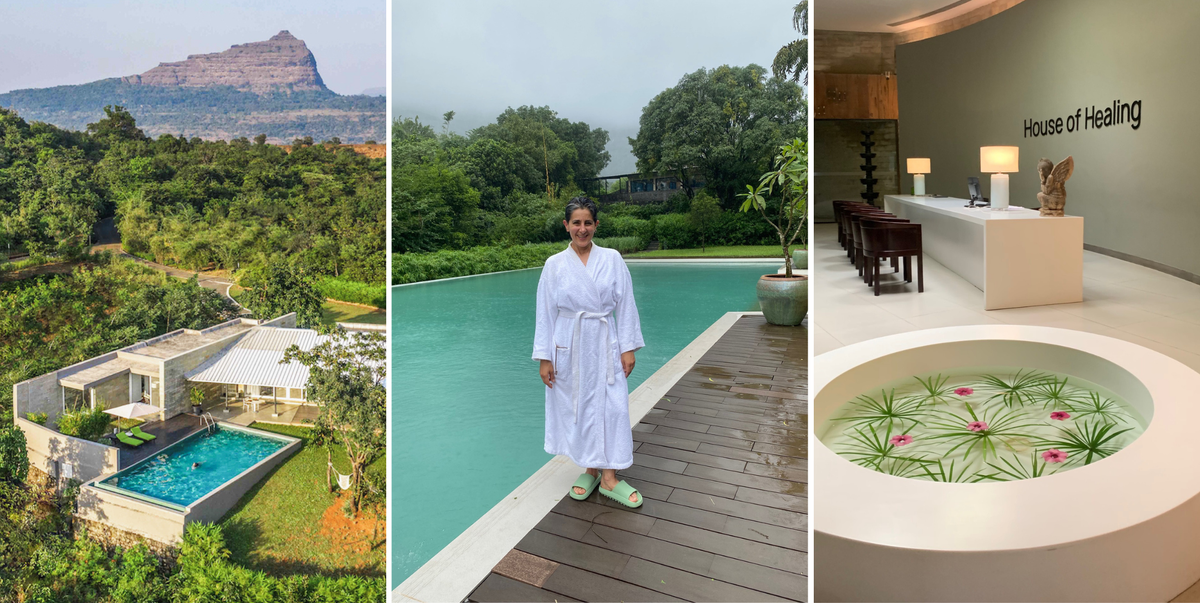
Turns out, packing sunscreen and sunnies was wishful thinking for my July visit to Dharana at Shillim – monsoon season in the Maharashtra state meant days of dramatic downpours. But the rain didn’t spoil a thing; in fact, it made the experience even more unique.
From trekking through streams to appreciating the wonder of waterfalls trailing down the hillsides (both are monsoon-only experiences), Dharana isn’t just about self-care – my time there deepened my connection to nature in the most magnificent ways
The journey 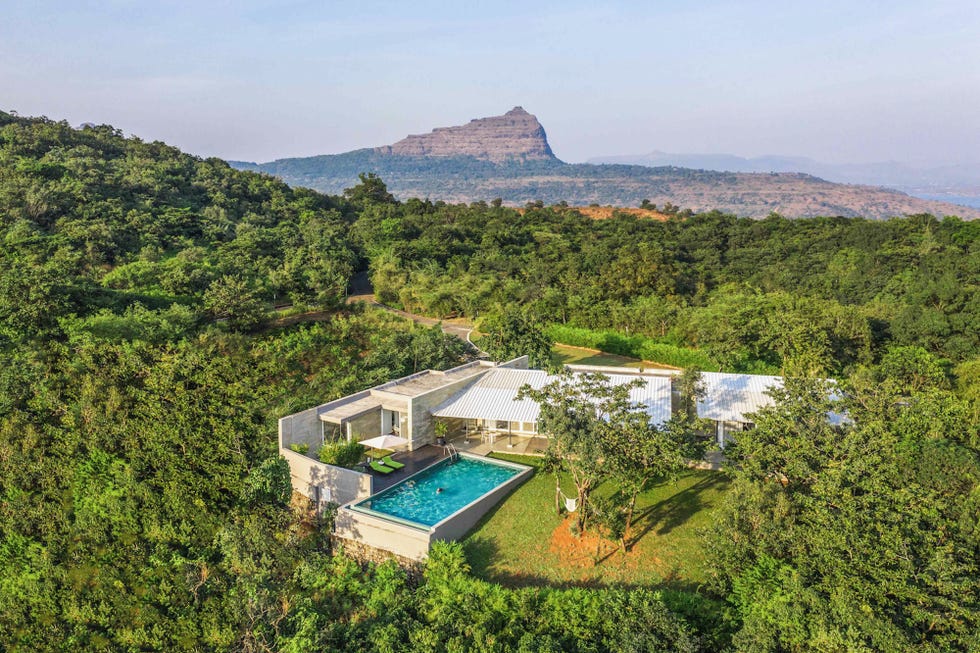
Dharana
Wellness destinations are often set in far flung places, and Dharana is no exception. Tucked deep in the Sahyadri mountains (also known as the Western Ghats) close to India’s west coast, transfers by car can be arranged from Mumbai (around three hours) or Pune (closer to two), but brace yourself.
Once the frenetic city gives way to green, you’re on winding mountain roads that are often foggy and cautiously slow. We weaved through hillside pitstops where locals holiday, forever-honking rickshaws and fast trucks that missed us by a whisker – precarity is part of driving in India. I tucked into a jar of Dharana’s homemade date balls and masala-dusted nuts to distract me from the drama on the road.
On arrival, I was welcomed with a tulsi-bead bracelet and invited to set my intentions for the stay. By then, travel sickness and a few whirlwind days in Mumbai had left me running on empty, with my digestion in protest. I hoped Dharana’s Long-Stay Wellness Programme would rebalance my gut and reset my mind. With a sweet turmeric-ginger tea in hand, I was whisked off by an EV car to my villa-with-a-pool tucked deeper in the forest.
The concept
Dharana’s rooted in three therapeutic approaches: Ayurvedic, physiological and naturopathic. Formerly a Hilton property, it’s now a wellness destination focusing on preventative therapy, physical restoration, healing nutrition, emotional balance and spiritual harmony.
My first appointment was an Ayurvedic consultation with Dr Akshay to determine my Dosha (Ayurvedic body type). This turned out to be a unique mix of old-school paper questionnaire and cutting-edge digital measurements and analysis.
 Yanar Alkayat
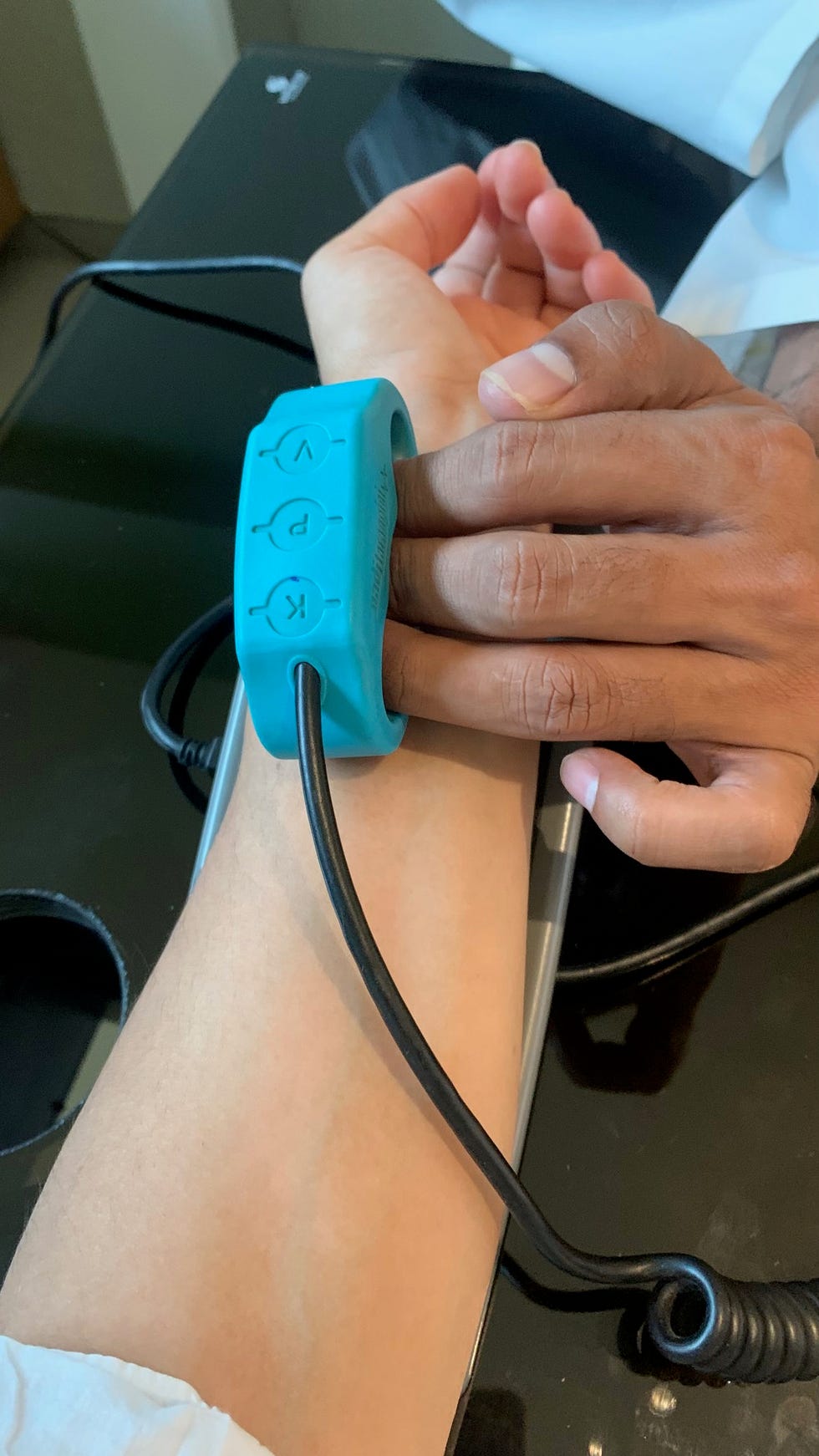
Wrist sensors are used to discover your Dosha
He attached three sensors on the inside of my wrist that simultaneously analysed my pulse and projected the results live onto a screen – innovation meets ancient wisdom. According to Dr Akshay’s pulse reading analysis, I was a mix of vata and pitta, with a slight imbalance of pitta, which pointed to my digestive niggles.
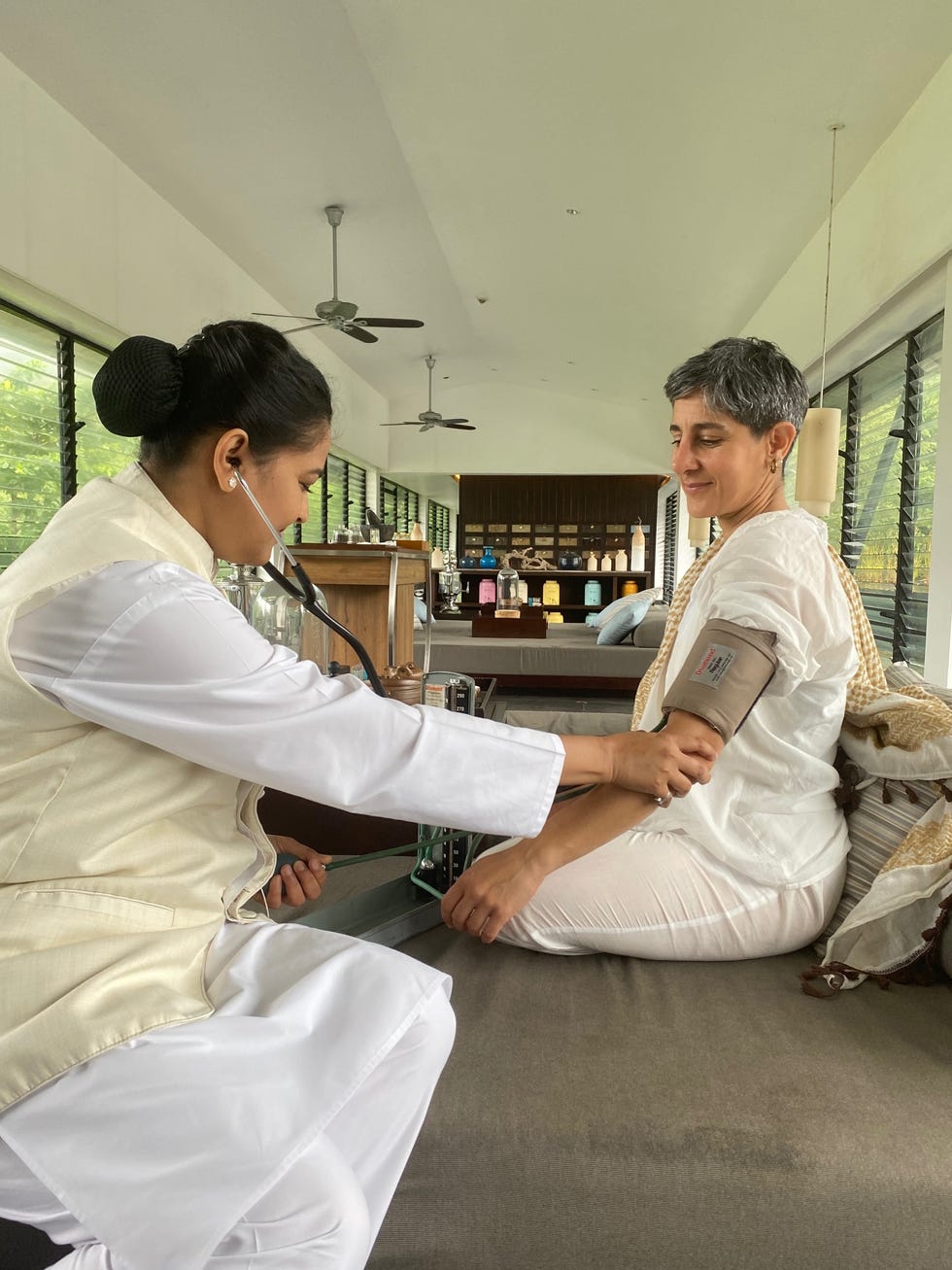
Next up, I met the physiotherapist, who put me through a movement assessment. I told him about my ongoing recovery from a disc injury in 2023, so he checked my gait and tested my movement – turns out I was recovering well but still recommended a few supportive treatments.
Yanar Alkayat
I also had a body composition analysis that used a bioelectrical current to analyse muscle, fat, bone and water levels. This gave me a metabolic age of 36 years, exactly 10 years younger than I am. Finally, there was a vitamin and mineral scan using spectrophotometry. In about 20 seconds, the non-invasive diagnostic measured my levels of minerals, trace elements, free radicals causing oxidative stress and heavy metals. No alarm bells rang there – apart from the need to drink more water, oops – with all interpretations being in the acceptable and good ranges.
The verdict? A prescription of dosha-balancing meals especially prepared by the kitchen, to support my gut-health, digestion and overall wellbeing. To complement this, I was booked in for three full-body Ayurvedic treatments with dosha-specific oils and herbs to ease muscle tension, stimulate circulation and promote relaxation.
Choorna Kizhi was a deeply invigorating massage with hot oils and warmed herbs wrapped in a poultice. It was perfect for my travel-weary legs as it eased away tension and stimulated circulation.
Yanar Alkayat
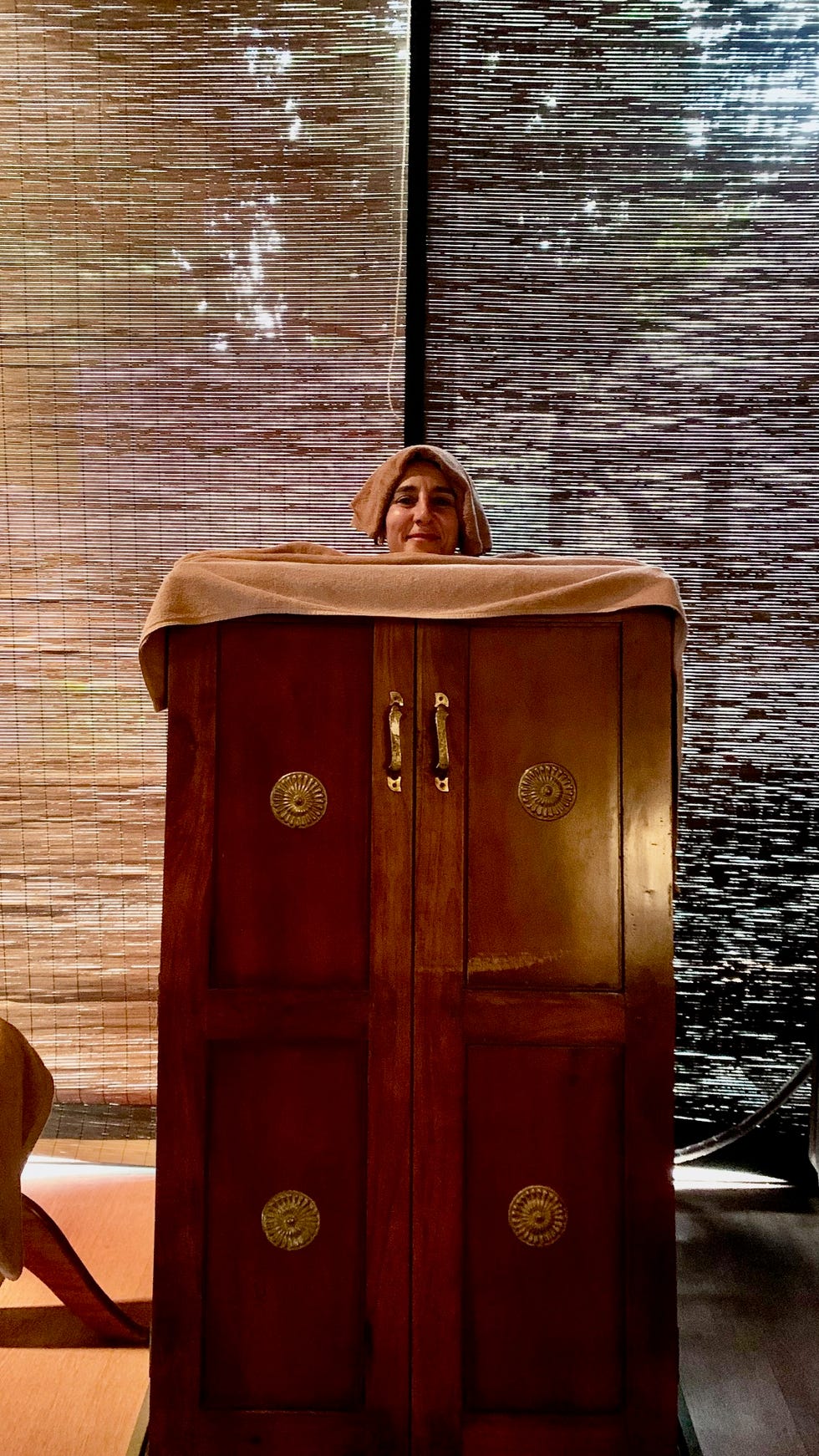
The Abhyangam and Steam, another traditional, full-body Ayurvedic treatment with herb-infused sesame oil was another highlight. I couldn’t help but get the giggles sitting in an upright wooden chamber, with my head popping out.
Treatments took place in one of 17 spa spaces crafted from natural stone and wood, tucked away in Dharana’s jungle forest. Areas like the Tranquility Pool, set against a lush backdrop, were stunningly picturesque
My schedule
My schedule for three-days on the Long-Stay Wellness Programme was packed from 6:30am to 8pm. Each day kicked off with a 15-minute post-breakfast check-in with Dr Akshay to share progress and flag any challenges or health concerns. At first, this felt a bit excessive, but by day two I was grateful for it.
An intense migraine had quickly taken over my head and was creeping over my eyes. Surely giving up my single daily coffee couldn’t cause this much agony? (Apparently, yes.) I suspect it was also down to the smaller food portions and reduced starches and sugars in the controlled diet plan. I powered through with Ayurvedic pain remedies and massages that felt heavenly, even if just for a few hours.
 Yanar Alkayat
A Dosha-balancing breakfast
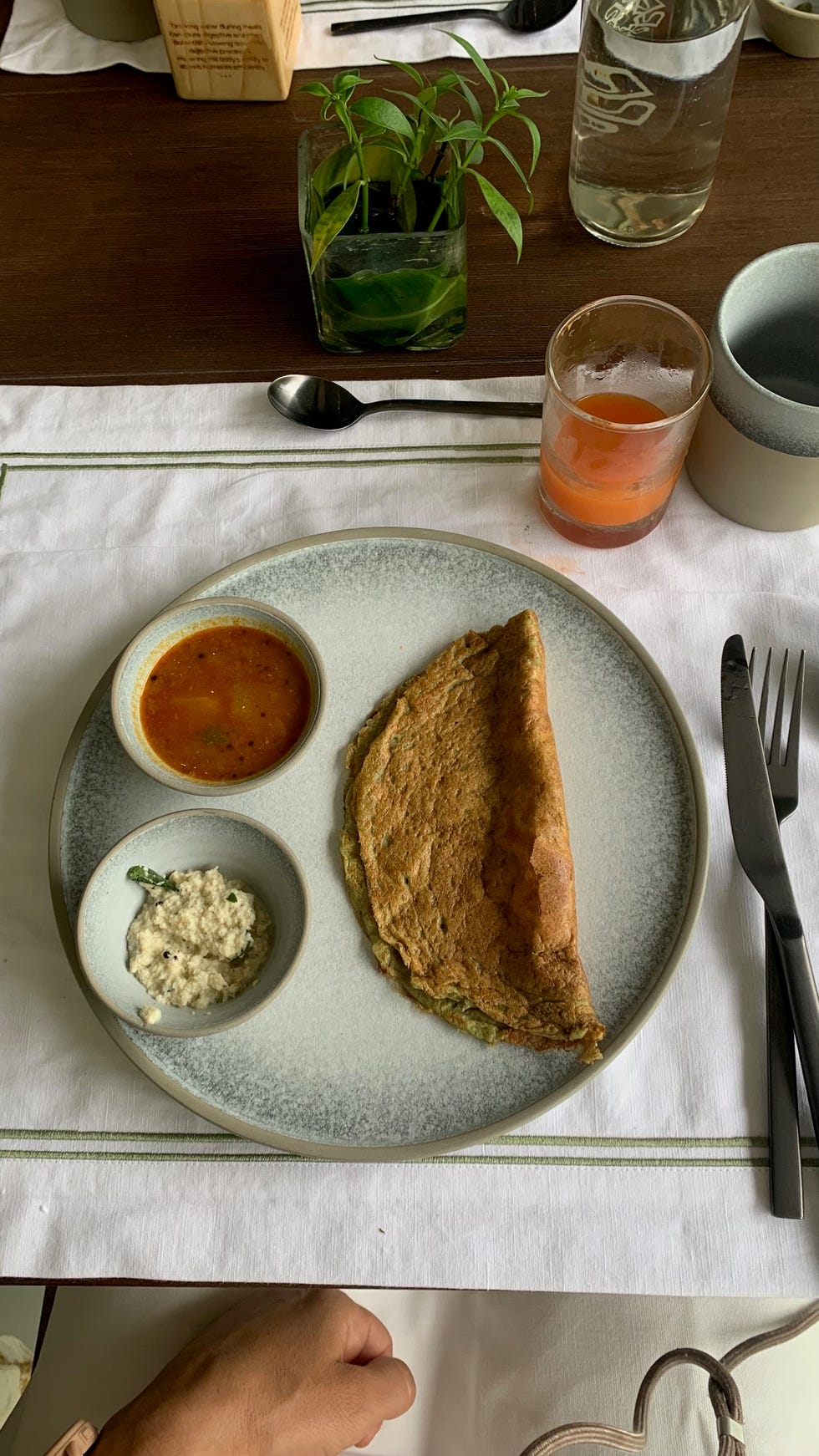
Food was beautifully crafted, Indian-inspired and tailored to each person’s wellness plan. Some of my breakfasts were light – literally just a plate of papaya some days – while other times featured Indian favourites like idly (rice flour patties) or gram flour pancakes.
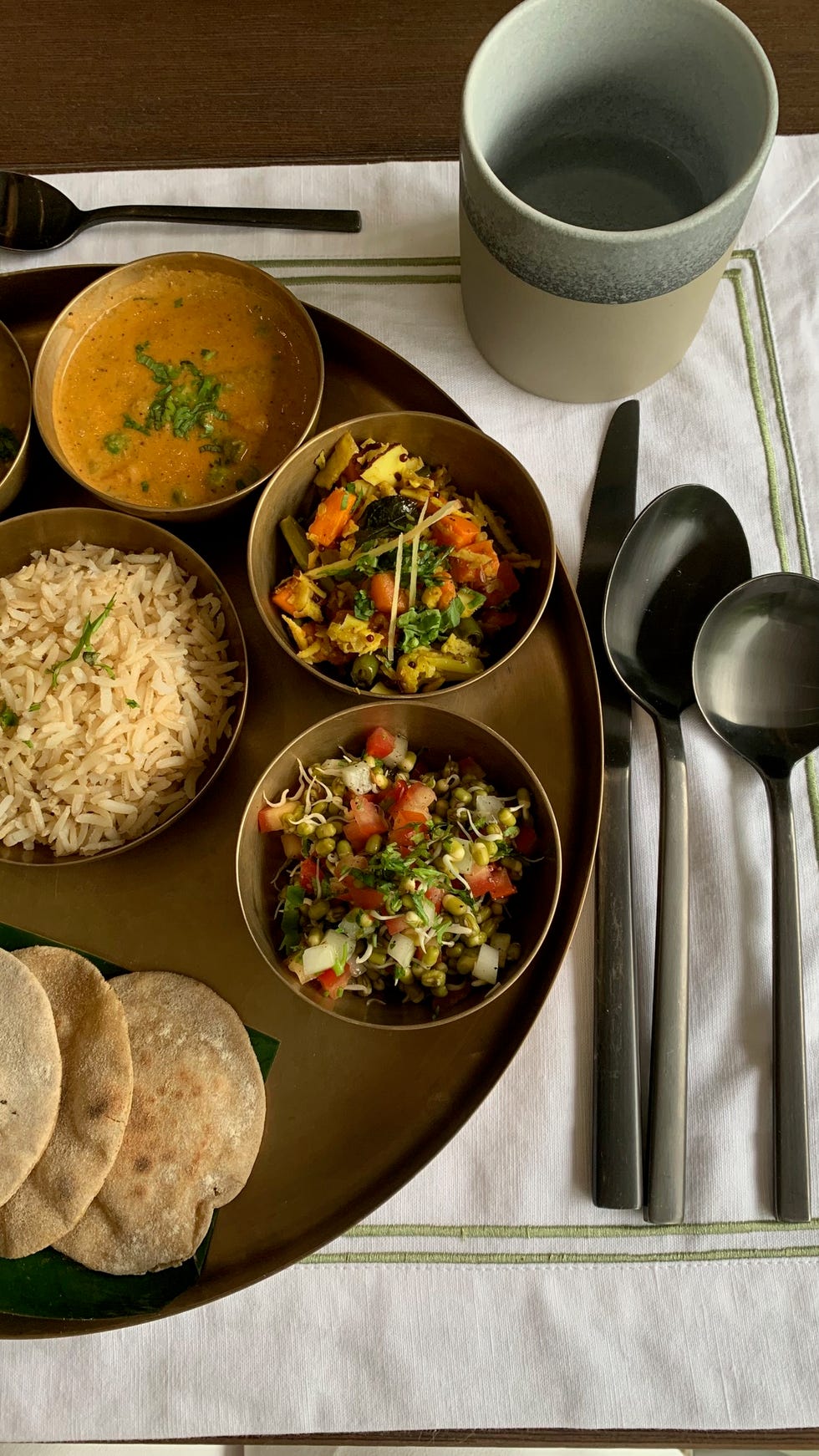
Lunches and dinners were packed with umami flavours and fresh herbs in fragrant stews and soups. A stunning thali served on the first night eased me in before the programme became more pared back.
 Yanar Alkayat
Beautifully presented meals
The combination of cool stone interiors, glass walls overlooking water and friendly companions also on long-stay programmes, created a serene dining experience I looked forward to
A typical day at Dharana
6:30am – 7:30am: yoga
8:30am – 9:30am: nature-based outdoor activity, eg forest walk or stream exploration
9:30am – 10:15am: breakfast
10:15am – 10:30: health check-in
11:30am – 12:30pm: treatment
1pm – 2pm: lunch
3pm – 3:45pm: pranayama/meditation/sound bath
4:30pm – 5:15pm: activity, eg gym
7pm – 8pm: dinner
 Yanar Alkayat
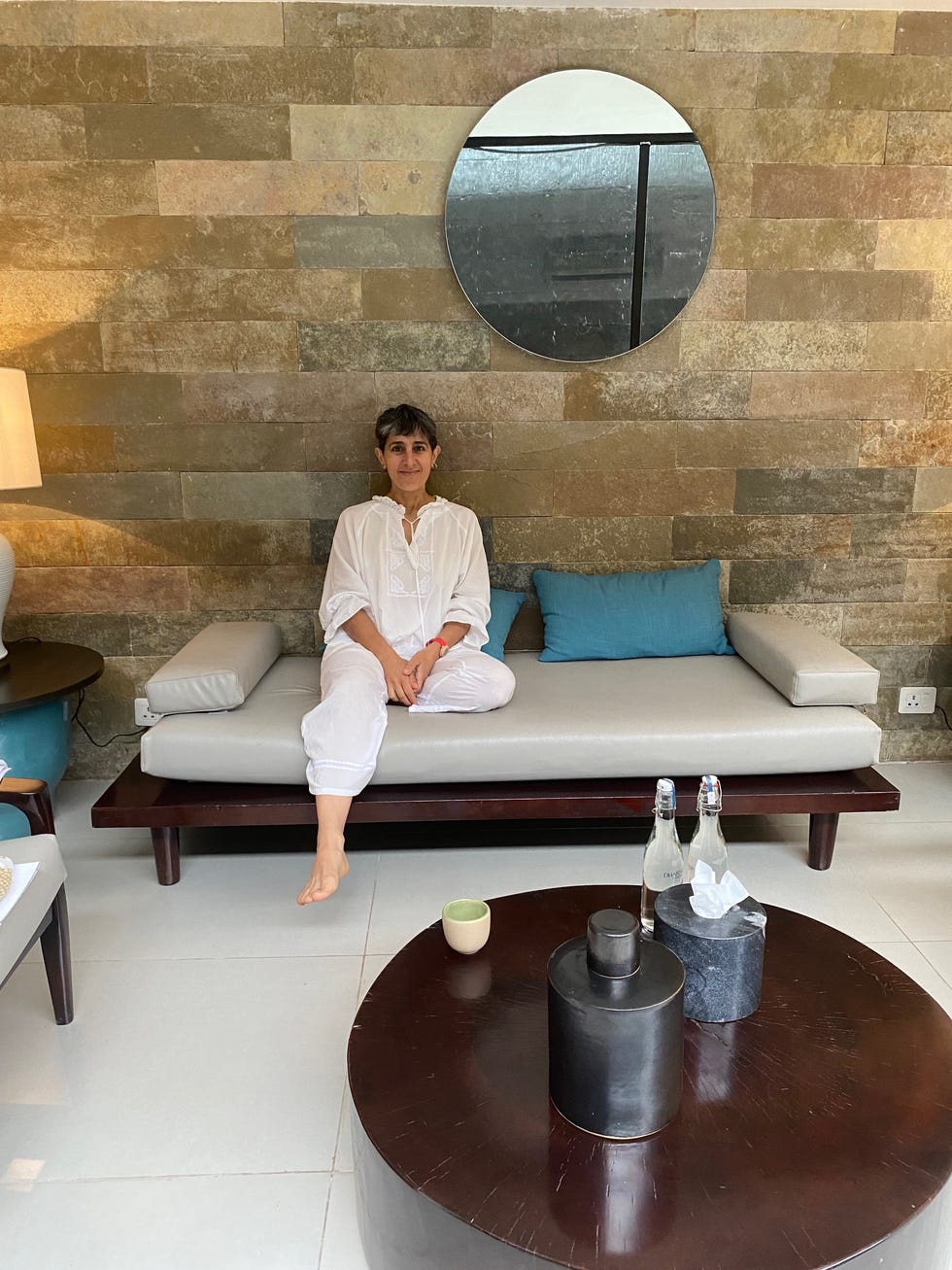
Yanar in the House of Healing
Outside of the treatment schedule, there’s an extensive timetable of activities that changes through the seasons. The Dharana team at The House of Healing was on hand to arrange (and rearrange) my schedule as and when I needed it, mainly done via a WhatsApp group.
It was handy having instant support but not being able to ditch my phone completely felt somewhat counterproductive for a wellness retreat. It was too easy to slip into Instagram after messaging the team – self discipline was definitely required.
The activities
Early morning yoga in the Yogashala – an open-air pavilion – offered stunning views of the surrounding hills, creating the perfect harmony for movement and meditation.
 Scott Frances
Meditation area
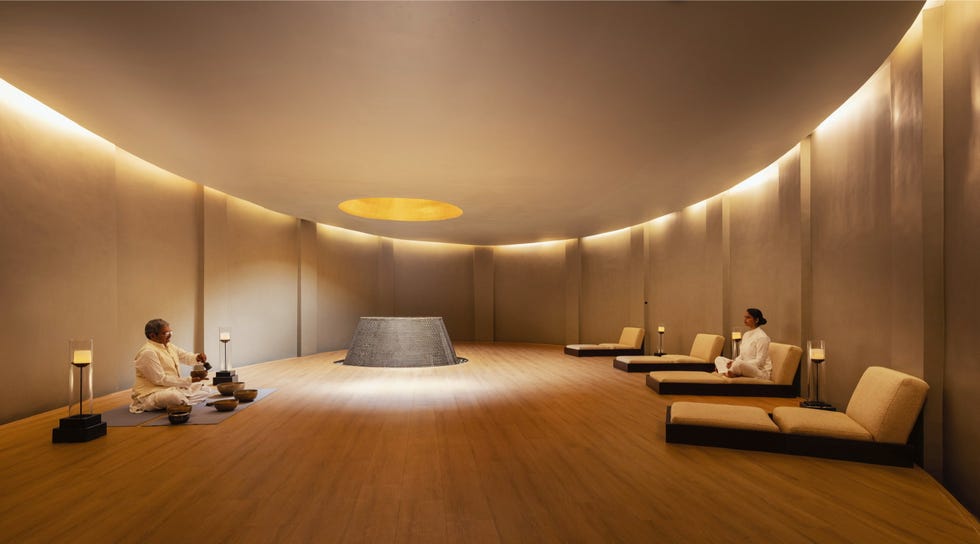
Later in the day, pranayama (breathwork) or a sound bath practice was in the dome-shaped meditation cave, a slightly futuristic-looking yet beautifully serene healing space. If you can, book a ceramic class for a session of wheel pottery – something I’ve wanted to try for years. Turns out I have decent grip strength and focus – which I’ll credit my years of weightlifting for!
The stream exploration and forest walk were other pre-breakfast activities that genuinely justified the early alarm. Kitted out in long wellies and hard hats, we waded upstream with a guide, spotted crabs, fish and snails, and learnt how to safely cross a large gushing stream. It was a brilliant, fully immersive way to experience the local landscape – a perk of visiting in the rainy season.
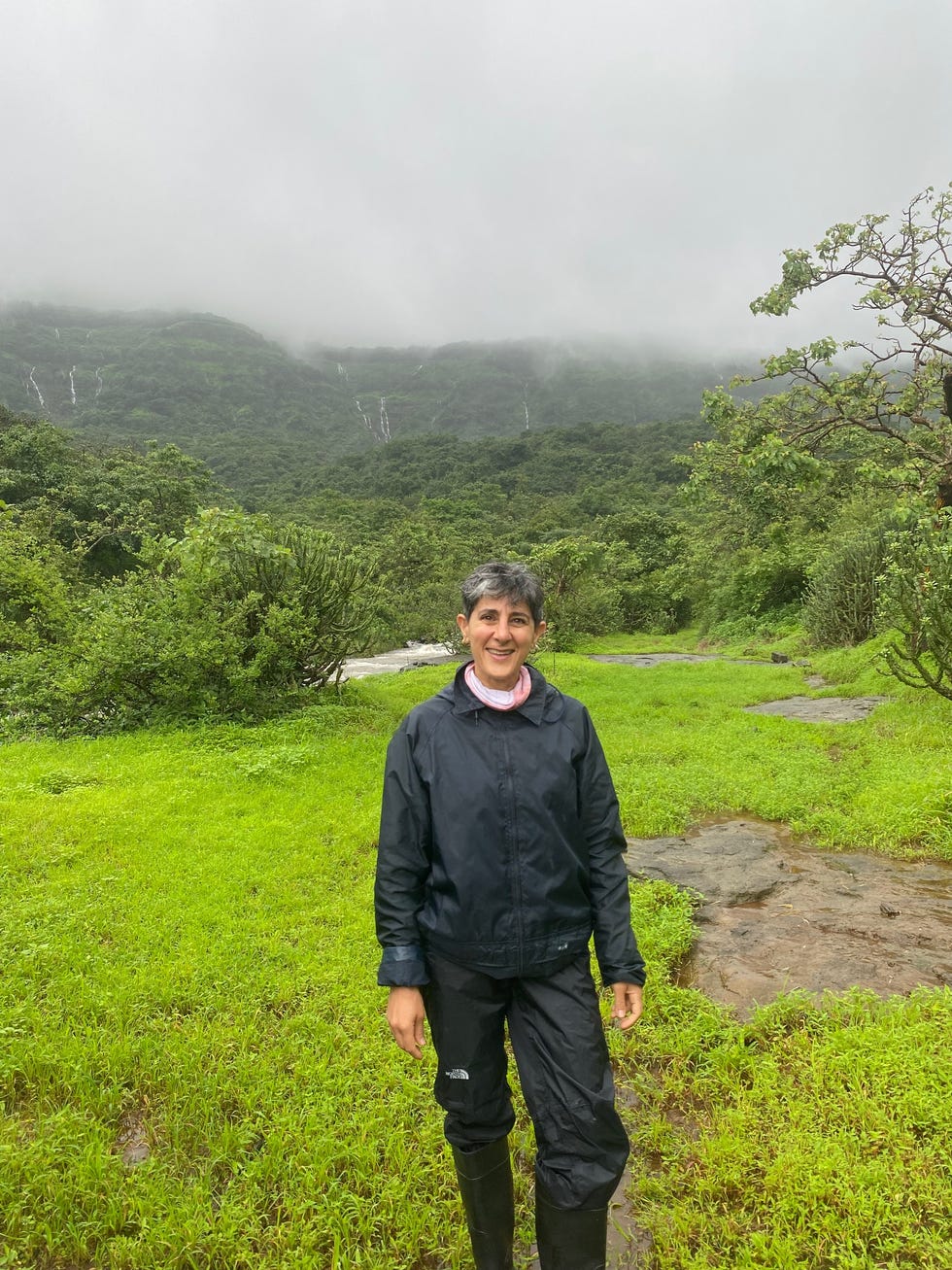
The forest walk, in a full-blown torrential downpour, offered the chance to spot just a few of the 139 bird species, 61 butterflies and moths, and 23 mammals that live in the 2000-2500-acre forest owned by Dharana’s founders.
According to our guide, this land had been considered sacred for centuries but modern farming practices led to a slash-and-burn approach leaving the habitat barren and stripped of biodiversity.
Since taking over in 1985, Dharana’s owners have planted more than 60,000 native plants, installed 33 honey bee boxes (supporting both locals livelihoods and the environment), and transformed the area into an eco-conservation site.
The Shillim Institute – a charity launched by the founders’ sister – works with local communities on land preservation initiatives and training, helping people and the environment to flourish and thrive.
Other highlights
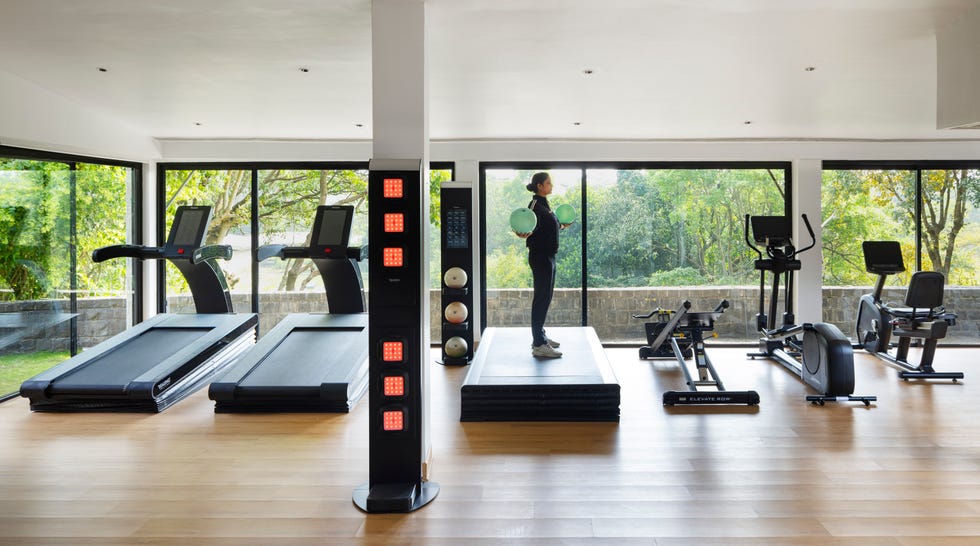
The gym – or Physical Restoration Studio – is unlike any I’ve trained in before. It’s a thoughtfully curated but fun space that ditches traditional equipment for Reaxing training. Innovative pieces challenge your neuroactivity (how your body reacts and adapts to movement demands in everyday life) and target your stability, coordination and motor reflexes.
 Scott Frances
Physical Restoration Studio
The Reax Board, a smart floor that trains your proprioception, works on your balance through controlled instability, forcing you to work harder during core drills, squats and other bodyweight movements.
Instead of stable weights on a barbell, there are water-filled balls that destabilise your lifts. They fire up your core and improve your motor responses and balance. The Reax Rower was my favourite. Like an upright rower on springs, it adds a multi-directional, dynamic challenge to the conventional rowing motion. It’s creative, exciting and surprisingly tough, especially on the core. If I had to save up for any machine, it would be this.
Weighted ropes replace kettlebells for swings, lunges and squats. And Reax Lights was a fun game that tests your reaction times for friendly competition with your training partner. The whole experience felt fresh, intelligent and genuinely fun. If only all retreat gyms were like this.
Verdict
Dharana means ‘focused concentration’ in Sanskrit. The secluded forest villas, close proximity to abundant nature and Indian wildlife, and thoughtfully curated schedules make this state almost effortless to achieve.
Go there!
Rates at Dharana at Shillim start from £367 per night and increase depending on occupancy, villa, programme and treatments BOOK NOW.
Three more retreats to try..
Cut through the noise and get practical, expert advice, home workouts, easy nutrition and more direct to your inbox. Sign up to the WOMEN’S HEALTH NEWSLETTER
Related Stories