If you’ve struggled with losing weight, your first instinct may be to blame your metabolism, which is the chemical process the body undergoes to convert the foods you eat into energy. After all, if your hard work of maintaining a healthy diet and working out regularly hasn’t led to weight loss, it must be something out of your control, right?
It’s true that having a slow metabolism can make it harder to lose weight because it means that the body is burning fewer calories at rest and during daily activities. But you may be surprised to learn that you can actually control your metabolism more than you think. (Time to stop blaming your genetics.) There are a whole lot of factors that impact it, including diet and lifestyle habits.
Related: The Best Carb for Aging and Gut Health, According to Dietitians
This is encouraging because it means that you have the ability to speed up your metabolism. This not only makes losing weight easier, but also impacts energy levels, hormone balance and how efficiently the body uses nutrients.
We talked to three registered dietitians about the best way to rev up metabolism through diet. Keep reading to find out what makes the biggest impact. The best news? It absolutely doesn’t mean going hungry.
🩺SIGN UP for tips to stay healthy & fit with the top moves, clean eats, health trends & more delivered right to your inbox twice a week💊
The Best Habit for Healthy Metabolism, According to 3 Registered Dietitians
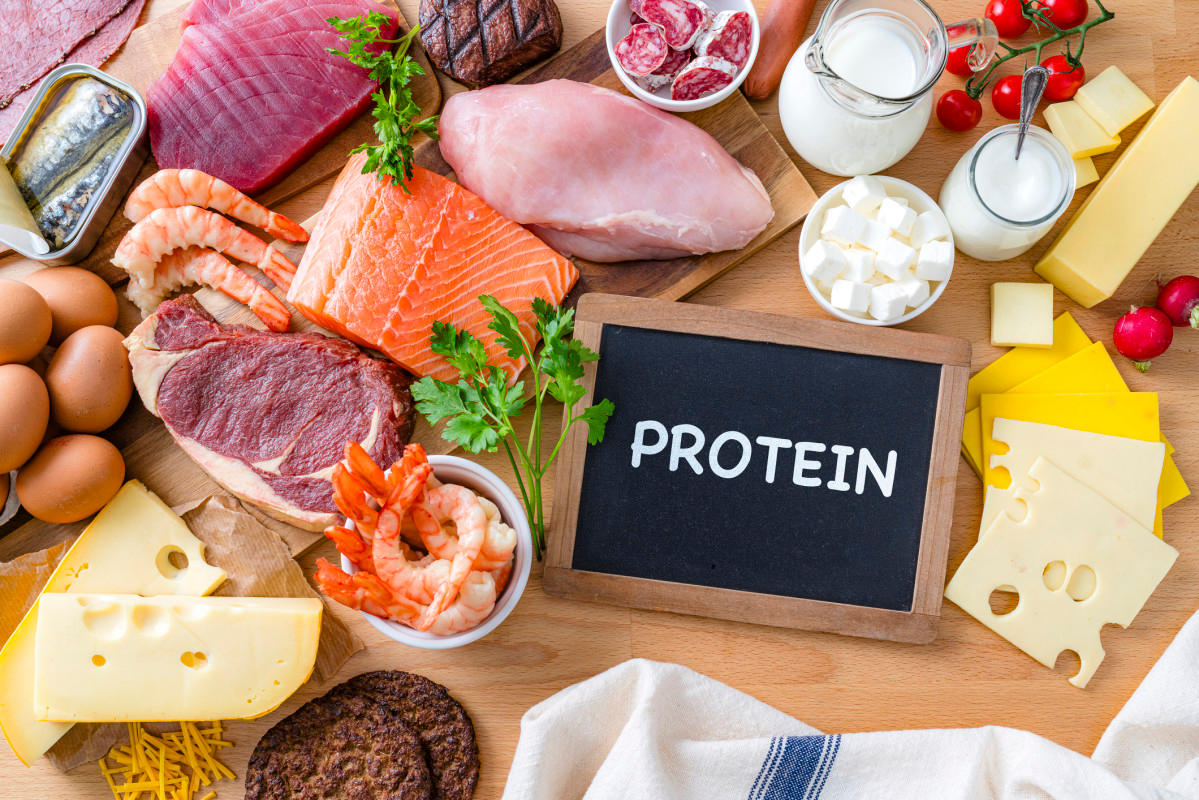
If you want to support your metabolism through what you eat, all three registered dietitians we talked to told Parade that getting enough protein is key.
“Getting enough protein helps your body build and maintain lean muscle, feel full longer—which can support weight management—and keep blood sugar levels more stable. These all help your body use energy more efficiently and support metabolism,” says registered dietitian Maggie Michalczyk, RD.
Registered dietitian Dr. Sonya Angelone, PhD, RDN, agrees, explaining that protein is important for maintaining lean muscle mass. She shares that lean muscle mass is metabolically active tissue, which is bodily tissue with high cellular turnover, energy consumption and biochemical activity.
“Muscle burns calories even at rest,” Dr. Angelone says, also pointing out that since protein requires more energy to digest and metabolize, this increases daily energy expenditure.
Related: 5 Sneaky Ways You’re Adding More Calories to Your Diet Without Realizing It
These aren’t the only ways that protein consumption supports metabolism.
Kacie Vavrek, RD, a registered dietitian at The Ohio State University Wexner Medical Center, explains that protein has a higher thermic effect of food (TEF) compared to carbohydrates and fat.
“About 20 to 30% of the calories from protein are used during digestion and metabolism, which means the body burns more energy processing protein,” she tells Parade. For comparison, she says that 10% of carbohydrates’ calories are used during digestion and 0 to 3% of calories are used during digestion for fat.
fcafotodigital/Getty Images
(fcafotodigital/Getty Images)
All three dietitians also share that protein helps with maintaining stable blood sugar, which also supports metabolism.
“More stable blood sugar can support metabolism by improving satiety, reducing energy crashes and helping regulate appetite and energy balance,” Vavrek says.
Dr. Angelone agrees that this can help you stay full for longer, explaining, “Protein-rich meals can help regulate your appetite so you feel more satisfied with your meals.”
Related: The One Food Nutritionists Are Begging People Over 50 To Start Eating ASAP
Other Ways To Support Your Metabolism
As you can see, there are many important ways that getting enough protein supports metabolism. When it comes to knowing how much protein you should consume, Vavrek explains that this depends on one’s body weight, activity levels, age and health goals.
“For the general population, the recommended dietary allowance is 0.8 g of protein per kilogram of body weight per day, but research suggests that 1.2 to 2.0 grams per kilogram may be more appropriate for active individuals, older adults or those trying to maintain or build muscle. A registered dietitian can help determine individual needs based on lifestyle, training and overall nutrition goals,” Vavrek says.
While getting enough protein is crucial, all three dietitians emphasize that it’s still important to have an overall balanced, nutrient-rich diet. “Having balanced meals that include carbohydrates, healthy fats and fiber provide steady energy and support how your body uses fuel throughout the day,” Michalczyk says.
The three dietitians also stress that staying well-hydrated, getting enough sleep and regular strength training are all important ways to support metabolism. Michalczyk emphasizes that proper hydration supports digestion, helps regulate body temperature and can improve physical performance. Don’t underestimate the importance of drinking enough water!
If you’re currently not consuming as much protein as you should, upping your intake will lead to feeling more energized, balanced and less hungry—and it will be quietly revving up your metabolism too. Put this advice into practice and you’re sure to feel the difference.
Up Next:
Related: How Long Does It Take To Lower Cholesterol? Cardiologists Explain the Real Timeline
Sources:
Kacie Vavrek, RD, registered dietitian at The Ohio State University Wexner Medical Center
This story was originally published by Parade on Apr 4, 2026, where it first appeared in the Health & Wellness section. Add Parade as a Preferred Source by clicking here.