The Easter break offers a chance of escape for many Hongkongers, but that holiday joy often comes with a hidden tax: jet lag.
Jet lag is the cognitive and physical misalignment that your brain and body experience when arriving in a new time zone. Known more formally as desynchronosis, it is more than a lack of sleep – it is a state of biological confusion.
Los Angeles Times journalist Horace Sutton may have been the first person to use the term “jet lag”, in a piece he wrote in 1966.
“If you’re going to be a member of the jet set and fly off to Kathmandu … you can count on contracting jet lag, debility not unakin to a hangover,” he wrote.
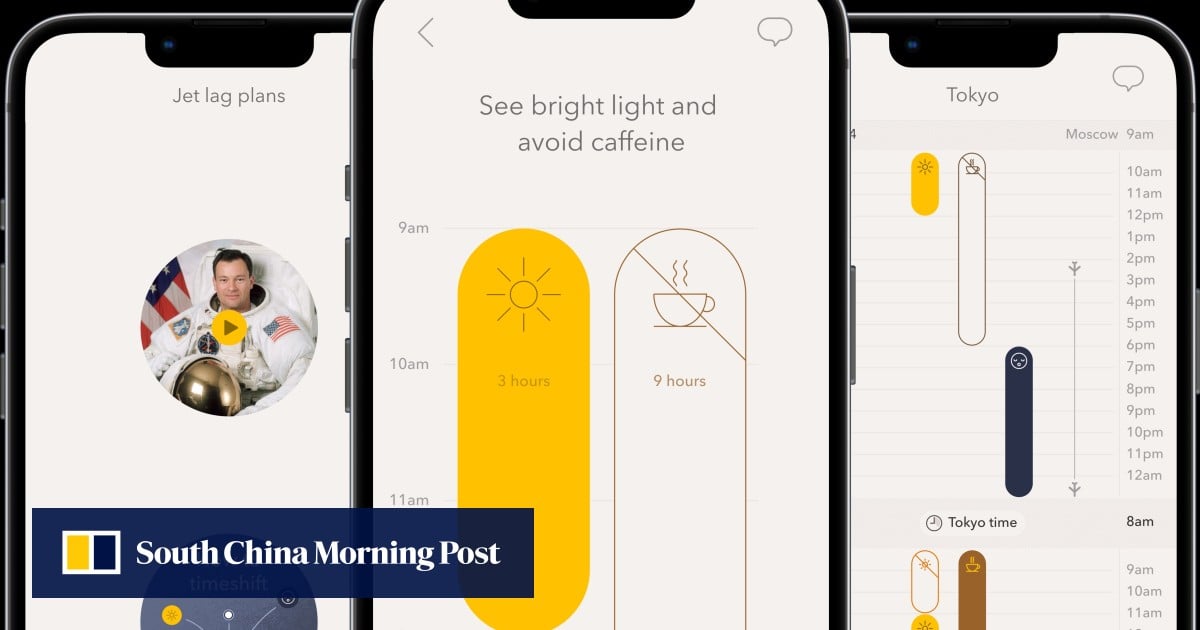
Jet lag is not just a minor inconvenience. Severe circadian disruption has been shown in animal studies to increase susceptibility to cancer and brain tumours, type 2 diabetes, obesity, and metabolic syndrome.“Jet lag disrupts every system in your body, cognitive functions, your metabolism, your reaction time, your immune system, your hormones,” says tech entrepreneur Mickey Beyer-Clausen, who co-founded the company behind the Timeshifter app designed to help people reduce their jet lag.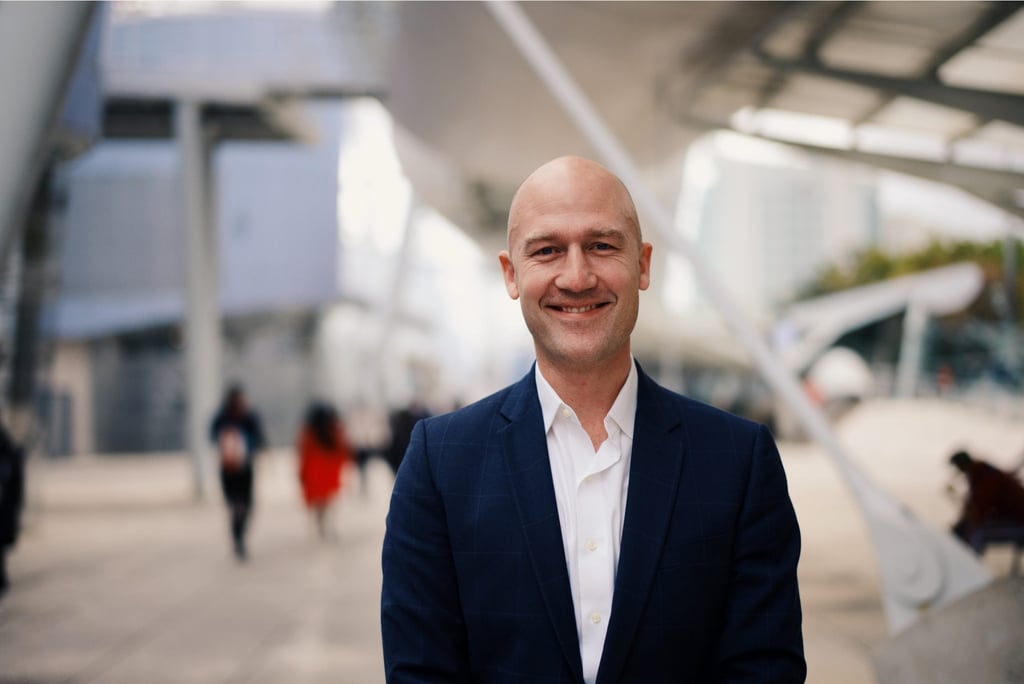 Timeshifter co-founder Mickey Beyer-Clausen says if you can reduce circadian disruption, you are likely going to live longer – and studies support this. Photo: timeshifter.com