If you have polycystic ovary syndrome (PCOS), you might be looking for ways to feel better. Maybe your periods are irregular. Maybe you are dealing with acne, unwanted hair growth, weight gain or trouble getting pregnant. When these symptoms last a while, it’s natural to look for answers beyond prescriptions.
If you scroll through Instagram or TikTok, you’ll see people making bold claims about supplements for PCOS. Inositol is said to be a hormone balancer. Berberine is compared to metformin. Magnesium promises better blood sugar control. Alternate treatments can seem promising but they can also be confusing.
“Because PCOS is a chronic condition that often involves insulin resistance and hormone imbalance, it’s natural for many women to look for alternative therapies when conventional therapies provide little improvement,” said Carlos Rivera, MD, a metabolic medicine specialist and endocrinologist with Banner University Medicine. “Influencers often promote supplements as fast, natural solutions. However, they rarely explain the limits of research or possible side effects.”
Before spending money or starting something new, it’s useful to understand what research really says about these supplements. Dr. Rivera explains what you need to know about popular PCOS supplements, including what might help, what has limited evidence and what requires caution.
Supplements that may help with PCOS
Inositol (myo-inositol and d-chiro-inositol)
Inositol is one of the most studied supplements for PCOS. It is a sugar-alcohol compound with a structure similar to B vitamins. It helps your body use insulin better, which is important because many women with PCOS have insulin resistance.
When insulin levels stay high, they can cause the body to make more testosterone, leading to symptoms like missed periods and extra hair growth (hirsutism). Improving insulin sensitivity may help stop this cycle.
“Research shows inositol may help with some metabolic measures and potentially improve ovulation rates, but the evidence for significant clinical benefits remains limited,” Dr. Rivera said.
“The 2023 International Evidence-Based PCOS Guidelines state that inositol can be considered based on individual preference,” he added. “It appears to have limited harm but there is also limited strong evidence of meaningful improvements in ovulation, hirsutism or weight loss.”
Berberine
Berberine is a plant-derived compound that has become popular online. Many people call it a “natural metformin” because it might help the body use insulin better, lower male hormone (androgen) levels and reduce cholesterol. Some studies also suggest it can help make periods more regular and improve ovulation.
But there are some important things to consider.
“Since berberine is not an FDA-regulated medication, quality and dosing may vary significantly between products,” Dr. Rivera said. “Additionally, berberine can interact with other medications.”
Side effects include nausea and diarrhea. Since dosing varies between brands, it’s hard to know exactly what you’re getting.
Are Omega-3, vitamin D and magnesium helpful for PCOS?
Several other supplements often come up in PCOS discussions. These include omega-3 fatty acids, vitamin D and magnesium. While none of these cure PCOS, they may enhance metabolic health.
Omega-3 fatty acids
“Omega-3s might help lower insulin resistance, reduce triglycerides and possibly decrease testosterone levels,” Dr. Rivera said. “The evidence quality seems moderate for its metabolic benefits.”
Because PCOS increases long-term cardiovascular risk, improving cholesterol and reducing inflammation can be helpful. Omega-3s may support heart health, even if they do not dramatically change hormone levels.
Vitamin D
Vitamin D deficiency is common in women with PCOS. “Many people do not realize they are low until they have blood work done,” Dr. Rivera said.
Supplementation may improve insulin sensitivity, especially if you are deficient. Some studies also suggest that taking vitamin D with omega-3 fatty acids could also help with mood symptoms.
Magnesium
Magnesium is a mineral that our body needs to work properly. However, magnesium supplements have not been extensively studied in PCOS.
“Some studies suggest magnesium may play a role in glucose metabolism,” Dr. Rivera said. “It may support blood sugar control and sleep but should be viewed as supportive rather than central to PCOS treatment.”
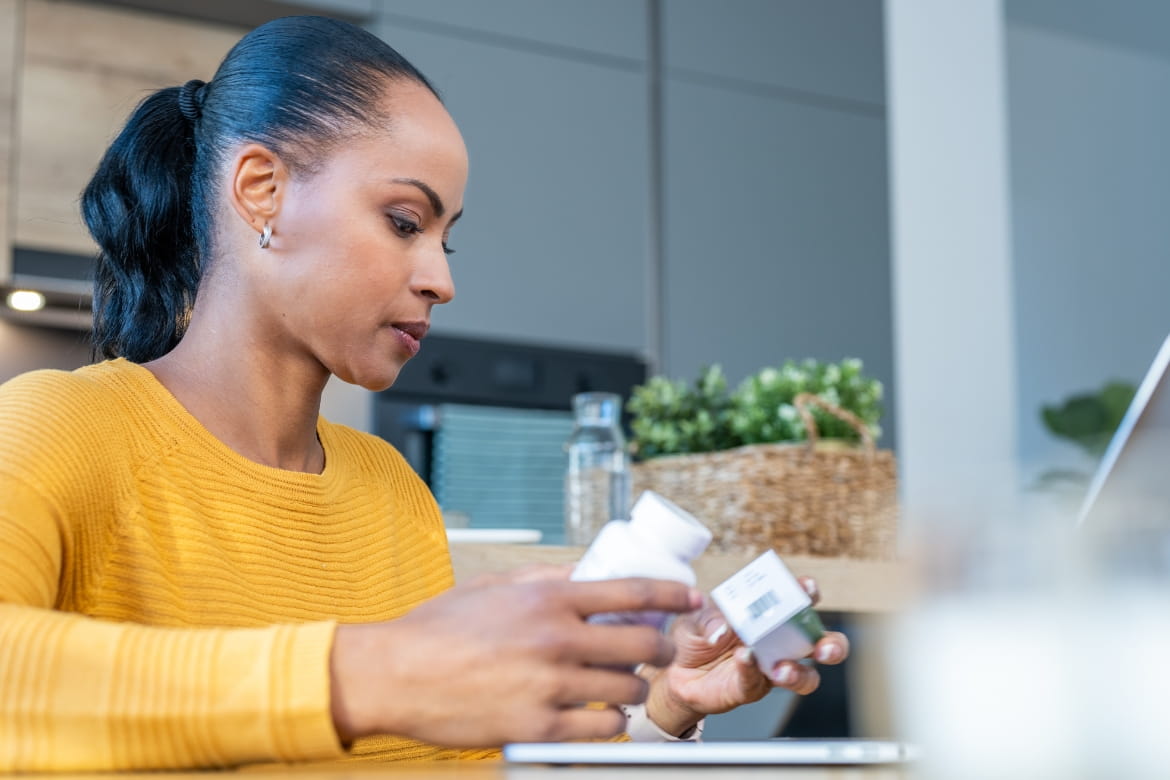
Important: Before you take any supplement, talk to your health care provider first. They can advise you on any possible interactions and side effects and guide you on proper supplement levels if you have a vitamin deficiency.
What you should know before taking supplements
Before adding anything new to your routine, take a thoughtful approach.
First, talk to your health care provider. Supplements can interact with medications and might not be safe for everyone. This is very important if you want to get pregnant or have other health conditions.
Second, remember that supplements are not regulated like prescription medications. The FDA does not test supplements for safety or effectiveness before they are sold.
That means:
Quality can vary between brands
Dosing may not be standardized
Ingredients may not always match the label
Third, set realistic expectations. “Most supplements have modest effects at best and the evidence supporting their use is typically low to moderate quality.” Dr. Rivera said. “Supplements may offer support but they rarely create dramatic change on their own.”
Can supplements replace lifestyle changes or medication?
This is one of the most common questions and the answer is clear: Supplements should not replace lifestyle changes or medication for PCOS. If someone says a supplement alone can “reverse PCOS,” that is not supported by evidence.
“When appropriate, supplements may serve as complementary therapies alongside (not instead of) lifestyle changes and medications,” Dr. Rivera said.
Lifestyle modification remains the foundation of PCOS management. This includes eating healthy, exercising regularly and maintaining a healthy weight.
Medication also helps many women.
“Birth control pills are the first choice to help with missed periods and too many androgens, while metformin is mainly used for metabolic issues,” Dr. Rivera said. “Other medicines include spironolactone for abnormal hair growth and letrozole to help with fertility and pregnancy.”
How can you evaluate PCOS supplement claims on social media?
Social media platforms like TikTok and Instagram often highlight dramatic personal success stories. While these stories might make you feel inspired, they are not scientific proof.
“It’s very important to check sources because many influencers are sponsored by supplement companies – or may be trying to sell their own brand,” Dr. Rivera said. He also points out that influencers usually highlight good results and ignore possible risks or side effects.
Personal stories about supplements don’t show how most people will respond. Everyone reacts differently and what works for one person might not work for you.
If a supplement says it will quickly help you lose weight, reverse hormones or guarantee fertility, be careful. Real, science-based health care focuses on slow, steady improvement.
Bottom line
Managing PCOS can be frustrating, especially when your symptoms continue despite your best efforts. It is understandable to look for additional tools that might help.
Some supplements might help a little but many don’t have strong or clear proof behind them.
As Dr. Rivera tells patients, effective PCOS care requires “a personalized, evidence-based approach developed with your health care team.”
You deserve reliable information and thoughtful guidance. Before taking any supplement for PCOS, talk to your health care provider or a Banner Health specialist. Together, you can create a plan that supports your hormones, protects your long-term health and fits your life.
Related articles: