The Missouri House gave bipartisan approval Thursday to legislation that would help Medicaid recipients get healthy, locally grown food if they have been diagnosed with chronic diet-related illnesses.
One bill, sponsored by Republican state Rep. Holly Jones of Eureka, passed 121 to 18. Most of its provisions are also included in a wide-ranging bill sponsored by Republican state Rep. Tara Peters of Rolla, which passed the House Thursday 129 to 20.
The legislation would require the Missouri Department of Social Services to seek federal approval for a “Food is Medicine” program through MO HealthNet, the state’s Medicaid program.
Dietitians and other health care professionals would be allowed to prescribe medically tailored meals or groceries to prevent or manage chronic disease and nutrition counseling to help people develop healthy habits. They could also prescribe fresh produce using vouchers redeemable at local farmers markets, grocery stores or mobile markets.
Jones said her bill is “not about telling people what to eat.”
“It’s about giving people the tools, access and support to make choices that lead to longer, healthier lives,” she said.
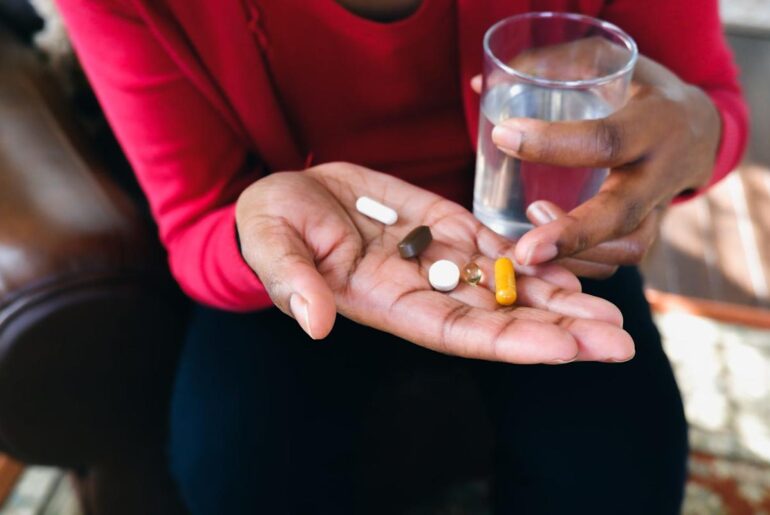
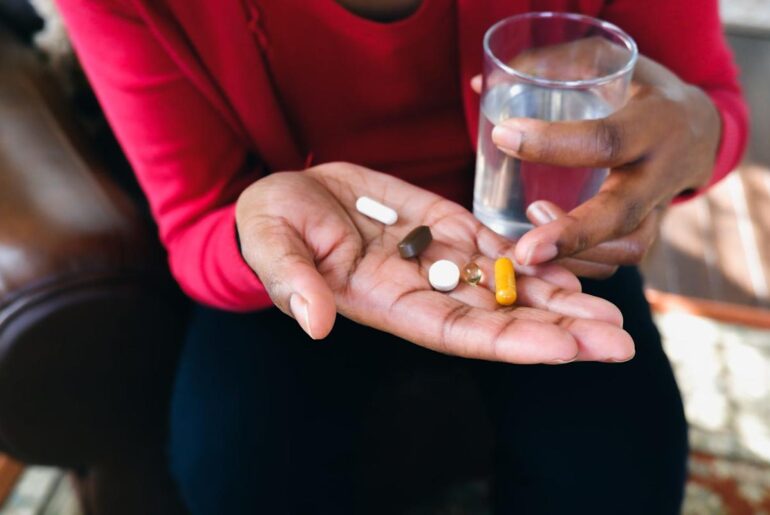
Jones’ bill encountered resistance over an amendment last week that added vitamins and “prescription micronutrient therapy” to the treatments it would cover.
Democratic state Rep. Gregg Bush of Columbia, a registered nurse, said he could not vote for the bill because the vitamin industry is “unregulated.”
The U.S. Food and Drug Administration doesn’t have legal authority to test the effectiveness or safety of vitamins or supplements before they go on the market, though agency regulations require dietary supplement labels to list all ingredients.
Bush, who described himself as a “big supporter” of the unamended bill, said the state shouldn’t use Medicaid funding for products that might not make people healthier.
“There’s so many great provisions in this bill, but at the end of the day, MO HealthNet is our taxpayer dollars,” Bush said.
Vitamins and supplements are not covered in Peters’ bill, which also includes provisions to monitor the spread of alpha-gal syndrome, increase access to doula services and allow the sale of ivermectin over the counter.
Prescription produce
The legislation, which directs the department to coordinate with Missouri farmers and nonprofits to implement the program, was met with enthusiastic support during a public hearing in February.
Amanda Berry, food security policy manager for the anti-poverty organization Empower Missouri, described how the higher cost of nutritious food incentivizes Missourians to choose meals that are cheap, filling — and highly processed.
“When I was a young single mother, I could have gone and spent $7 on one bag of grapes for my three children to have as a snack,” Berry said. “Or I could go buy a bag of hot dogs, a $1 bag of buns and a 99 cent box of powdered mac and cheese, and they’re going to feel like they had a meal.”
In addition to providing “meaningful relief” for families, Berry said, the program could save the state money.
By one estimate from the Tufts University Food is Medicine Institute, providing produce prescriptions to Missourians with diabetes could save the state $101 million over 10 years, while medically tailored meals for Missourians with diabetes, cardiovascular disease or cancer could save $2,562 per patient per year.
The program would be part of a larger movement across the country to integrate healthy food directly into clinical care.
Twelve states have secured federal approval for waivers that provide nutrition support, including Arkansas, Illinois and Colorado, according to KFF.