Scientists say even the smallest lifestyle tweaks could have a meaningful impact on how long we live and how healthy those years are.
A major new study led by researchers in Australia suggests that modest adjustments to everyday habits may be enough to extend lifespan.
Analysing data from tens of thousands of participants, the team found that adding just a few minutes of sleep, a short burst of physical activity and a slight improvement in diet could collectively make a measurable difference.
The power of tiny daily tweaks
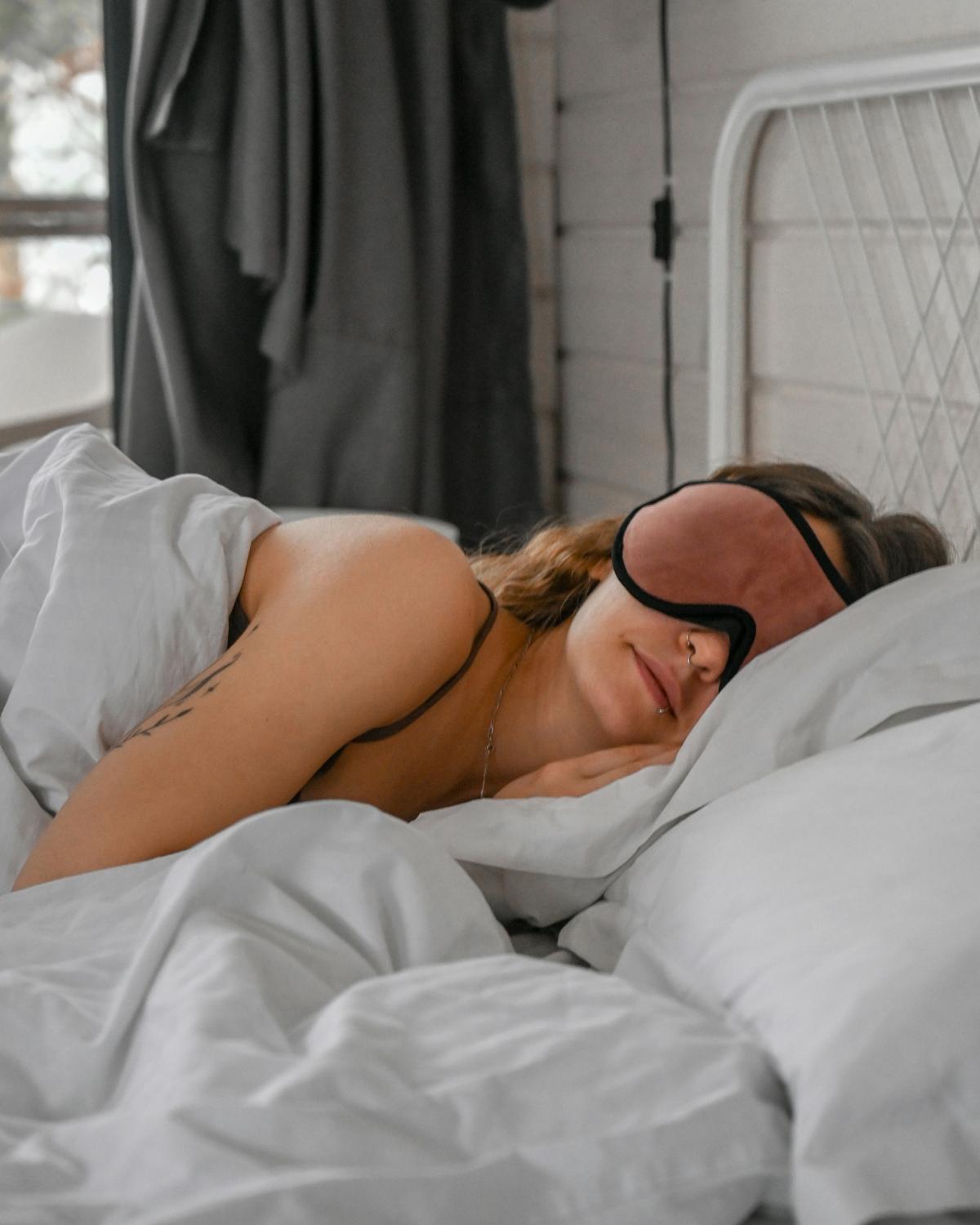
The findings indicate that as little as five extra minutes of sleep, roughly two additional minutes of exercise and a small increase in healthy food intake, such as half a serving of vegetables, may add a year or more to life expectancy.
While each of these changes might seem insignificant on its own, together they appear to have a much greater effect.
In fact, the research suggests that combining these small adjustments produces stronger benefits than making a larger change in just one area.
“There seems to be a unique synergy” between sleep, movement and diet, said Emmanuel Stamatakis, senior author of the study.
The work adds to a growing body of evidence showing that realistic, manageable improvements can have an outsized impact on long-term health.
“We’re not talking about big, ambitious goals,” Stamatakis said. “We’re talking about four extra pieces of broccoli at dinner tonight, that kind of thing.”
What is SPAN and why it matters?
The researchers focused on three core pillars of wellbeing, sleep, physical activity and nutrition, sometimes referred to collectively as SPAN.
While each has long been recognised as essential, the study aimed to understand how they interact, and what minimum changes might still deliver benefits.
To explore this, the team analysed data from nearly 60,000 adults, most in their 60s, drawn from the UK Biobank.
This large-scale dataset includes detailed records on lifestyle, including sleep patterns tracked by wearable devices, physical activity levels and dietary habits.
Using this information, the researchers built a statistical model to estimate how different combinations of habits might influence longevity.
The model suggested that the “optimal” balance included just over seven hours of sleep per night, around 40 minutes of daily activity and a high-quality diet, a combination associated with significantly longer and healthier lives.
However, the more striking finding was how little change was needed to move the needle. Even minor improvements helped lift individuals out of the lowest health category, potentially extending both lifespan and the number of years lived without serious illness.
By contrast, trying to achieve the same benefits through a single behaviour alone required far greater effort. For example, the model suggested that substantially more exercise would be needed to match the effect of small, combined changes across all three areas.
“We found changes could be more minimal” when combined, Stamatakis said, making them potentially easier to implement. “Putting your phone away a little earlier in the evening might be enough” to help you sleep five minutes more, he said.
“Plus taking the stairs instead of the elevator at work and using whole grain bread on a sandwich. Those small things add up.”
The results underline a simple but encouraging message: improving health may not require a complete lifestyle overhaul, just a few small, consistent steps in the right direction.