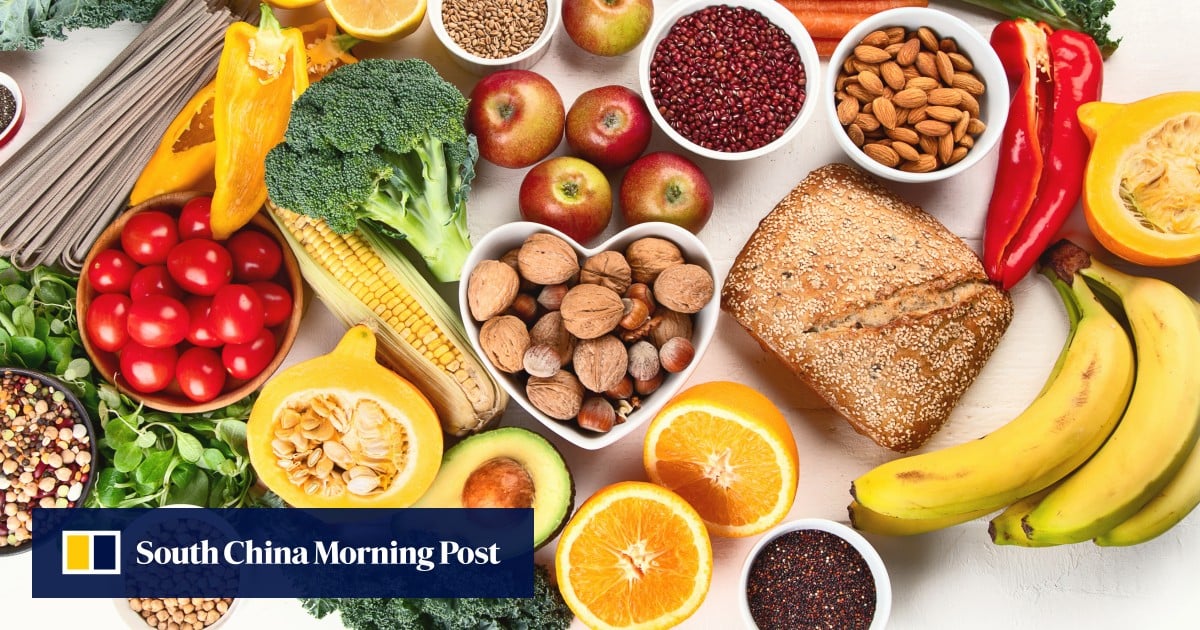
First it was protein, now it is fibre: the “maxxing” mindset has permeated social media, as wellness influencers insist that loading up on certain nutrients is the key to vitality and a life-changing gut glow-up.
These viral diet trends rooted in extreme optimisation are affecting how people eat and what companies sell – but are they actually healthy?
The concept of “proteinmaxxing” insists that more is better when it comes to the macronutrient found in foods like nuts, meat and dairy, which is essential to a vast array of bodily functions, such as repairing tissue or enhancing immune function.Meanwhile, dietary fibre is on track to be 2026’s online trend of choice: ingest as much as possible, and you will be less hungry and more regular, say online advocates who wave bowls of chia seeds and oats at the camera.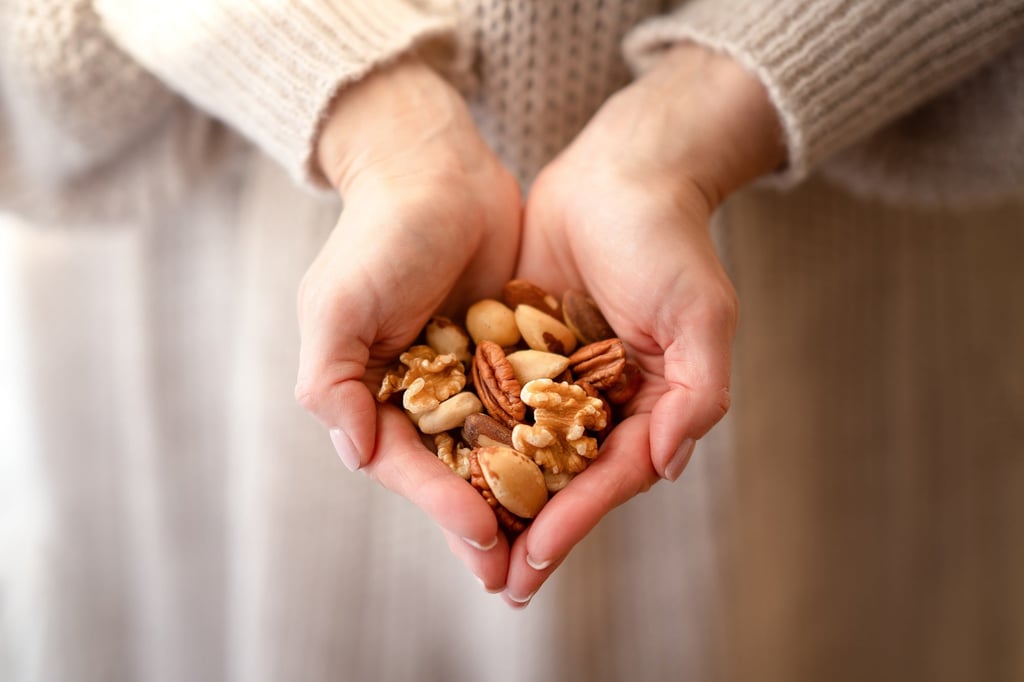 The concept of “proteinmaxxing” insists that more is better when it comes to the macronutrient found in foods like nuts. Photo: Shutterstock
Brands have taken note. If you can buy it, there is probably a protein-boosted version of it – even the sugariest cereals are touting their high protein content. Meanwhile, companies like PepsiCo and Nestlé, along with newer firms like soft drink maker Olipop, are highlighting the fibre content in their prebiotic sodas or chips.