Got story updates? Submit your updates here. ›
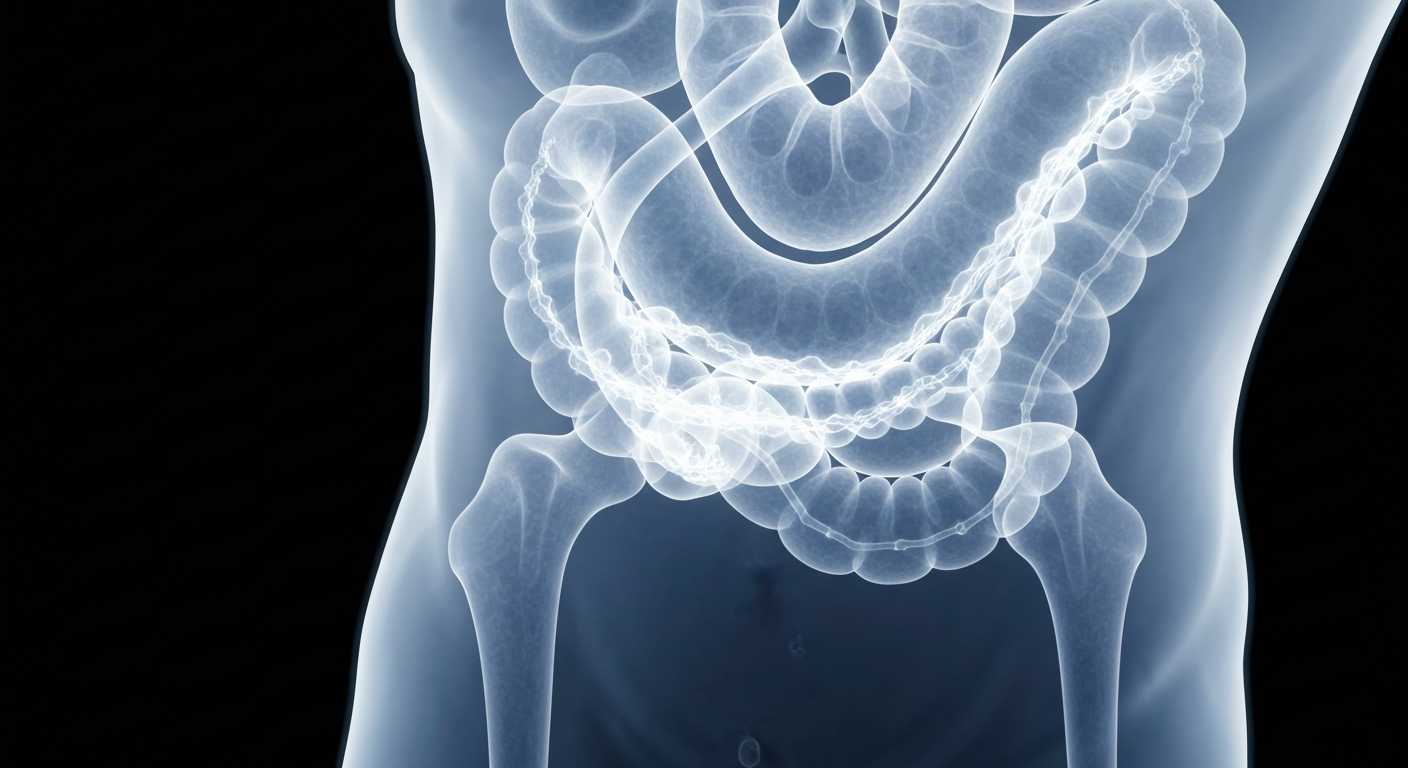
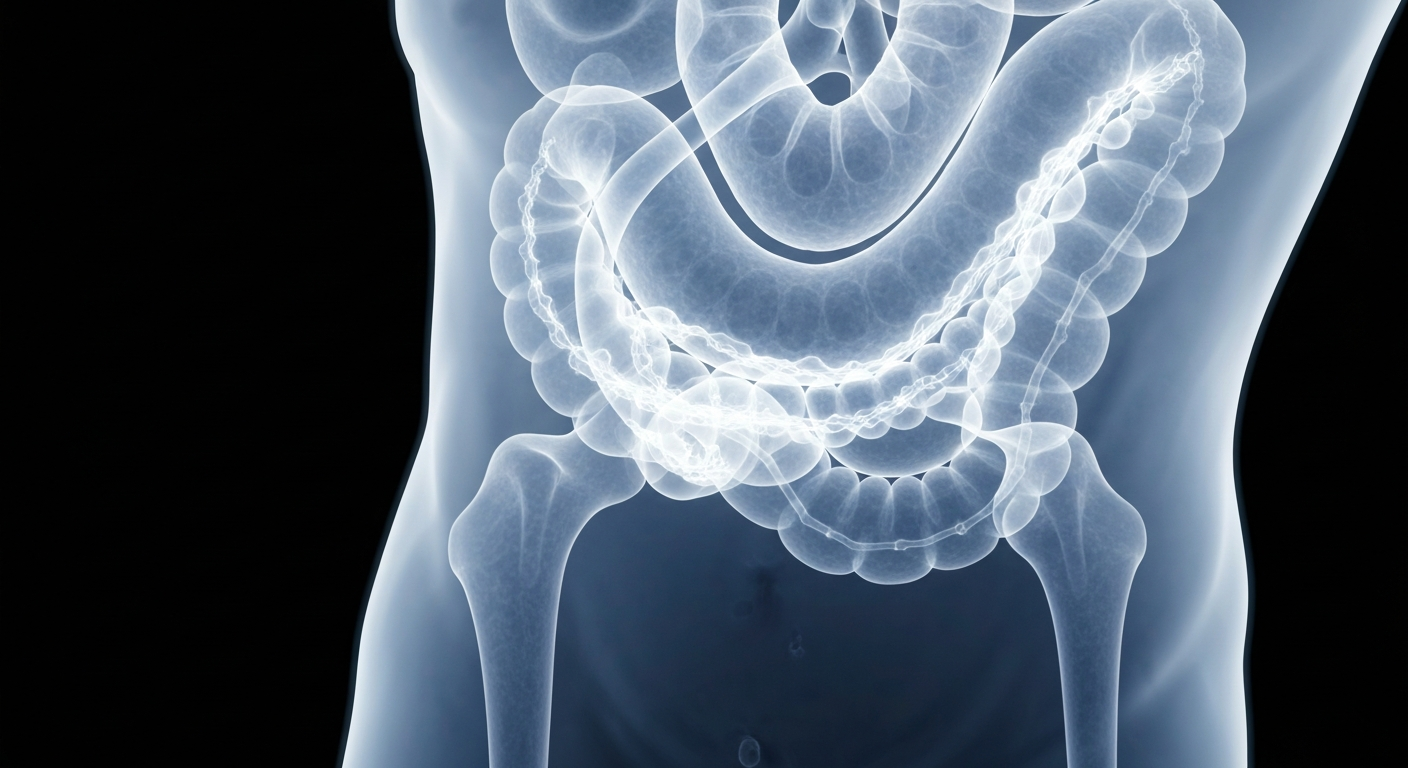 An X-ray-like view into the gut reveals how a high-fat diet can rapidly deplete critical immune cells, compromising intestinal health.Boston Today
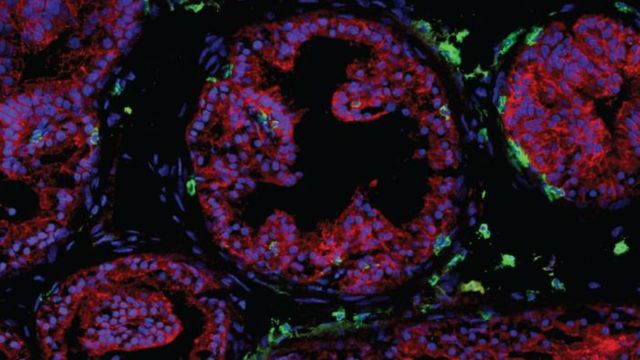
Researchers at Mass General Brigham found that even brief exposure to high-fat diets results in a rapid and selective depletion of group 3 innate lymphoid cells (ILC3s) in the gut. This loss of ILC3s, which play a key role in maintaining intestinal barrier function, promotes inflammation and intestinal permeability, potentially contributing to a range of chronic diseases linked to diet and gut health.
Why it matters
Chronic conditions like obesity, inflammatory bowel disease, and colorectal cancer are closely tied to diet and gut inflammation, but the immediate immune impacts of dietary changes have been poorly understood. This study provides new insights into how high-fat diets can rapidly disrupt critical gut immune defenses, revealing a potential early driver of diet-related diseases.
The details
The researchers combined mouse models and human intestinal samples to show that short-term exposure to a high-fat diet selectively depletes ILC3s, a key immune cell population that helps maintain gut barrier integrity. This depletion is driven by microbiota-induced inflammatory signals that disrupt the cells’ ability to process lipids, leading to mitochondrial dysfunction and cell death. In contrast, closely related Th17 cells remain largely unaffected. The loss of ILC3s and their protective IL-22 production promotes intestinal permeability and inflammation.
The study was published in the journal Immunity on April 7, 2026.
The players
Selma Boulenouar
The senior author of the study and a researcher at the Mass General Brigham Neuroscience Institute.
Eva C. Torrico
A lead author of the study with equal contribution, from Mass General Brigham.
Paulien Kaptein
A lead author of the study with equal contribution, from Mass General Brigham.
Fatiha Laalouhmi
A lead author of the study with equal contribution, from Mass General Brigham.
Mass General Brigham
The research institution where the study was conducted.
Got photos? Submit your photos here. ›
What they’re saying
“We were particularly surprised by the speed and specificity of the response. ILC3s are seeded early in life and are typically considered resilient cells. Observing their rapid depletion within days of dietary exposure was unexpected.”
— Selma Boulenouar, Senior author, Mass General Brigham Neuroscience Institute
What’s next
The researchers plan to further investigate the reversibility of the ILC3 depletion with dietary changes, as well as explore potential therapeutic targets related to immune metabolism.
The takeaway
This study highlights the immediate and detrimental impact that high-fat diets can have on critical gut immune defenses, providing new insights into how dietary changes may contribute to the development of chronic diseases linked to gut inflammation and barrier dysfunction.