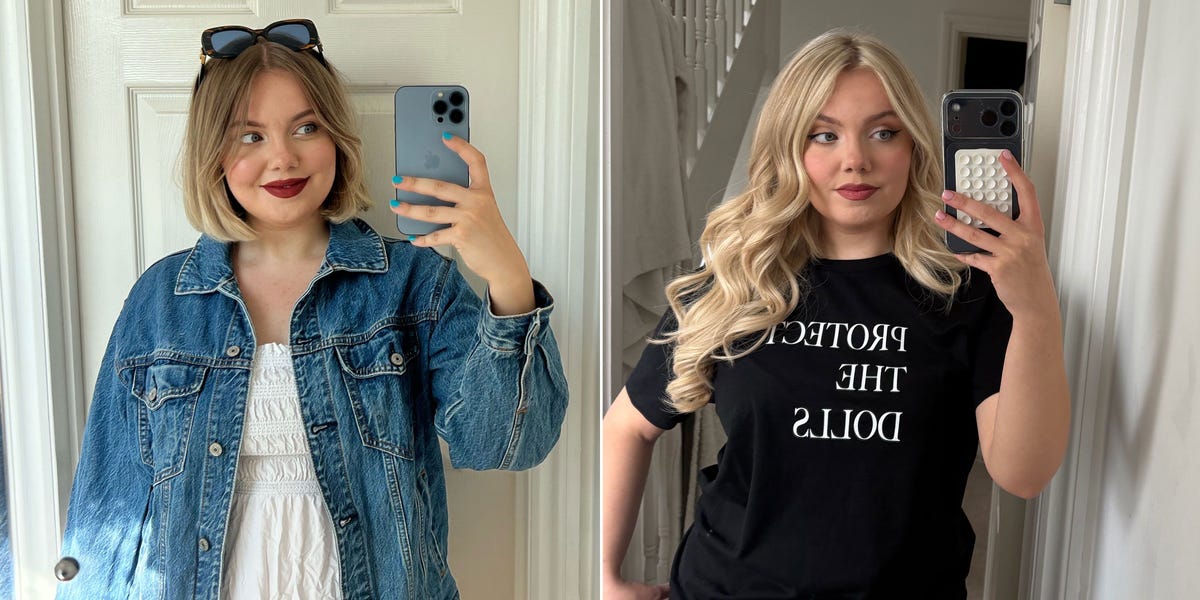
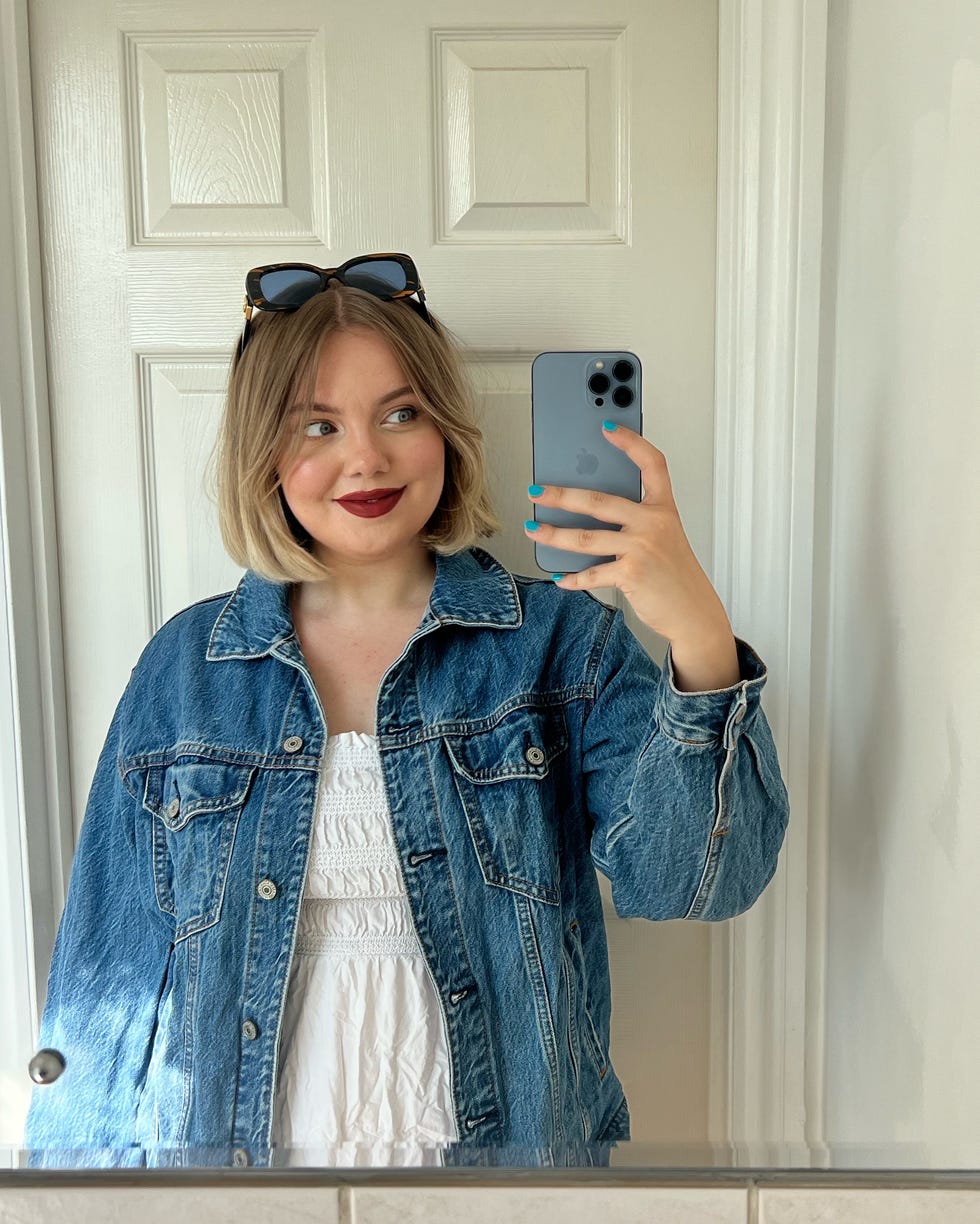
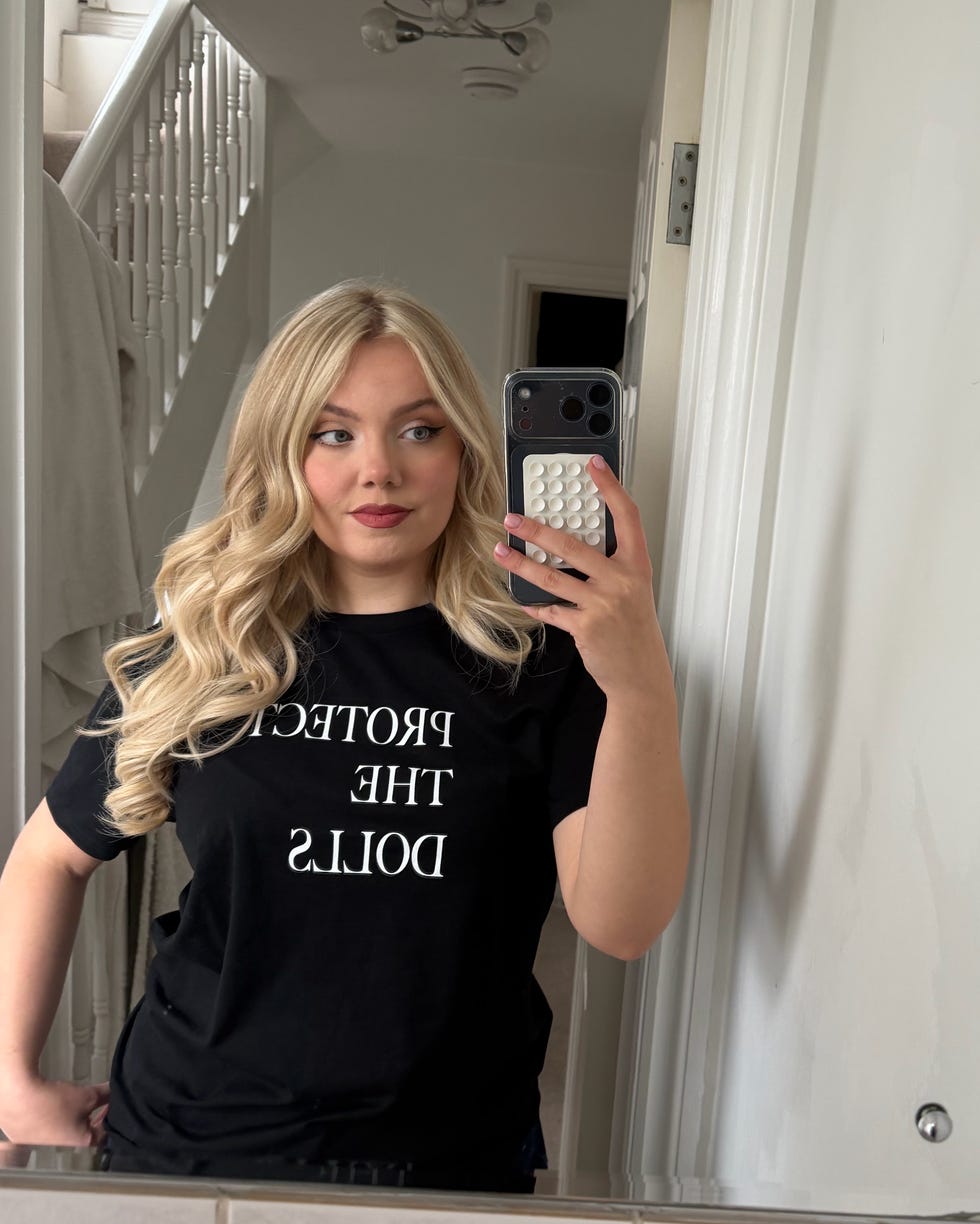
Weeks ahead of my hair appointment, a gut feeling set in that life as I knew it was about to change. Now, I know how shallow and fickle that sounds, especially in the wider context of the world right now. The idea that, with a few foils and a stranger’s hair glued onto my head (perhaps a less glamorous description of hair extensions, and one that certainly makes the stomach turn, but true nonetheless), my experience of moving through the world would shift entirely seems ridiculous, not to mention totally self-indulgent. The switch from a mousy brown bob to long butter blonde lengths is hardly a reinvention of the beauty wheel.
In my defence, my anticipation wasn’t that the world around me would become different, per se. I have the same job, the same friends, the same home address. The external factors have remained exactly as they were pre-transformation. What I expected to change was the way the world saw me and how it responded to me – and, turns out, my intuition couldn’t have been more right.
In the first week, I noticed a dramatic shift in my interactions with men – both those I knew and those I didn’t. Even something as simple as crossing the road changed. I went from watching Fiats and Audis alike pass me by, waiting for a gap in the traffic to scurry across, to having vehicles grind to a swift halt to allow me safe passage. Strangers who, in the weeks prior, would have blurred past me without a second thought, now seemed to smile as they strolled by.
The idea of such a dramatic and immediate shift may sound preposterous, but my experience wasn’t rooted entirely in vanity. I wasn’t imagining it. Stereotypes around hair colour can be dated all the way back to ancient civilisations.
‘Hair is such an integral part of how we view people that we’ve always held stereotypes about what various colours mean,’ says hair historian Rachael Gibson. ‘What these stereotypes are, and what they suggest to others, relies enormously on where in the world you are, the size and diversity of your community, and how widespread the colour in question is.’
‘I noticed a dramatic shift in my interactions with men’
She tells me that in the UK and the US specifically, blondes were historically considered representative of innocence and youth. ‘This helped to retain the idea of the girl-next-door and a general sense of purity,’ she says. ‘It changed to something more sexual around the start of the 20th century, and revs up through the early years of cinema. Jean Harlow in the 1930s was the first person to be referred to as a platinum blonde, and did much of the work in cementing the stereotype of a bawdy, sexually confident, hard-edged woman through the roles she was given.’
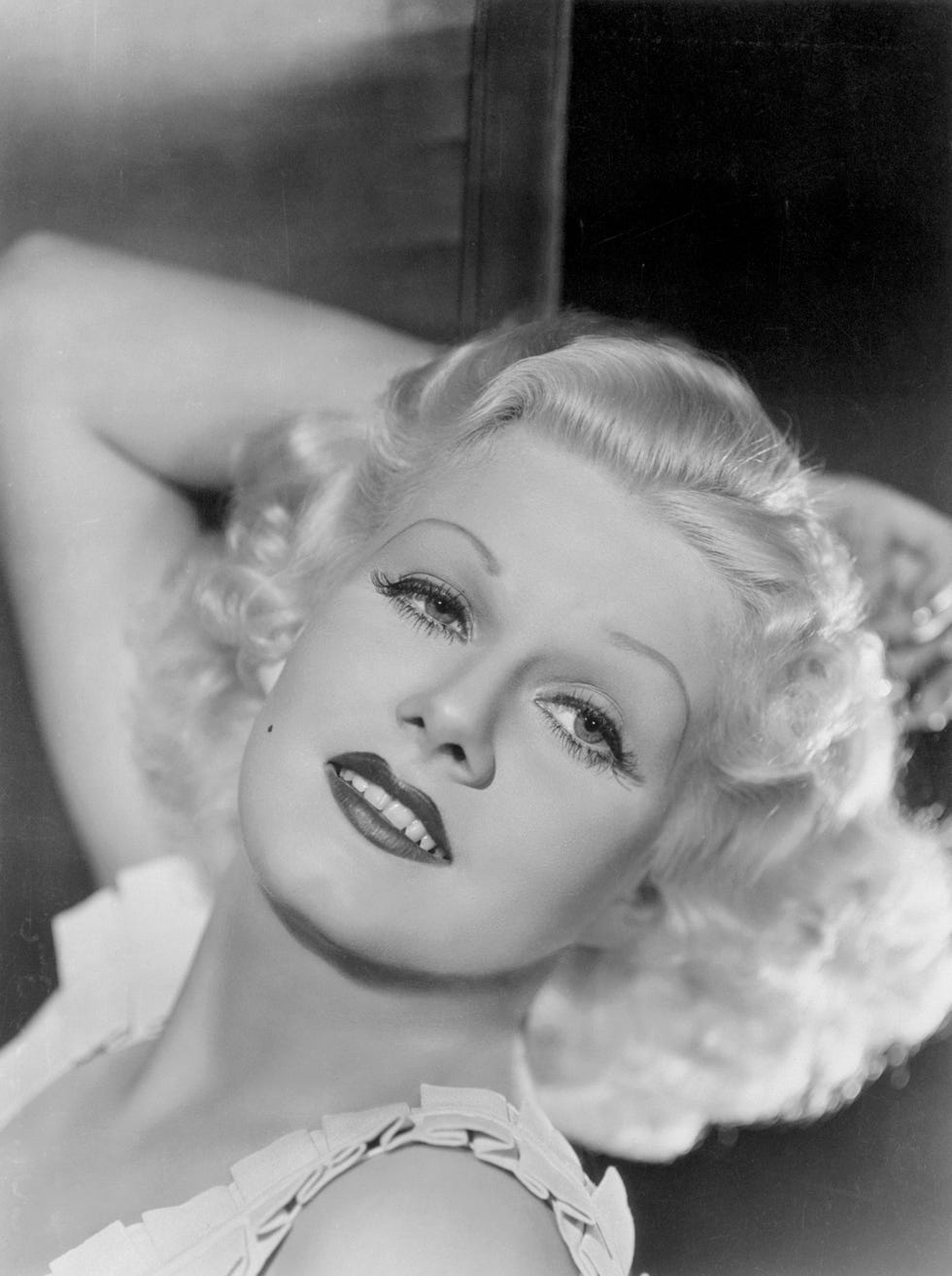
Bettmann//Getty Images
Unsurprisingly, Marilyn Monroe also catalysed the blonde trajectory into the 1950s. ‘Heavily inspired by her hero, Jean Harlow, Monroe was interpreted more as the ditzy, fun, voluptuous blonde – again, more through her film roles than her personality. Hair colouring became generally more acceptable for women in the 1950s, after being pretty taboo and not something ‘nice’ women did.’
I can’t hear the word ‘ditzy’ without recoiling. The stereotype felt like an immediate trade-off for the more favourable (though undeniably shallow and objectifying) elements of my newfound place in the male psyche. Over-explanations in conversations with friends I’d spoken to countless times, and who were well aware of my first-class journalism degree, have never been more rife. The sense that assumptions were being made about my intelligence and sexuality was an undeniably hard pill to swallow – but one that many other women have faced over time and still face today.
‘I can’t hear the word “ditzy” without recoiling’
For example, Tina, a 28-year-old make-up artist based in London, shares how explicitly the world has responded to her move towards a more alternative style. ‘I’m constantly changing my hair, and the way that I’m treated mirrors it completely,’ she says. ‘The more natural my hair colour is, the more seriously I’m taken – and I’m able to charge better rates when I work. When I had a shaved head, I noticed that the world treated me differently; removing that traditionally feminine aspect of my appearance seemed to make people less kind.’
Currently she has a Chelsea cut (a bold, 1980s-inspired punk hairstyle featuring shaved back and sides, contrasted with longer fringe). ‘From the front, people might not notice my hairstyle, but when they see it from the back, their demeanour often changes,’ she says. ‘In general, it’s easier to interact with people, and the world tends to be kinder, if you have a more natural hairstyle.’ On the flip side, she explains that her more divisive haircut has helped her find her tribe within the alternative community, allowing her to bond with others through the power of a bold, statement look.
Brighton-based TV production assistant Ella, 26, describes her experience with a similar sentiment. ‘When I had black, or even green hair, people would assume that I had a lot more edge, and that I was more alternative, than was true. When my hair was red, people seemed to expect more confidence and spontaneity from me. An ex-boyfriend would always try to dissuade me from dyeing my hair dark, I think because it made me look more assertive and intimidating.’
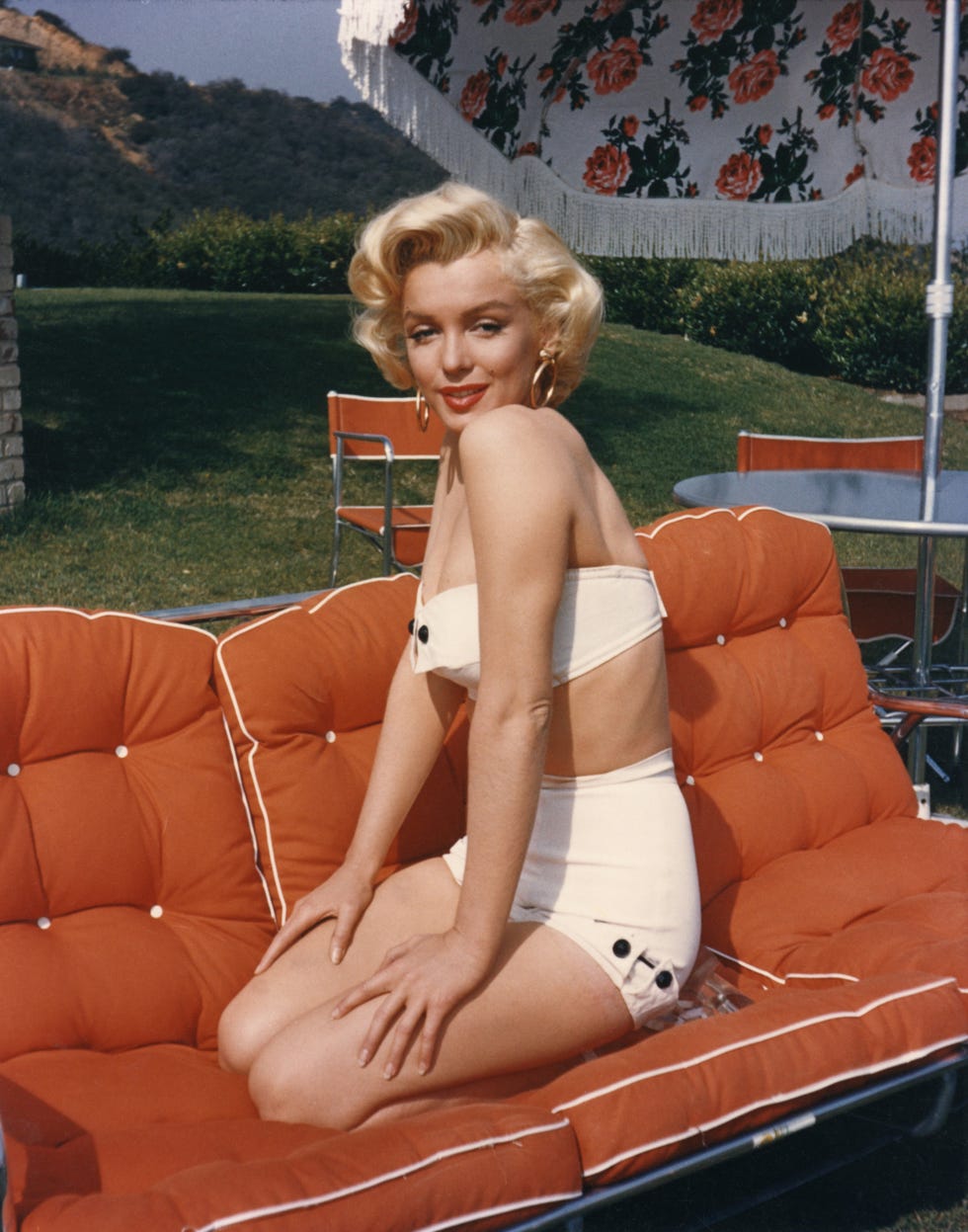
Michael Ochs Archives//Getty Images
With the anticipation of how my life might change following my switch to blonde, it would be hard for me to say I stepped into my blonde alter ego unknowingly. In many ways, it could be considered a conscious choice.
‘Changing our hair can feel more than a style decision. It can be a way of stepping into a different version of ourselves, reclaiming part of identity or letting go and freeing ourselves of expectations we have internalised over time,’ says psychotherapist Nino Sopromadze. ‘It can be empowering in ways that it allows reclaiming of authorship over how we are seen. Or, it can be disorientating, where the familiar image of the self is no longer recognised in the mirror.’
‘Changing our hair can be a way of stepping into a different version of ourselves’
She explains that how we experience being seen also impacts our understanding and outlook on the world around us. It’s a vicious cycle of experience and projection. ‘Our perception of others’ reactions is also not neutral but filtered through our own expectations, past experiences and sensitivities,’ she says. ‘It is not just external but relational. It is the interplay between how others see us and how we imagine ourselves in the gaze.’
In turn, that experience can either allow us to feel more confident or empowered, or it can make us more self-conscious and objectified.
Monica Schipper//Getty Images
As Gibson points out, your experience of hair colour is heavily shaped by your pre-existing prejudices, lived experiences, location and community. As such, I can’t reflect on my experience of blondeness without acknowledging the wider associations that exist – and that, in recent times, have become even more prevalent.
‘Our relationship with blonde is fraught with racial politics and ideas around Eurocentric beauty standards, and I think it’s always worth interrogating what might be happening, consciously or otherwise, in the quest for blondeness that so many people undertake,’ says Gibson.
For non-white people, interpretations of a blonde colour change can be entirely different too – often viewed as ironic, camp, or challenging, rather than reflecting the assumptions I have experienced as a white woman. ‘When certain traits are repeatedly projected onto us based on appearance, it can be difficult not to internalise them,’ says Sopromadze. ‘Over time, people may find themselves navigating the world through those labels, either leaning into them or pushing against them.’
Eric Ford//Getty Images
She explains that the way we are received and how we anticipate being received can influence how freely we express ourselves or the spaces we feel welcomed in. ‘It can either signal belonging or risk us feeling othered,’ she says. ‘This can shape not just behaviour but identity, narrowing or expanding who we feel able to be.’
Whether viewed as subjectively unsettling or objectively trivial, there is no doubt that my new hair colour has directly impacted my lived experience today. It serves as a subtle example of how pre-existing stereotypes and long-standing ideals of beauty continue to shape perceptions of strangers, friends, and even ourselves. Hair colour, length and style can be utilised, and even weaponised – whether for personal transformation or through depictions in media, and it is important to challenge these biases and examine where they stem from.
So, while being blonde has certainly marked a new chapter in my life, the fresh page eerily feels ripped from many a book that came before me.
ELLE Collective is a community of fashion, beauty and culture lovers. For access to exclusive content, events, inspiring advice from our Editors and industry experts, as well as the opportunity to meet designers, thought-leaders and stylists, become a member today HERE.
Related Stories