 11 min read
Have you noticed changes in your energy, mood, sleep, or digestion lately? You’re not alone. These shifts often happen as you move through perimenopause, the stage leading up to menopause. During this time, hormone levels start to fluctuate, which can affect everything from bone strength to heart health. That’s why nutrition matters.
“Whole foods are always the first line. Supplements can help fill gaps, but they don’t replace the synergy of nutrients found in real food,” says Sayuri Barritt, RD, CD, a registered dietitian who supports women in midlife.
Certain nutrients, plant compounds, and other bioactive foods can help your body stay strong and support things like energy, mental clarity, and healthy bones, especially if deficiencies are present. Here are 12 key nutrients and compounds to prioritize, along with why they matter and practical ways to include them through food or supplements when needed.
Our registered dietitians in the Good Housekeeping Institute Nutrition Lab review and evaluate every single supplement we recommend in accordance with our dietary supplement methodology. We then have a registered dietitian on our Medical Review Board review each article for scientific accuracy. A supplement should do just that: supplement the diet, not replace high-quality, nutritious food and important healthy lifestyle practices. Check with your healthcare provider before starting any dietary supplement regimen.
1. Calcium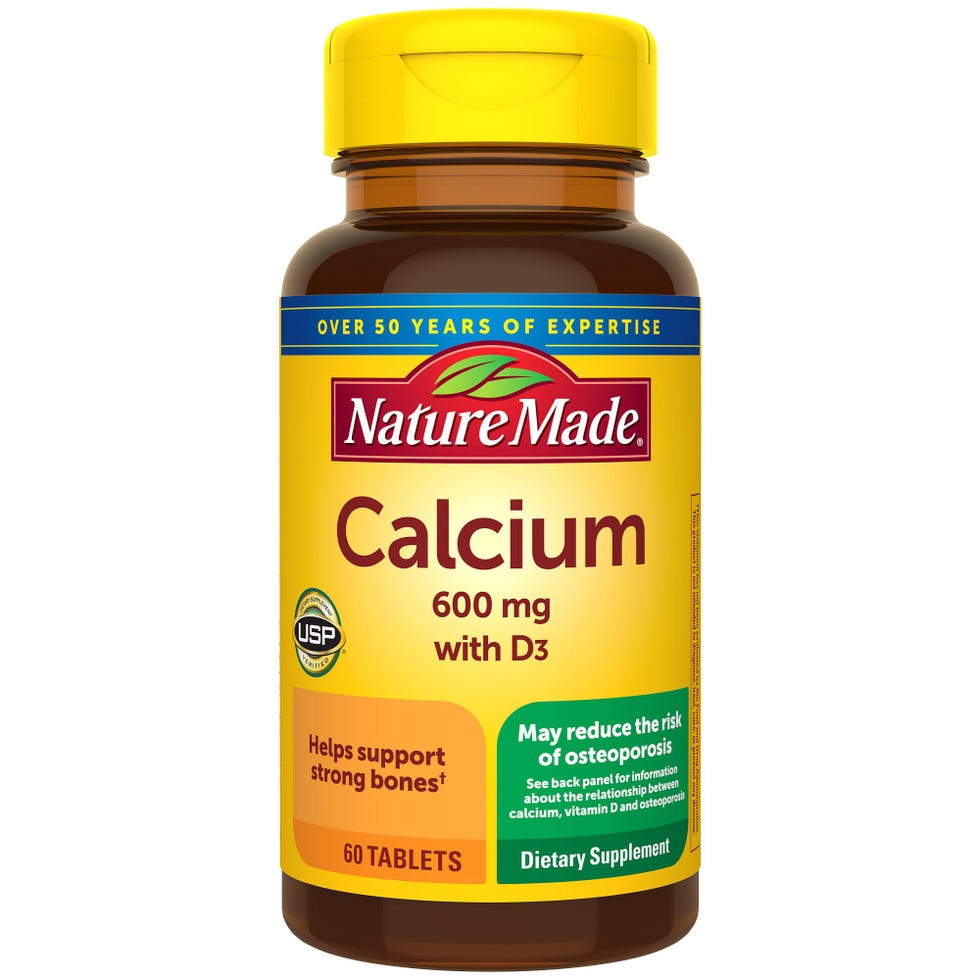
As estrogen declines, bone turnover accelerates. Estrogen plays a protective role in maintaining bone density, and when levels fluctuate and drop, bone resorption can outpace bone formation, raising the risk of osteopenia and osteoporosis.
Calcium provides the structural building blocks that keep bones strong. While it doesn’t relieve symptoms overnight, it is crucial for maintaining bone density over time.
Most adults should aim for 1,000 to 1,200 milligrams per day, preferably through food sources such as dairy, fortified plant milks, leafy greens, tofu, and sardines. Registered dietitian Jennifer Laurence, MA, RD, notes that calcium supplements can help those who fall short—especially vegans or people who avoid dairy—but high-dose supplements alone may raise the risk of calcifications in breast tissue or arteries. Food sources are preferred whenever possible. When it comes to calcium supplementation, Good Housekeeping Nutrition Director Stefani Sassos, MS, RDN, CDN, recommends choosing a complex that also contains vitamin D to support optimal absorption. She suggests looking for one that is third-party tested for purity, potency, and safety, and highlights Nature Made’s calcium and vitamin D complex, which carries USP verification.
2. Vitamin D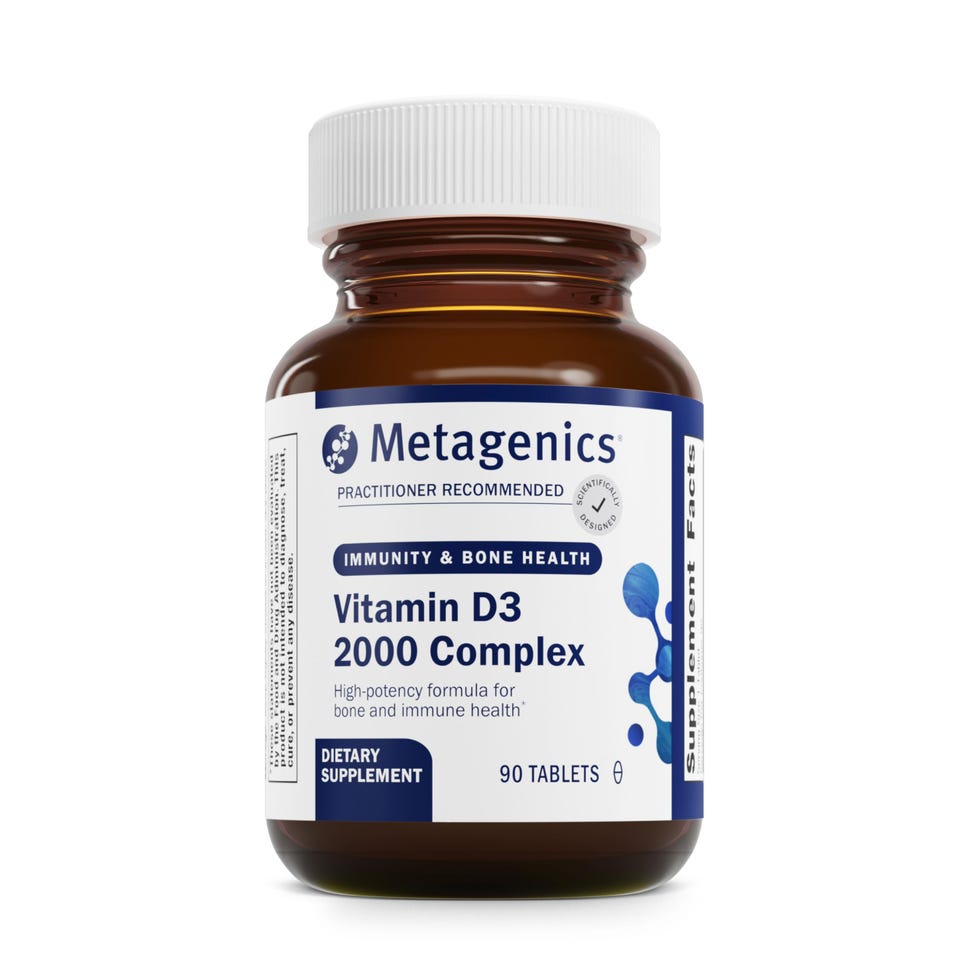
Vitamin D is a fat-soluble vitamin that acts as a hormone, helping regulate calcium levels and supporting bone remodeling. Together with calcium, it forms the most evidence-based foundation for long-term bone health. Without enough vitamin D, even adequate calcium intake may not fully protect your bones.
You can get vitamin D from fatty fish like salmon or sardines, fortified dairy or plant milks, and egg yolks. For some people, especially during perimenopause or in the winter months, supplements may be needed. Blood tests, such as 25-hydroxy vitamin D, can help guide the right dose and prevent over-supplementation, which can cause problems like high calcium levels or kidney issues.
Vitamin D also supports muscle strength, helping reduce the risk of fractures, while contributing to overall wellness, including immune function. Barritt adds that adequate intake of these nutrients can be an “important strategy for supporting both skeletal and mental health during midlife.”
3. Protein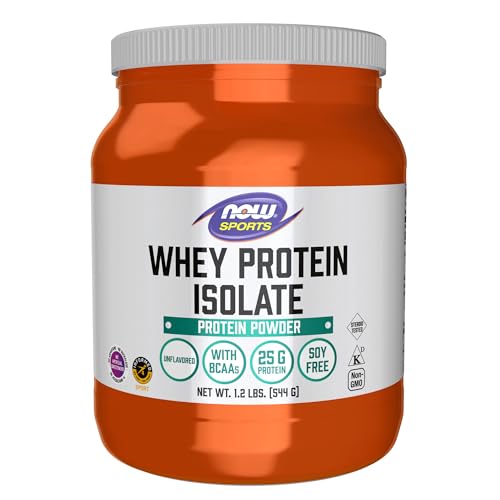
Declining estrogen contributes to a gradual loss of lean muscle mass, which lowers resting metabolic rate and affects blood sugar regulation. Protein intake becomes especially important in midlife.
Jessica Corwin, MPH, RDN, NBC-HWC, a registered dietitian specializing in midlife nutrition, calls protein a critical pillar. Adequate intake helps preserve lean mass and maintain strength. Barritt frequently sees unwanted abdominal fat gain and insulin resistance during hormonal transition. She emphasizes protein’s role in stabilizing blood sugar, promoting satiety, and supporting muscle maintenance. These combined effects improve body composition and metabolic resilience.
To get enough protein each day, experts recommend including it at every meal and making it a central part of your plate rather than an afterthought. Spreading intake throughout the day can make it easier to meet your needs without relying on one large serving. Focus on food-first sources like eggs, poultry, fish, Greek yogurt, legumes, tofu, tempeh, and lean meats. Protein powders aren’t always necessary, but they can be a convenient option for busy days.
4. Omega-3 Fatty Acids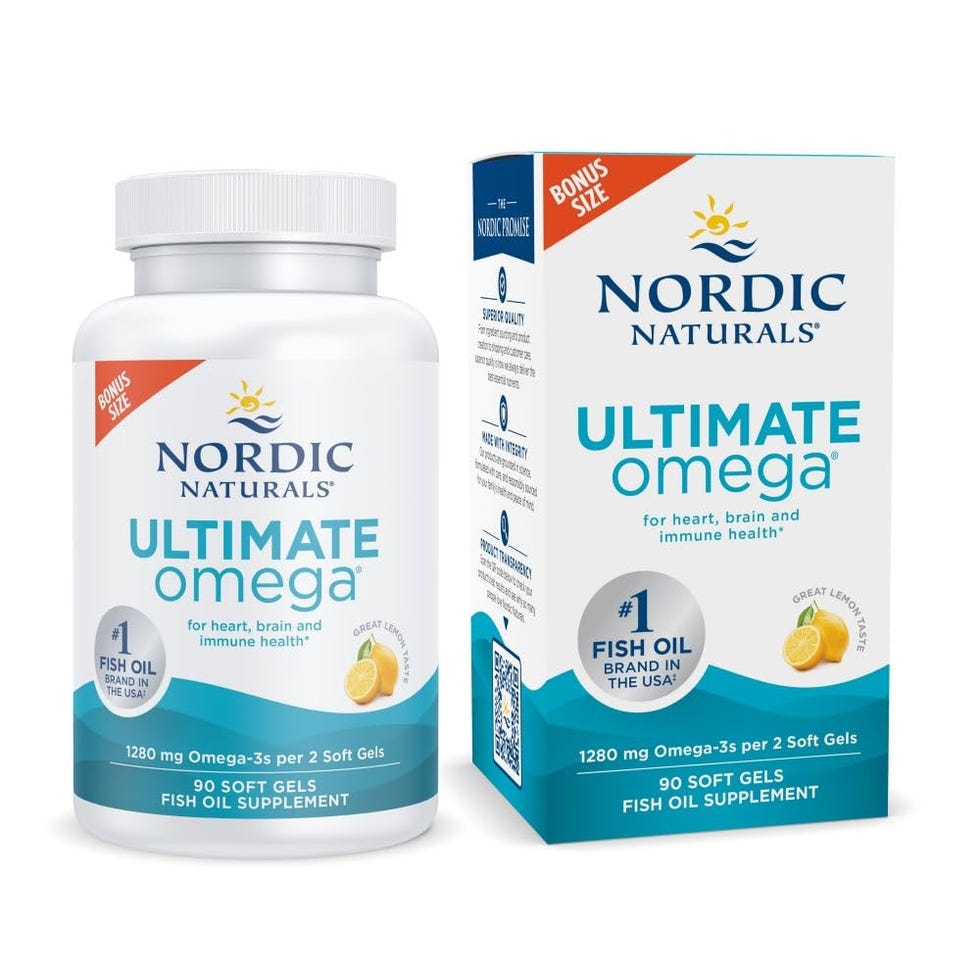
Omega-3s support cardiometabolic health, according to a 2025 meta-analysis found in Inflammopharmacology. As estrogen’s protective cardiovascular effects shift, heart health becomes increasingly important. Corwin notes that research on omega-3s for hot flashes is mixed but evolving. Omega-3s are essential fatty acids, meaning your body cannot make them on its own, so you need to get them from food or supplements. They play key roles in heart, brain, and metabolic health, as well as helping balance inflammation.
The American Heart Association recommends aiming for at least two 3.5-ounce servings of fish per week—especially fatty varieties—to help lower the risk of heart disease, stroke, and heart failure. Fatty fish like salmon, mackerel, anchovies, sardines, and herring are rich in EPA and DHA, while plant-based options such as chia seeds, flaxseeds, walnuts, hemp seeds, and basil seeds provide ALA. Getting omega-3s from food also delivers additional nutrients that support metabolic health.
5. Fiber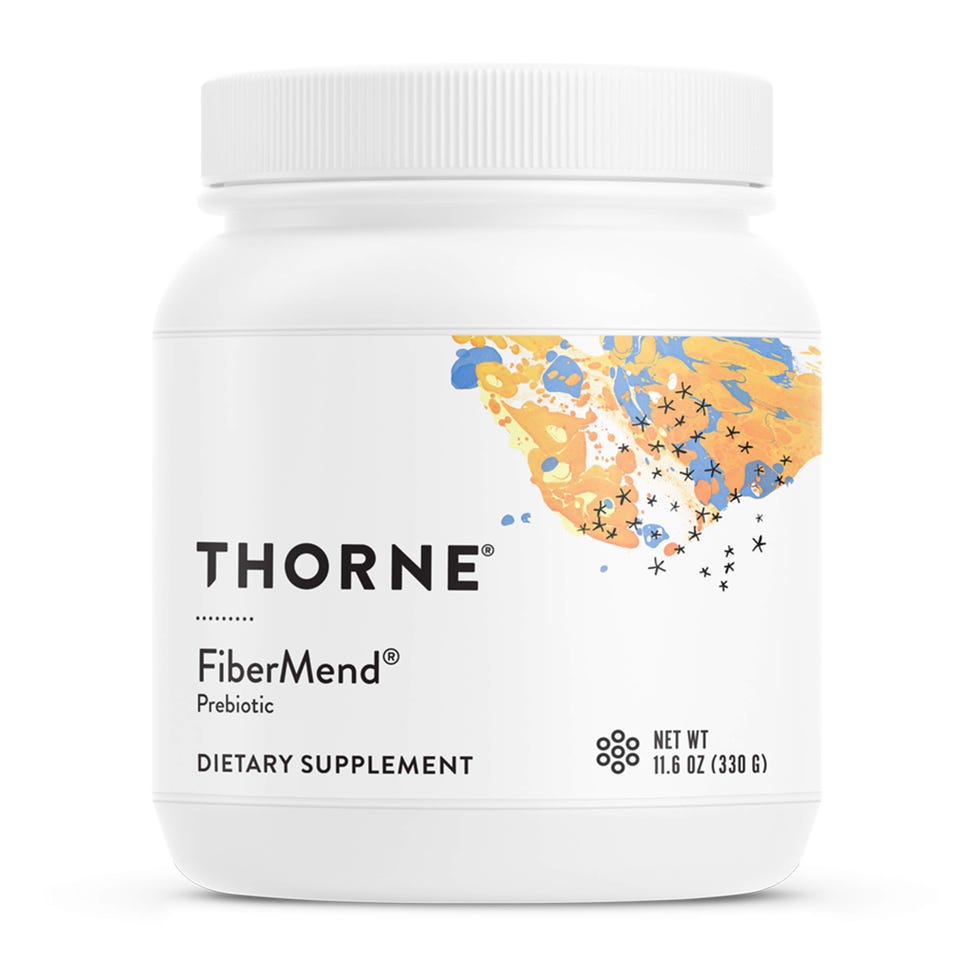
Fiber does more than just support digestion; it also helps keep blood sugar and cholesterol levels steady, which becomes especially important during perimenopause. Fiber is a type of nutrient, specifically a non-digestible carbohydrate that your body can’t break down for energy. It also supports a healthy gut, which may influence hormone balance through the gut microbiome and how hormones like estrogen are processed in the body. Some types of fiber, called prebiotics, specifically feed the beneficial bacteria in your gut, helping maintain a balanced microbiome and supporting overall digestive and metabolic health.
6. Magnesium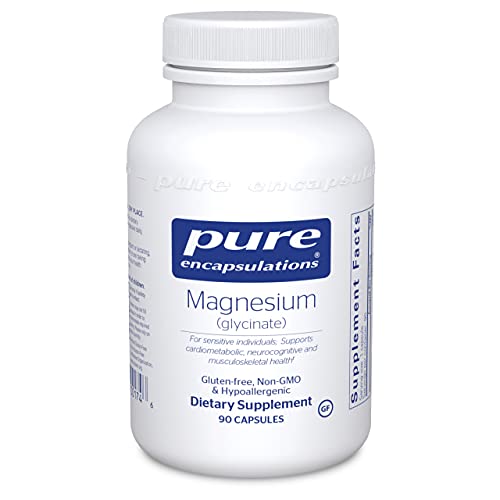
According to a research review found in the Cureus Journal of Medical Science, magnesium is an essential mineral that plays a role in more than 300 processes in the body, including muscle function, nerve signaling, and sleep regulation. Some women notice better sleep, less muscle tension, and improved digestion when their magnesium intake is adequate. Magnesium also supports bone health, heart health, and healthy blood pressure—areas that become especially important during perimenopause. While research specifically in perimenopausal women is limited, Corwin says it’s commonly used to support these symptoms. Many adults don’t get enough magnesium in their diet, so focusing on magnesium-rich foods can be especially helpful. You can find magnesium in foods like pumpkin seeds, almonds, spinach, black beans, and whole grains.
7. B Vitamins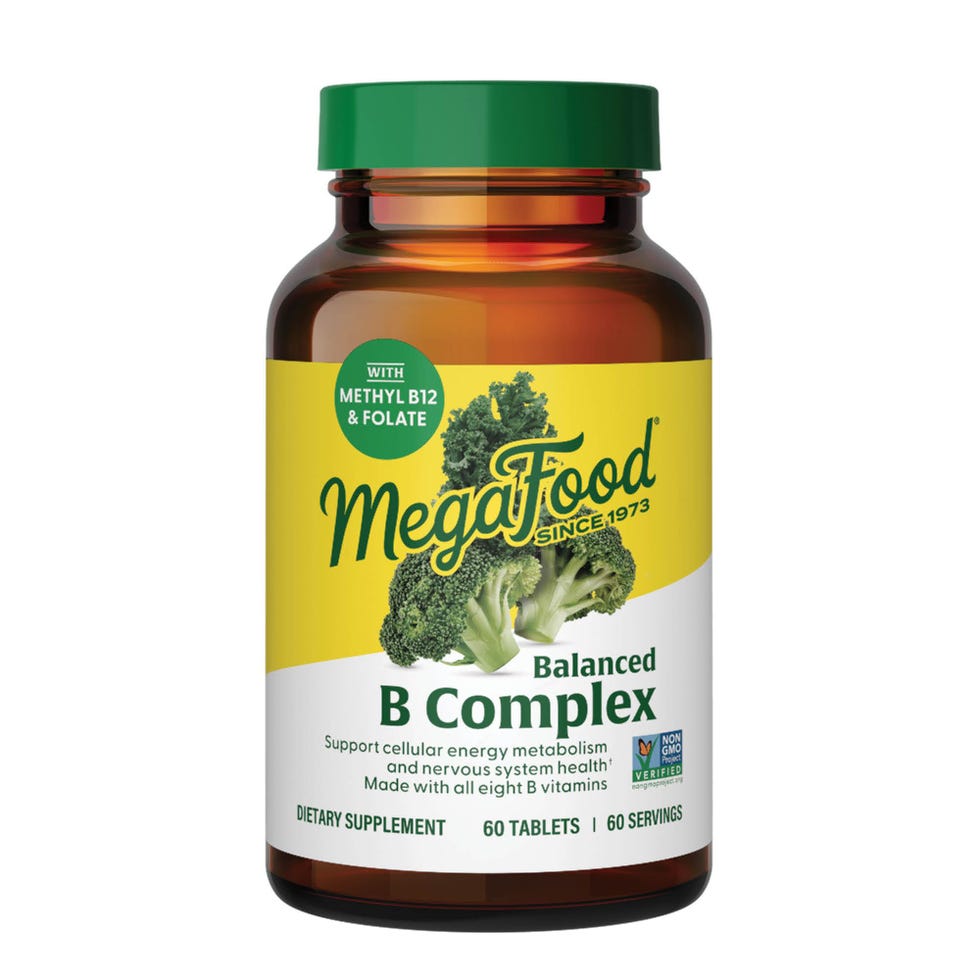
B vitamins—especially B6, B12, and folate (B9)—help your body make red blood cells, support brain function, and convert food into energy. These water-soluble nutrients need to be replenished regularly since the body doesn’t store them in large amounts. Since fatigue and brain fog are common during perimenopause, getting enough of these nutrients matters. Adequate B6, B12, and folate may also support mood and healthy nervous system function, which can be impacted during this stage.
Some women may be more prone to deficiencies, particularly those following restrictive or low-carb diets, adhering to a vegan eating pattern, dealing with gastrointestinal conditions, or experiencing heavy periods. “Perimenopausal women consuming low-carb diets as a means of weight loss may be at risk for B-vitamin deficiencies. If they are unwilling to modify their diet, a supplement may be needed to support their needs,” says Laurence. B12 absorption can also decrease with age or certain medications, making supplementation helpful for some women even if dietary intake is adequate. Food sources include leafy greens, legumes, eggs, dairy, poultry, and fortified grains.
8. Iron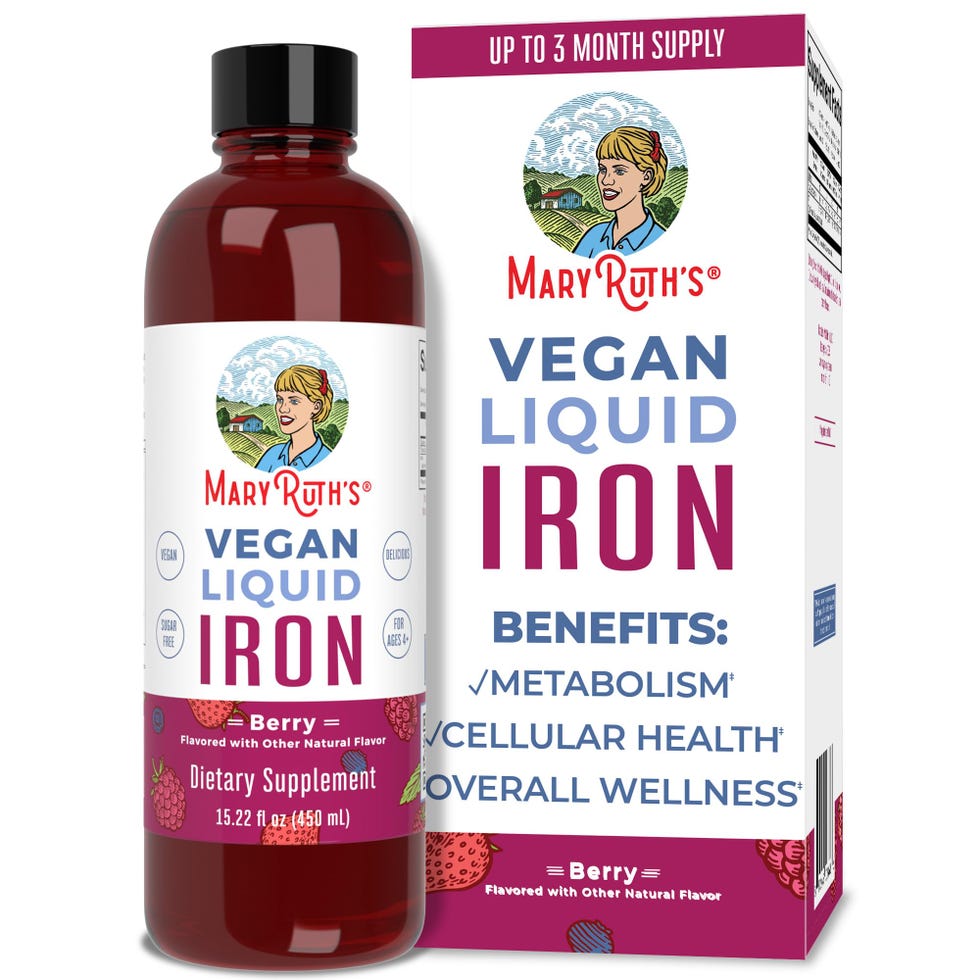
Some women may experience heavier menstrual bleeding during perimenopause, which can increase their risk of developing iron deficiency, a trace mineral essential for oxygen transport and energy production, especially if the blood loss is frequent or prolonged. Iron supports oxygen transport and energy production. Additionally, low ferritin levels (a protein that stores iron in your body and reflects your iron reserves) may contribute to fatigue, hair thinning, and reduced exercise tolerance. Testing is important because iron metabolism is complex, and needs can fluctuate during perimenopause as cycles change. Iron from plant sources (non-heme iron) is absorbed less efficiently than from animal sources (heme iron), but pairing it with vitamin C–rich foods can help absorption. Dietary sources include red meat, lentils, beans, fortified cereals, and spinach.
9. Probiotics 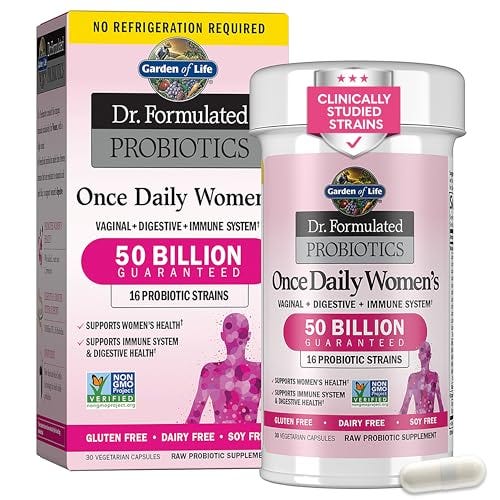
Probiotics are live microorganisms, including certain bacteria and yeast, that help support a healthy gut microbiome by maintaining the balance of gut bacteria. They aren’t nutrients but live microbes that provide health benefits. Supporting gut health during perimenopause may also help balance hormones, improve mood, support digestion, and enhance immune function. Laurence explains that probiotics may support metabolic health, fatigue, and sexual function. She often educates women about incorporating fermented foods such as yogurt, kefir, sauerkraut, and kimchi. Eating these foods regularly, rather than occasionally, helps the probiotics thrive.
Probiotic supplementation may be helpful when dietary intake is low or if a healthcare provider identifies a need, such as after antibiotics or during persistent digestive issues. Signs you might benefit include bloating, irregular bowel movements, or recurring infections. When choosing a supplement, look for clinically studied strains, sufficient live organisms (CFUs), and proper storage to maintain potency.
10. Creatine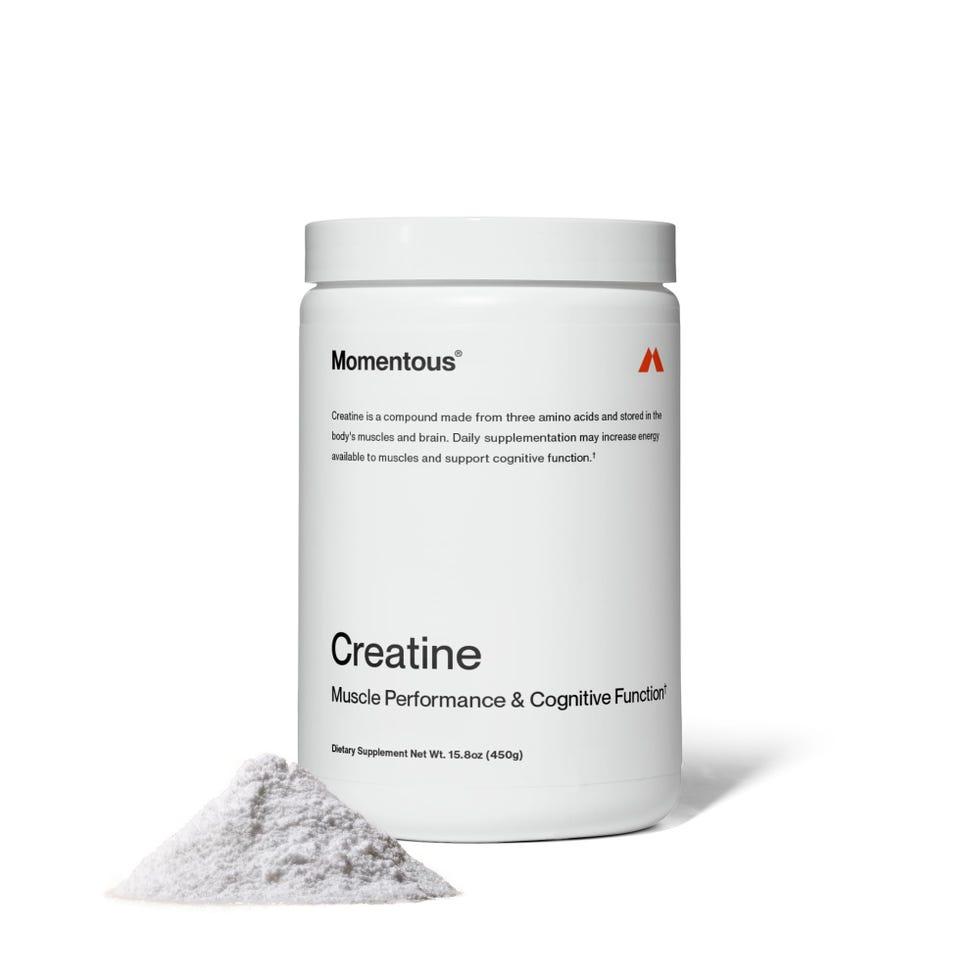
Creatine is a compound your body produces naturally and also obtains from foods such as meat, fish, and poultry. It isn’t classified as an essential nutrient, but as a dietary supplement, it’s often used to achieve higher doses that support muscle, brain, and exercise performance. Laurence notes that creatine is one of the most extensively researched supplements for muscle performance, though far less research has focused specifically on women, particularly during perimenopause and menopause.
In a small 2025 study published in the Journal of the American Nutrition Association, researchers followed 36 healthy perimenopausal and menopausal women. They observed improvements in certain clinical measures and increases in brain creatine concentrations after supplementation. Because the study was small, larger trials are still needed to confirm these findings.
When combined with consistent resistance training, creatine may improve muscle performance, support lean body composition, and help preserve muscle mass. Emerging research also suggests potential cognitive and sleep benefits, though more sex-specific data is needed. Overall, dosing, long-term effects, and creatine’s role in perimenopausal women require further study.
11. Soy Isoflavones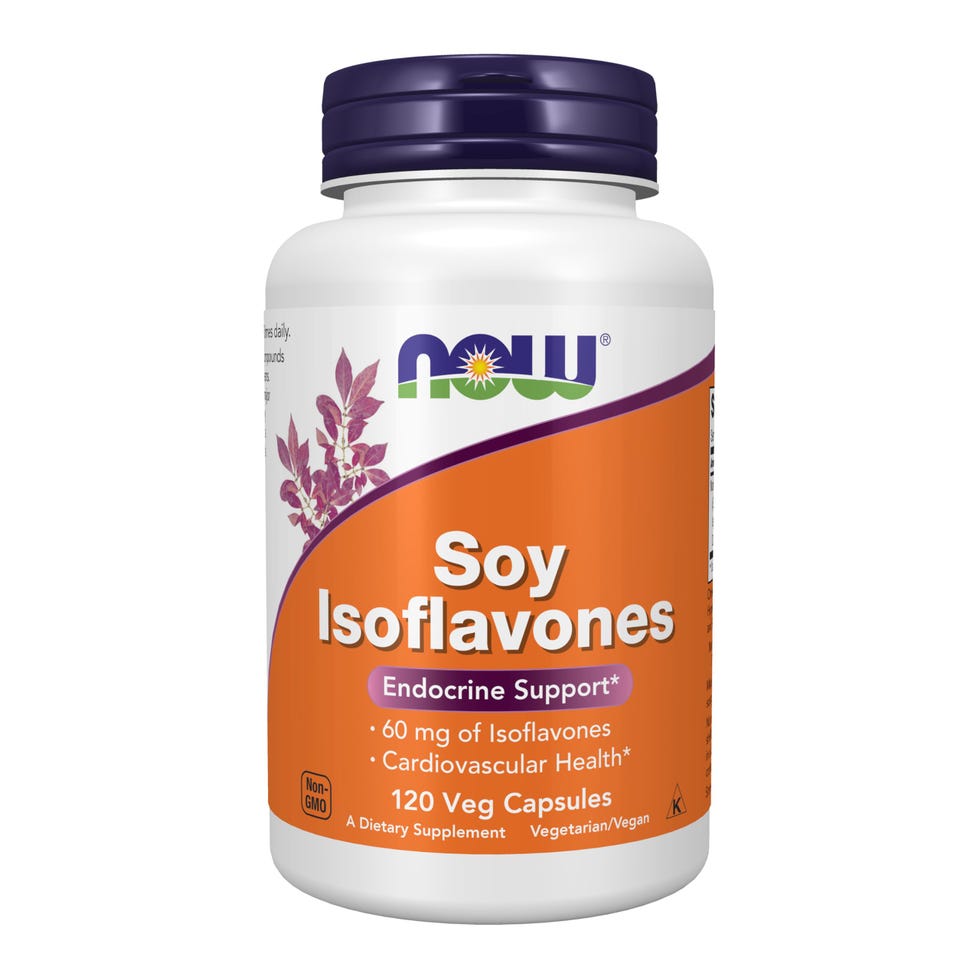
Soy isoflavones are phytoestrogens, plant-based compounds that weakly bind to estrogen receptors in the body. They aren’t considered nutrients, but rather bioactive compounds that can influence hormone activity. “Soy isoflavones are commonly discussed for hot flashes, and while some women notice improvement, results vary widely. I always encourage women to go in with low expectations,” says Corwin. Whole soy foods such as tofu, tempeh, edamame, and soy milk provide isoflavones along with protein and fiber, making them a nutritious choice even if symptom relief is modest.
In 2021, a study in Menopause found that women eating a soy-rich, plant-based diet cut moderate-to-severe hot flashes from nearly five per day to fewer than one. Experts note that moderate intake, around one to two servings of whole soy foods daily, is generally safe. Women with estrogen-sensitive cancers, thyroid conditions, or soy allergies should check with a healthcare provider before adding soy. Though some supplements may be helpful, they can carry more risk than whole foods especially at high doses, where they may lead to side effects, nutrient imbalances, or medication interactions.
12. Collagen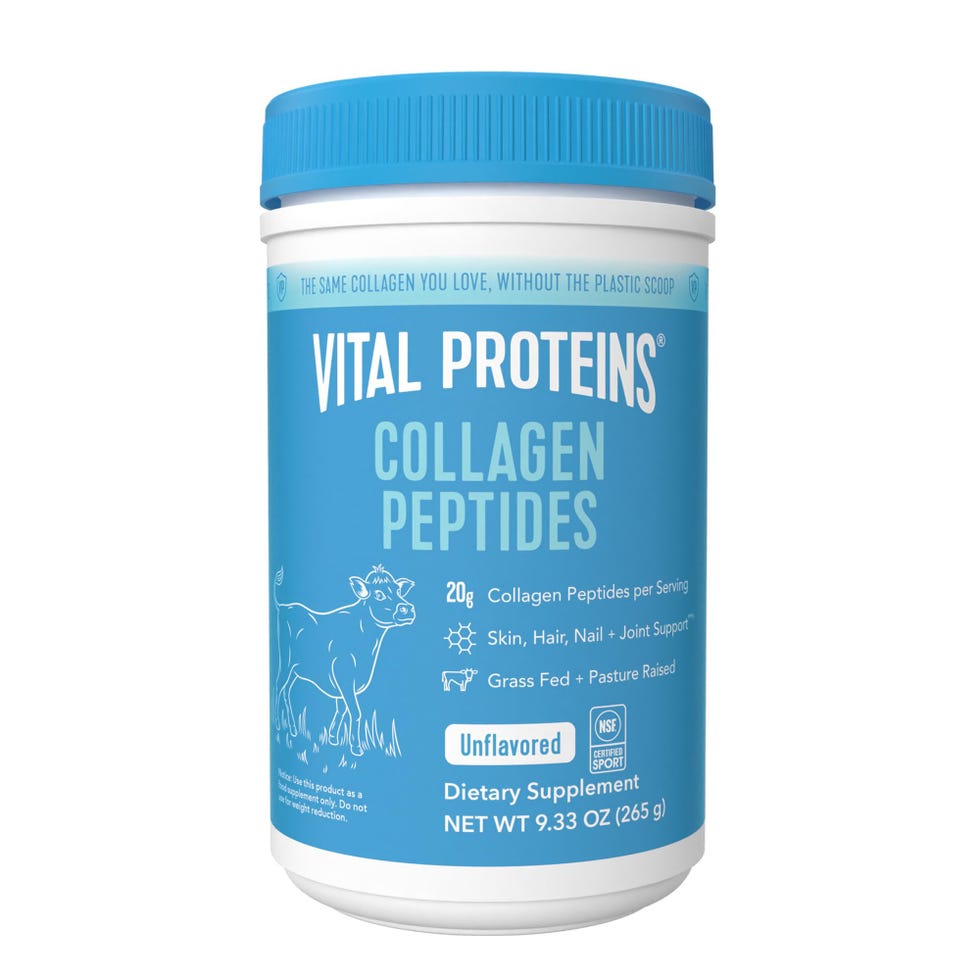
Your skin, joints, bones, and connective tissue rely on structural proteins to stay strong and resilient. Collagen is one of these key proteins. While it’s not a vitamin or mineral, your body can produce it naturally if it has the right building blocks, such as protein and vitamin C. As we age, natural collagen production slows down, but getting enough protein from your diet helps your body keep making its own. Foods like bone broth, poultry skin, fish, and vitamin C-rich fruits and vegetables can support this process, since vitamin C is key for collagen production.
Some research suggests collagen supplements might give modest benefits for skin elasticity and joint comfort, but results can vary and tend to be subtle. The most reliable way to support your skin, joints, and muscles is by prioritizing overall protein and nutrient intake, especially during perimenopause when declining estrogen can speed up collagen loss. Collagen production actually starts dropping in your mid-to-late 20s, and during perimenopause, that decline can feel more noticeable in your skin and connective tissue.
Do I need supplements for all these nutrients?
Not always. If you’re eating a balanced diet, you may already be getting what you need. But supplements can be helpful if you’re not getting enough from food, follow a restrictive diet, or your healthcare provider spots a deficiency. And remember, safety matters–some supplements can interact with medications or other products you’re taking, so it’s always a good idea to check with your provider before starting anything.
How do I know if I’m deficient?
It can be tricky to tell on your own. Fatigue, brain fog, or hair thinning might hint at low B vitamins or iron, while weak muscles could mean you’re low on protein or magnesium. The best approach is to work with your healthcare provider; they can run blood tests or other checks to see what you’re actually missing and guide you on the safest way to fill those gaps.
How do I choose high-quality supplements if I need them?
Supplements aren’t all created equal. Some can have less of the ingredient you need, or even extra ingredients that might interact with medications. Look for products verified by trusted third parties, such as USP, NSF, or ConsumerLab, which test for quality, potency, and safety. And again, it’s smart to talk with your healthcare provider before starting anything new.
Why trust Good Housekeeping?
Valerie Agyeman is a registered dietitian specializing in women’s health with over 10 years of experience in clinical nutrition, corporate wellness, and nutrition communications. She contributes to food and supplement testing at the Good Housekeeping Institute Nutrition & Fitness Lab and has covered topics including gut health, vitamin D, and skin health.
Stefani Sassos is the director of the Good Housekeeping Institute Nutrition & Fitness Lab where she handles all nutrition-related content, product testing, and evaluation. She oversees supplement testing and analysis for Good Housekeeping and has covered other supplements in the past including multivitamins, vitamin D, and joint supplements.
For this piece, we consulted experts in women’s health to provide trusted, practical guidance:
Sayuri Barritt, RD, CD, is the owner of Forty Love Nutrition LLC in Seattle, WA, specializing in supporting women in midlife to improve metabolic health, hormone balance, and gut function. She helps clients transform body insecurities into strength and energy through evidence-based nutrition education and personalized counseling.Jessica Corwin is a registered dietitian nutritionist, a National Board Certified Health and Wellness Coach, and holds a Master’s in Public Health, with 20 years of experience spanning community health, culinary nutrition, and lifestyle medicine. She specializes in midlife nutrition, translating evidence-based research into practical guidance for women navigating perimenopause and menopause through her practice, Eat. Grow. Live.Jennifer Laurence is a registered dietitian and licensed nutritionist with a master’s in Nutrition Education, specializing in integrative and functional medical nutrition therapy for women in midlife. She helps women navigate unwanted weight gain, fatigue, and other metabolic changes during perimenopause and menopause through personalized, sustainable nutrition and lifestyle strategies.
Rachel Lustgarten (she/her), M.S., R.D., C.D.N., is a registered dietitian in clinical practice in New York City. Her primary area of focus is medical nutrition therapy and weight control. Rachel’s passion is sharing her knowledge and expertise of food and nutrition’s role in overall health and wellness. She co-hosts the weekly “Primary Care Medicine” show on SiriusXM Doctor Radio, interviewing expert guests and fielding listener calls and questions about hot topics in health and nutrition. She served as a clinical dietitian at the Comprehensive Weight Control Center at Weill Cornell Medicine and served as an Advisor to the Weill Cornell’s Women’s Nutrition Connection monthly newsletter for 10 years. Rachel received a Master’s degree in Clinical Nutrition from New York University, graduating with honors.