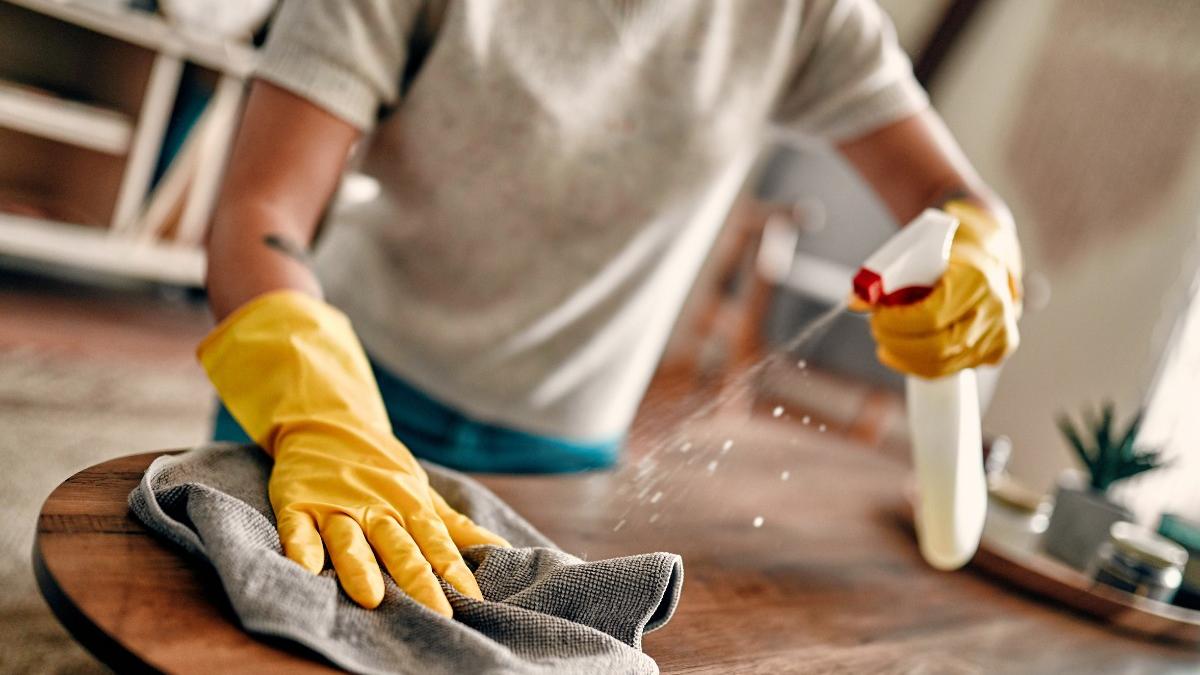
In a world where hand sanitisers sit in every bag and cleaning sprays are used almost instinctively, staying germ-free has become second nature.
While hygiene is essential, an excessive fear of germs may be quietly doing more harm than good. Experts now suggest that our growing obsession with cleanliness could be weakening our immune systems instead of protecting them.
The rise of the germ-free lifestyle
The idea of being “99.9 percent germ-free” has become a daily goal for many. Every encounter with a surface that seems even slightly unclean often leads to the immediate use of sanitiser. However, this behaviour is closely linked to what scientists call the hygiene hypothesis, which suggests that avoiding germs entirely does not necessarily prevent illness and may, in fact, reduce the body’s natural ability to fight disease.
Why some germ exposure is necessary
There are notable health concerns for both children and adults who grow up or live in overly sanitised environments. Excessive use of cleaning products can interfere with gut health, as it eliminates not only harmful bacteria but also beneficial microbes that help build immunity.
Research indicates that early exposure to microbes and even certain parasites, particularly during childhood, plays a crucial role in preventing allergies and autoimmune conditions. The immune system works like a learning process that needs timely interaction with environmental microbes to develop properly.

What research reveals
Studies covering 20 to 40 percent of the global population have explored links between microbial exposure and conditions such as anaphylaxis, food allergies, asthma, rhinitis, conjunctivitis, eczema and even reactions to insect bites. While hygiene practices do influence immune responses, researchers emphasise that early and balanced exposure to microbes is essential for long-term health.
Modern habits and their hidden impact
Contemporary lifestyles have encouraged habits that may unintentionally harm our immune systems. A noticeable rise in gut-related issues and food allergies can often be traced back to excessive sanitisation and reduced microbial exposure.
Using sanitisers and cleaning sprays too frequently should be avoided. These products are best reserved for situations where they are genuinely needed, such as when hands are visibly dirty and no water source is available. Washing hands with water remains a more effective and balanced method of cleaning whenever possible.
The role of antibiotics
Another contributing factor is the widespread use of antibiotics. Whether taken over the counter for minor illnesses or consumed indirectly through food, antibiotics can affect how the immune system functions. The extent of this impact depends on the level and frequency of exposure.
Urban vs rural immunity
In India, urban environments are often seen as cleaner and safer. However, limited exposure to natural microbes in cities may be linked to higher rates of certain diseases. In contrast, people in rural areas tend to develop stronger immune responses due to regular interaction with their natural surroundings.
When cleanliness becomes a concern
Research suggests that extreme efforts to stay germ-free can disrupt the way the immune system operates. While it is important to avoid harmful microbes, excessive use of hand sanitisers may alter the balance of gut microbiota, which plays a key role in overall health.
Being overly anxious about germs can also have psychological and physical consequences. A constant fear of contamination may increase the likelihood of autoimmune disorders, allergies and asthma. Some studies indicate that individuals with hypochondriac tendencies may even face higher risks related to both natural and external causes of death. Reassessing such behaviours and adopting a more balanced outlook can be beneficial.
Striking the right balance
Maintaining hygiene is essential, especially to prevent infections such as COVID-19. However, it is the intensity and obsession with cleanliness that can become problematic. The human body depends on millions of microorganisms for survival and long-term wellbeing. Eliminating them excessively in the name of hygiene can lead to unintended health issues.
Research also highlights the importance of maintaining a balance of good and bad bacteria in the oral cavity, similar to the gut. Overuse of mouthwashes and antibacterial products that claim to eliminate germs can disturb this balance and potentially lead to disease.
Practical tips for balanced hygiene
Adopting a sensible approach to cleanliness can help maintain both hygiene and immunity:
Choose washing hands with water whenever possible, especially before eating or touching your face, instead of relying solely on hand sanitisers.
Use mild, pet-friendly cleaning products to protect both your health and your pet’s natural microbial balance.
Adjust your hygiene habits based on environmental conditions, particularly when spending time outdoors.
Be mindful when preparing fermented foods, ensuring proper preservation methods to avoid harmful microbial growth.
Those who enjoy gardening should take precautions by using appropriate tools and maintaining proper hygiene to prevent infections from soil organisms.
Finding the middle ground
The key lies in recognising when hygiene is necessary and when it becomes excessive. A balanced approach can protect you from harmful infections while still allowing your body to build natural defences. In the long run, it is not about eliminating every germ, but about learning to live with the right ones.
Published: 07 Apr 2026, 07:13 pm IST
Subscribe to our NewsletterGet Latest Mathrubhumi Updates in EnglishFollow
Disclaimer: Kindly avoid objectionable, derogatory, unlawful and lewd comments, while responding to reports. Such comments are punishable under cyber laws. Please keep away from personal attacks. The opinions expressed here are the personal opinions of readers and not that of Mathrubhumi.